
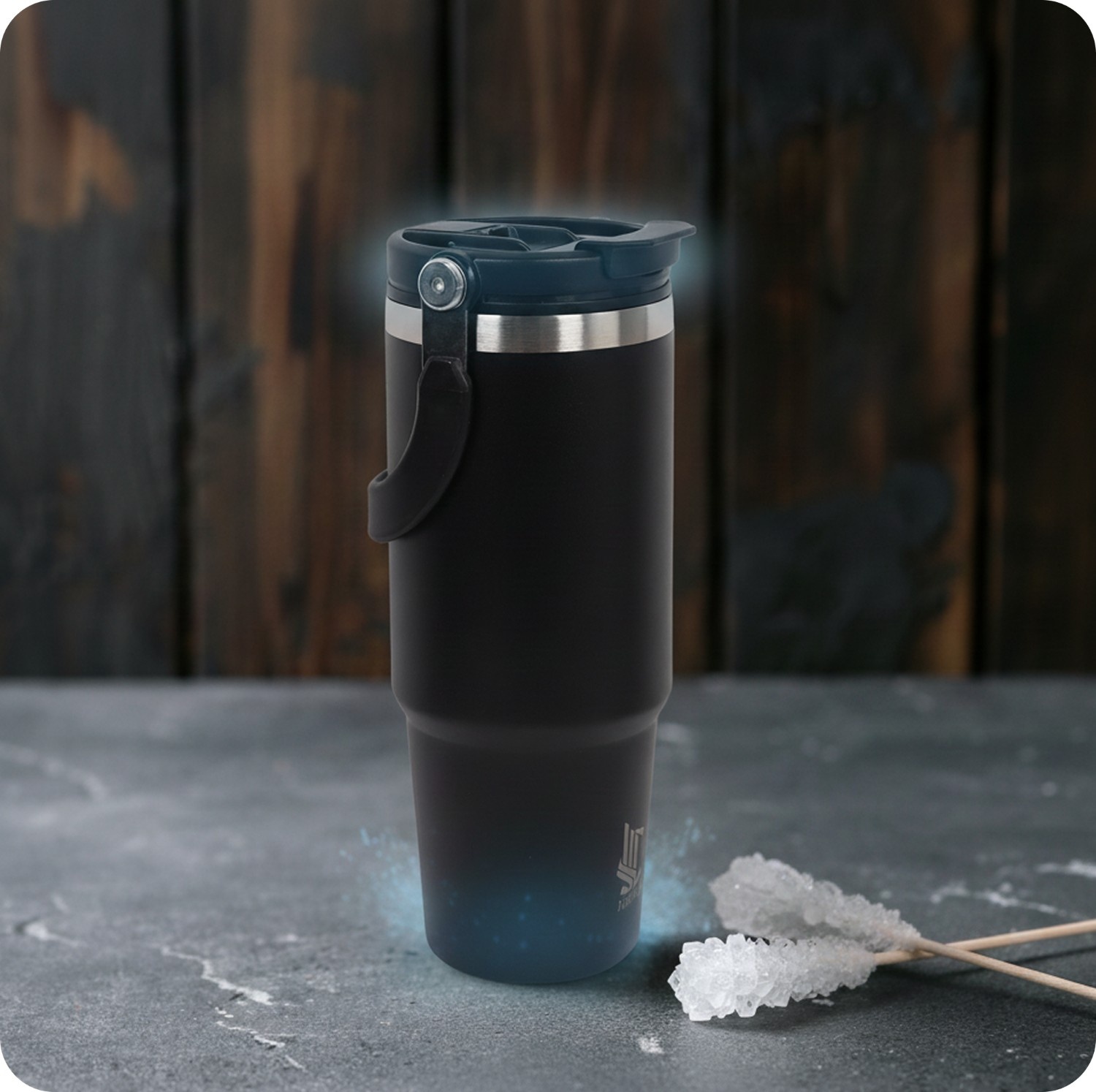
THE ULTIMATE BOTTLE SHOWDOWN:
Choosing between glass and stainless steel water bottles? Both are premium, health-conscious options—but they're designed for very different lifestyles. In the demanding environment of the UAE, where extreme heat meets active living, understanding the real-world differences between these materials isn't just preference—it's essential for making the right investment in your hydration and health.
Compare Our Collection
Glass or Stainless Steel: The Great Debate Settled
A Science-Based Analysis for UAE Residents
Both glass and stainless steel represent the top tier of bottle materials from a health and safety perspective—far superior to plastic alternatives. Neither will leach chemicals, disrupt hormones, or contaminate your water. But the similarities end there. Glass offers crystal-clear purity and zero taste transfer, while stainless steel delivers unmatched durability and superior temperature control. The real question isn't which is 'better' in absolute terms, but which is better for your specific lifestyle in the UAE's unique environment.
After analyzing thousands of user experiences, consulting with materials scientists, and conducting real-world testing in UAE conditions, we've developed a comprehensive framework to help you make the right choice. This isn't about declaring a universal winner—it's about matching the right material to your daily routine, activity level, and priorities.
If you're commuting on Sheikh Zayed Road, hitting the gym five days a week, or have children who need reliable hydration at school, your needs differ dramatically from someone who primarily uses their bottle at a home office. Let's break down exactly how glass and stainless steel perform across every dimension that matters in real life.
Health & Safety
Both materials are completely BPA-free, non-toxic, and won't leach chemicals—equally perfect for pure, clean hydration.
Durability & Longevity
Stainless steel withstands drops and impacts that would shatter glass, making it ideal for active lifestyles and travel.
Temperature Control
Insulated stainless steel maintains beverage temperature for 24+ hours, while glass offers no thermal protection.
Environmental Impact
Both are infinitely reusable and eco-friendly, though stainless steel's longevity often makes it the lifetime choice.
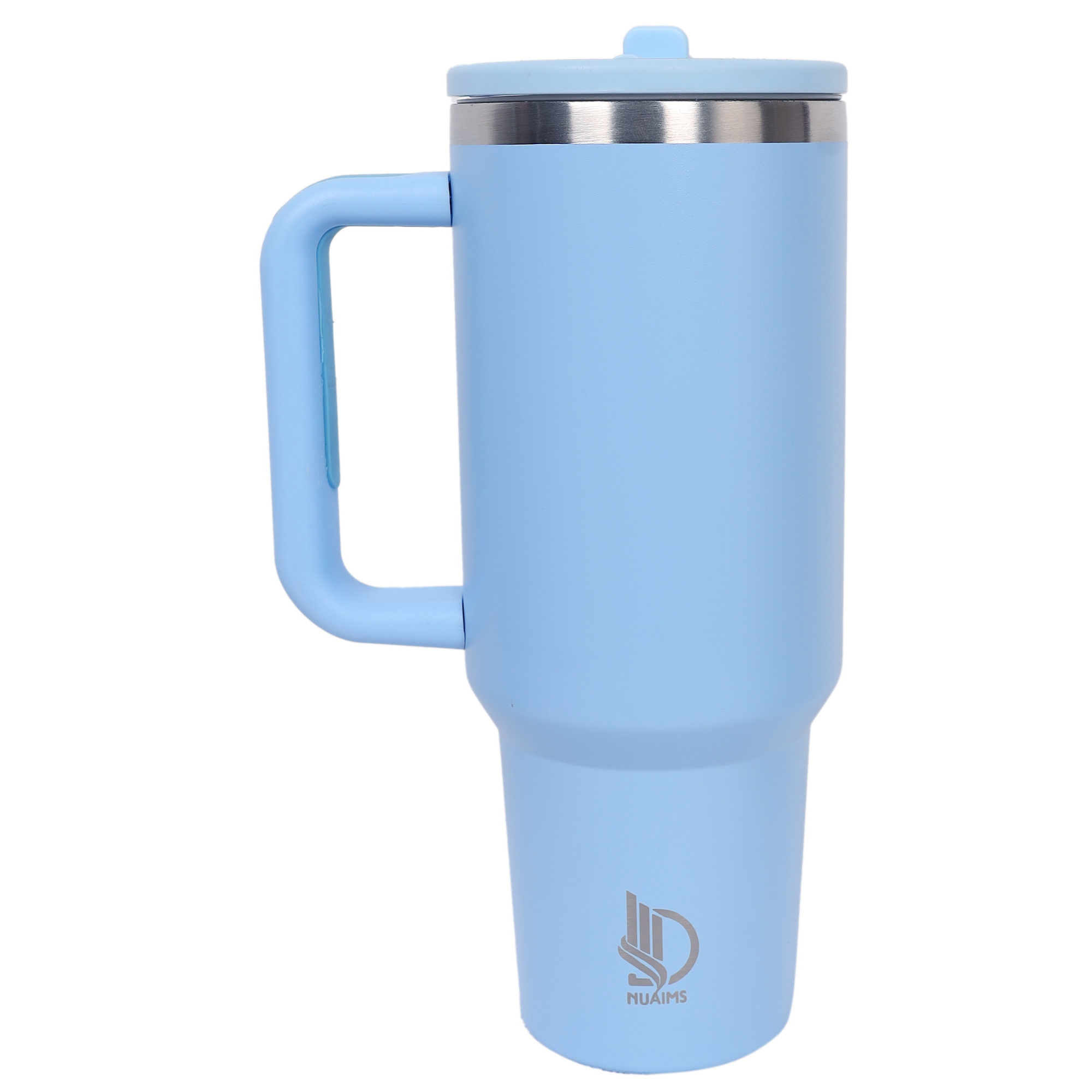
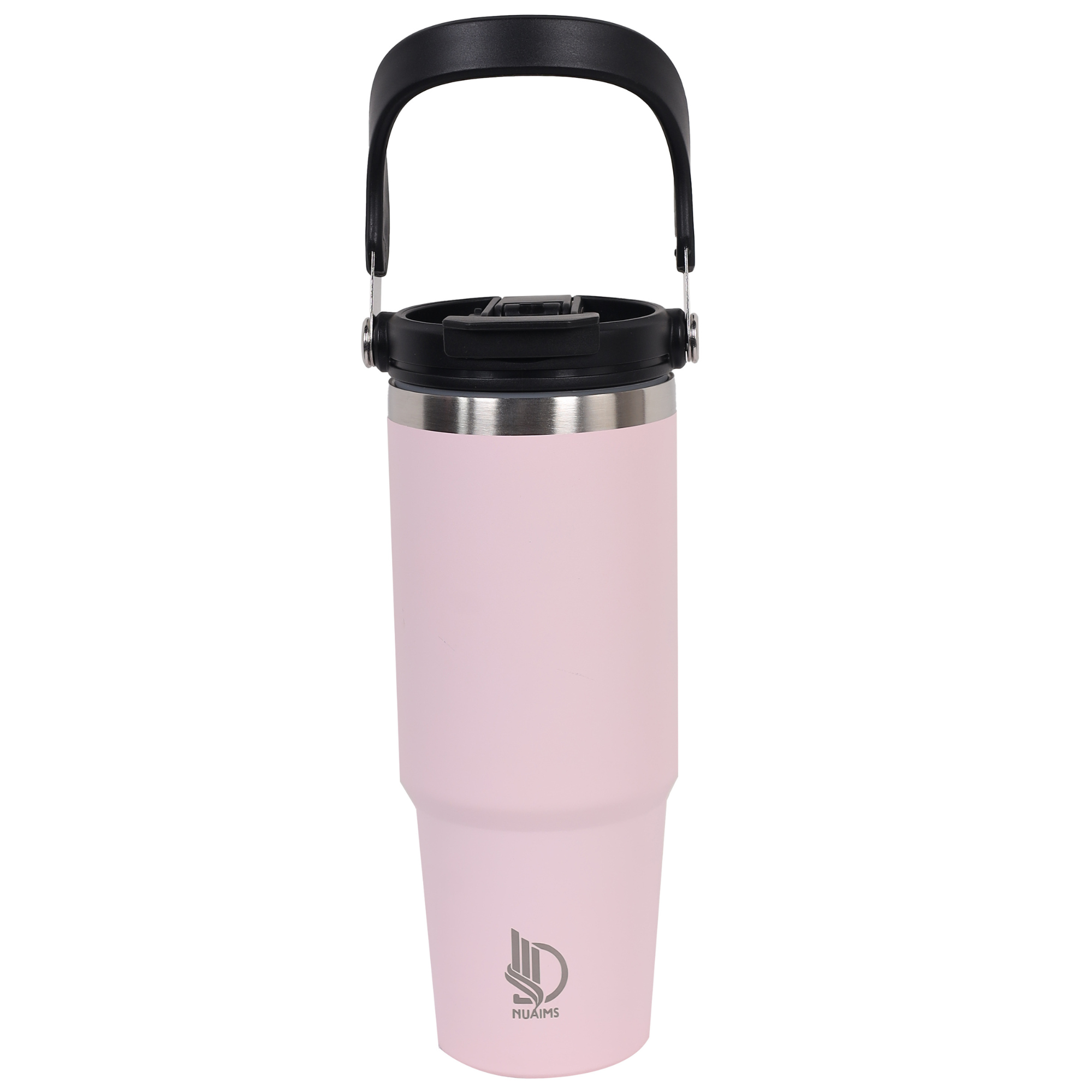
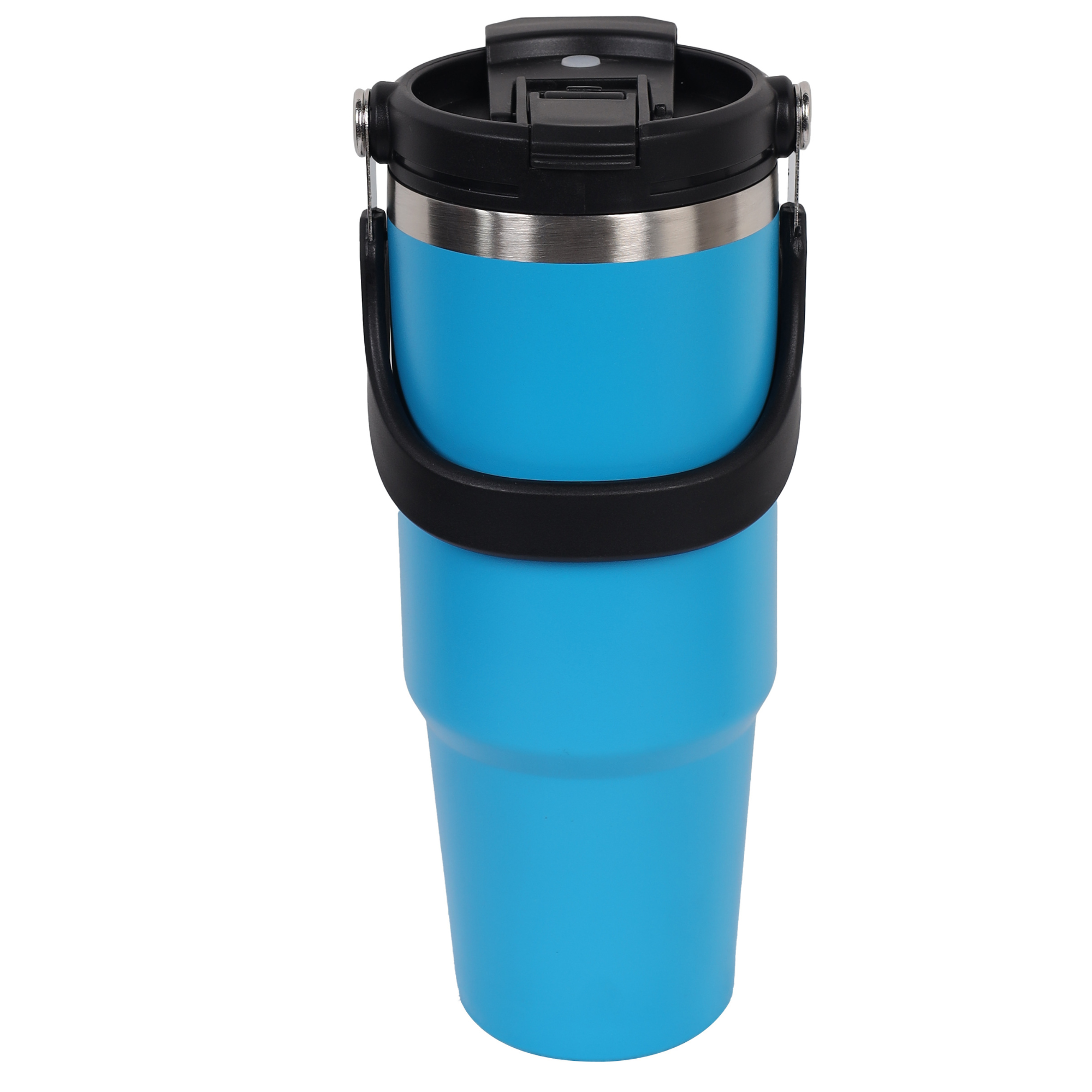
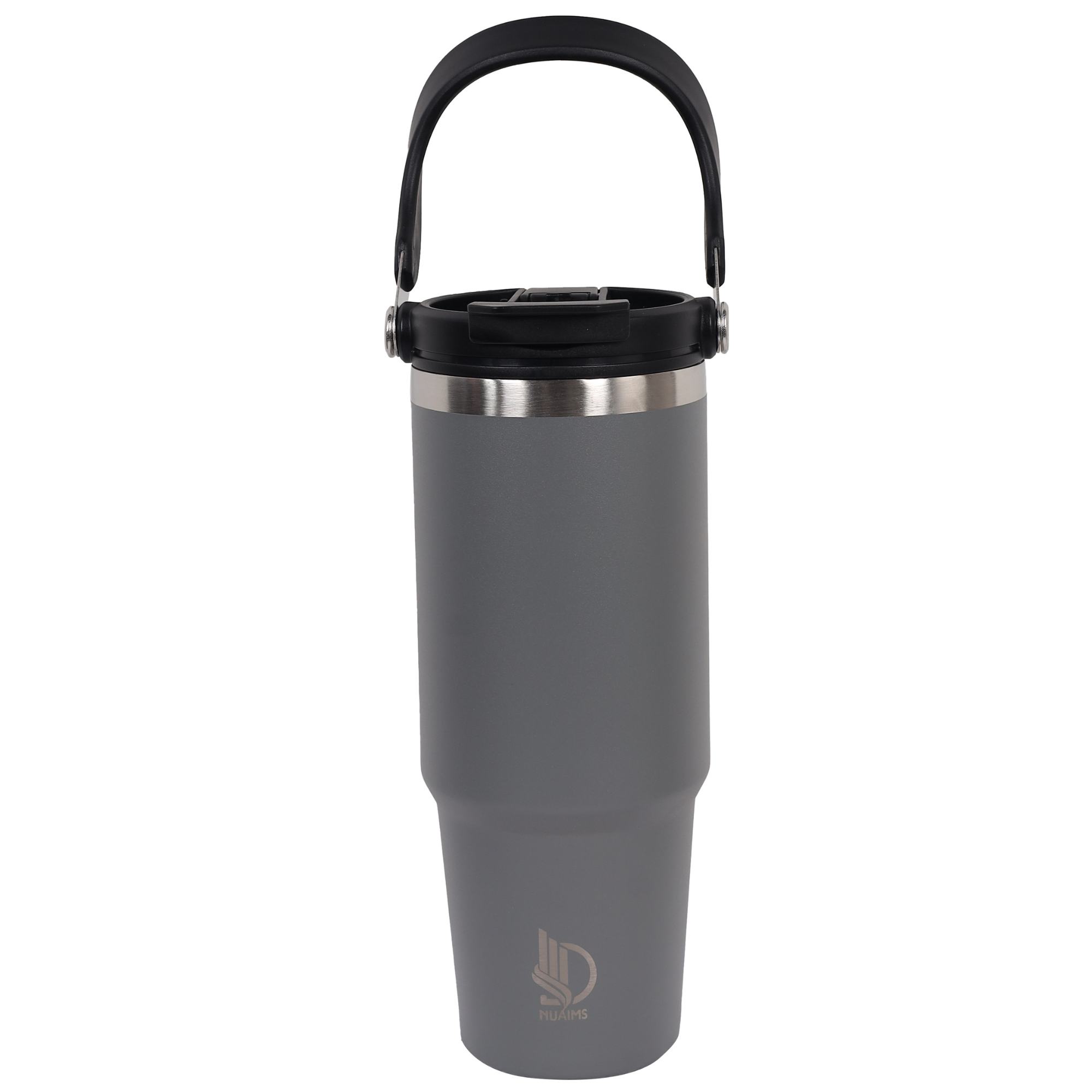
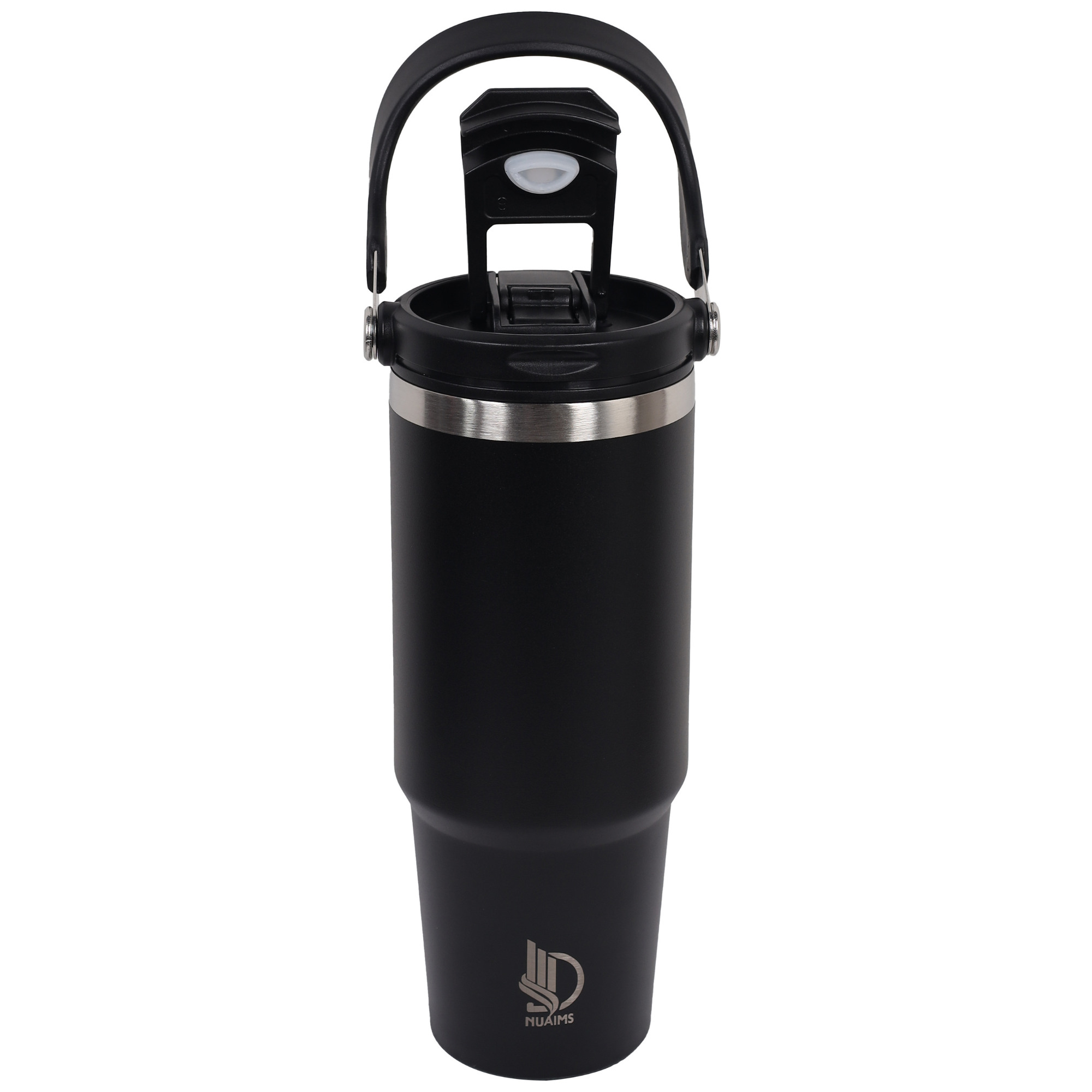
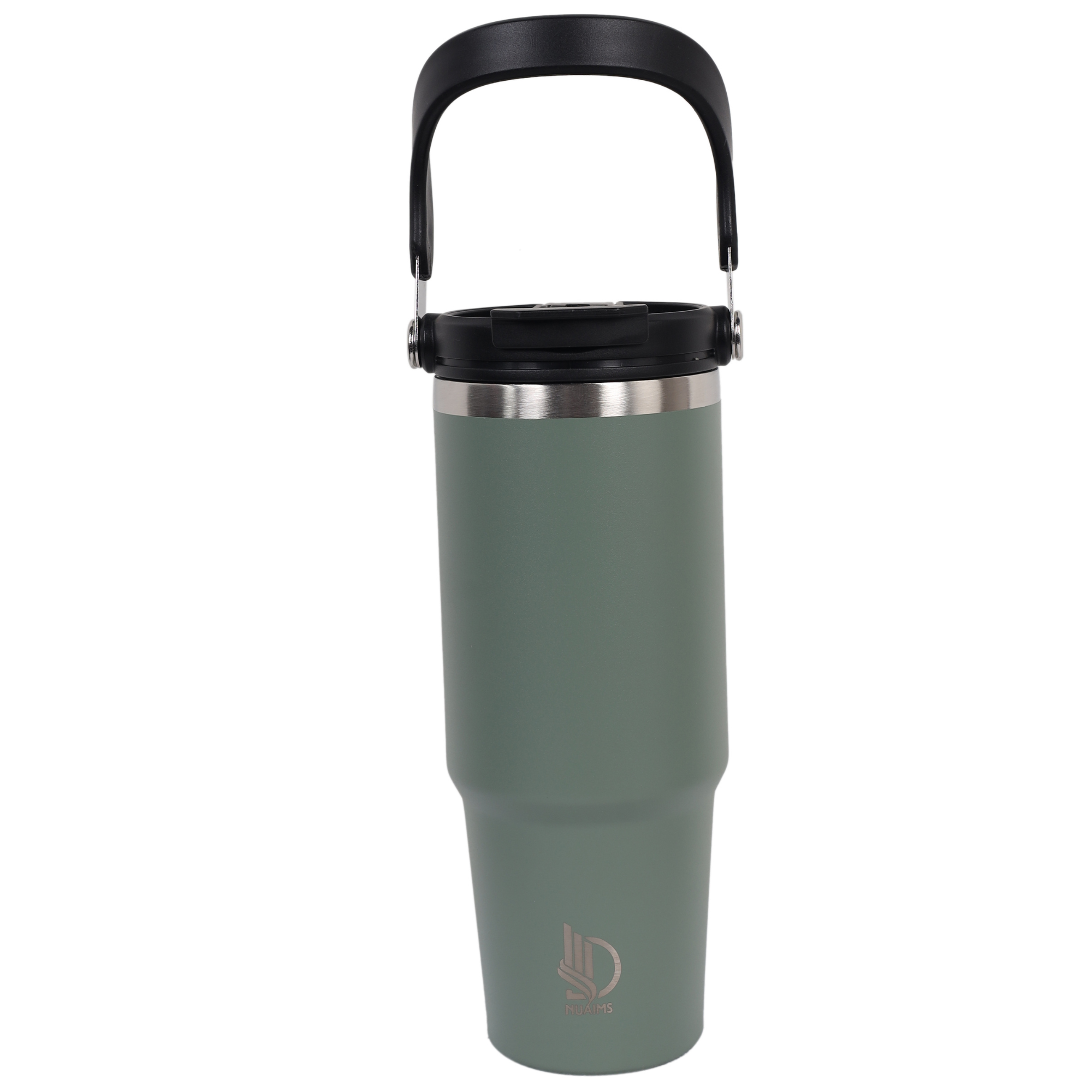
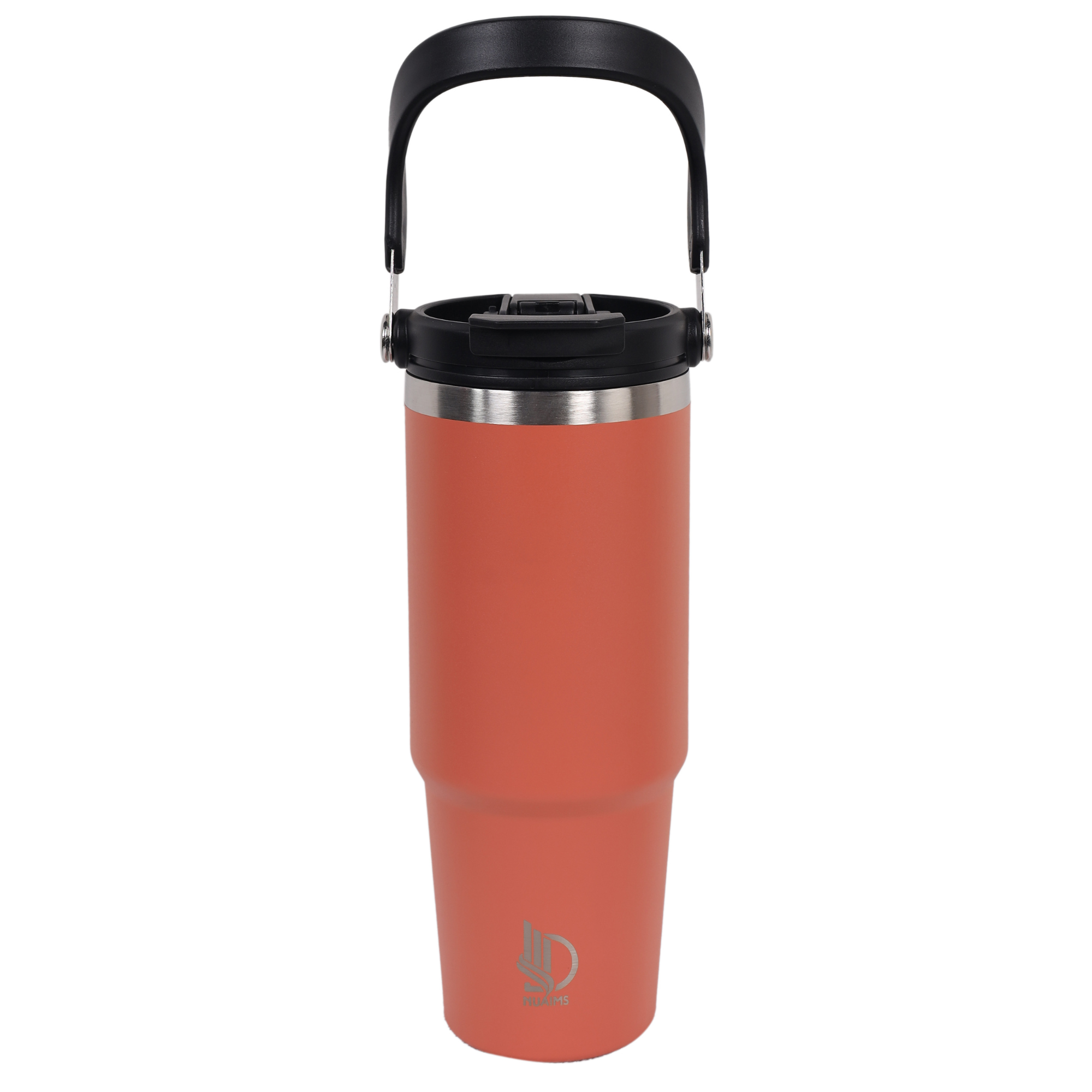
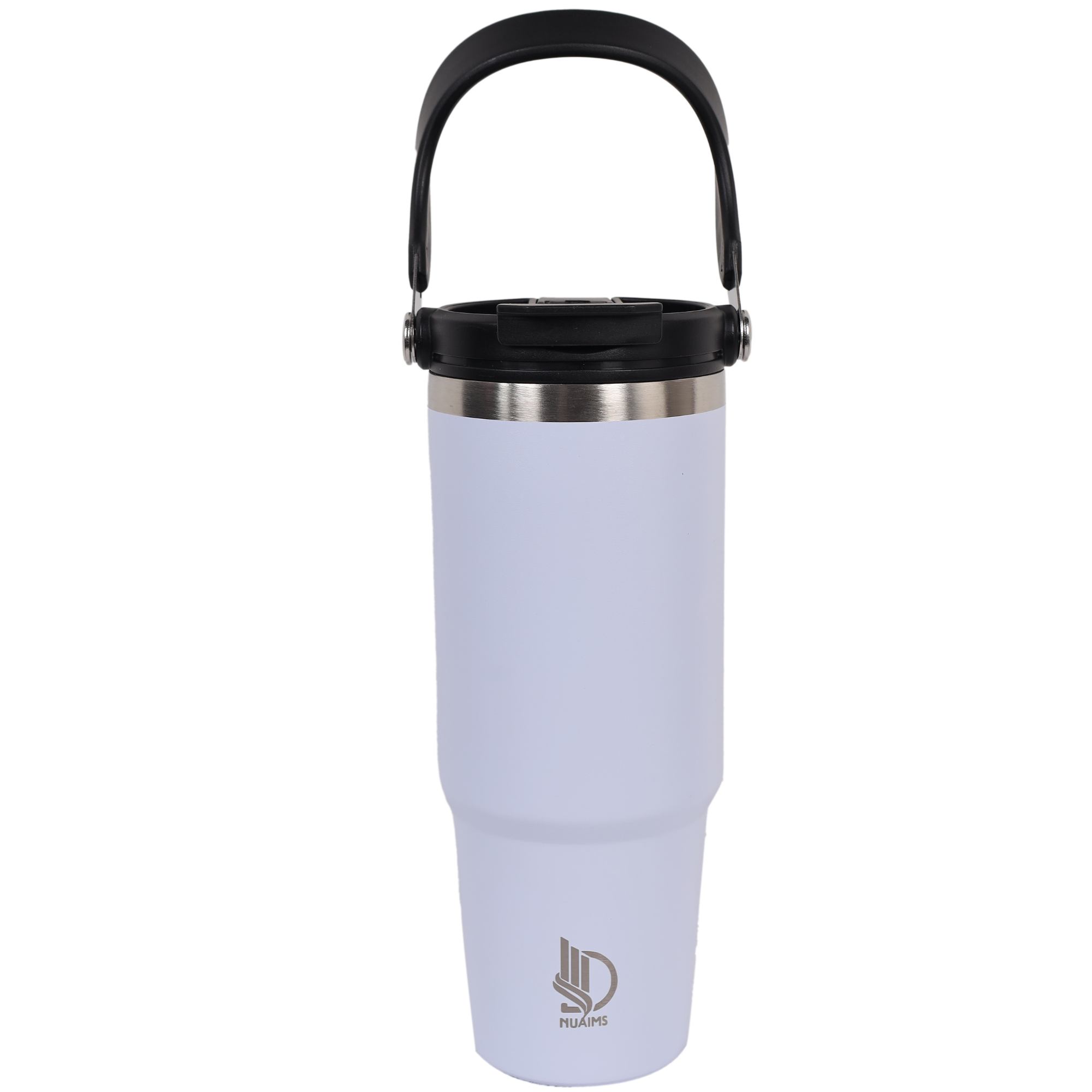
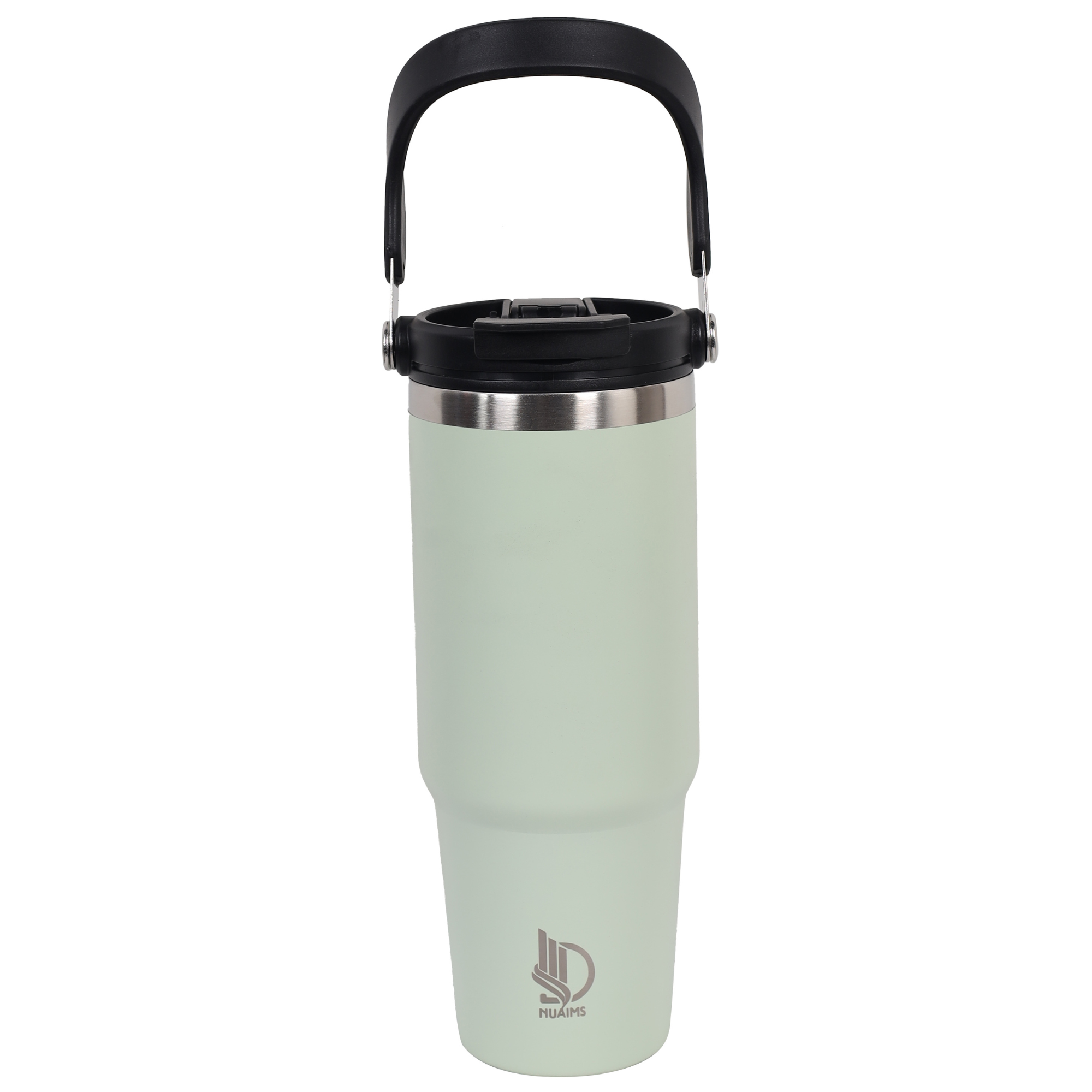
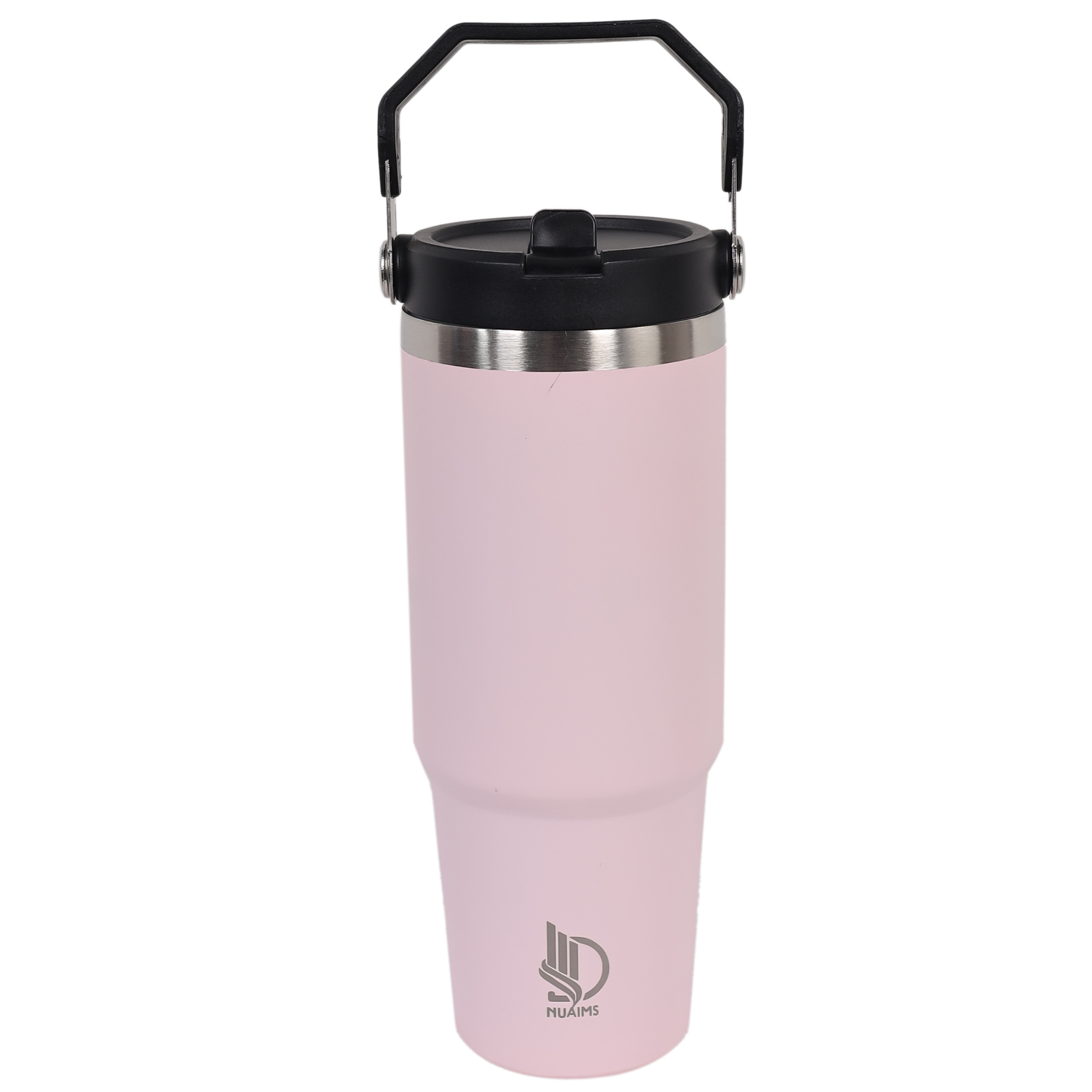
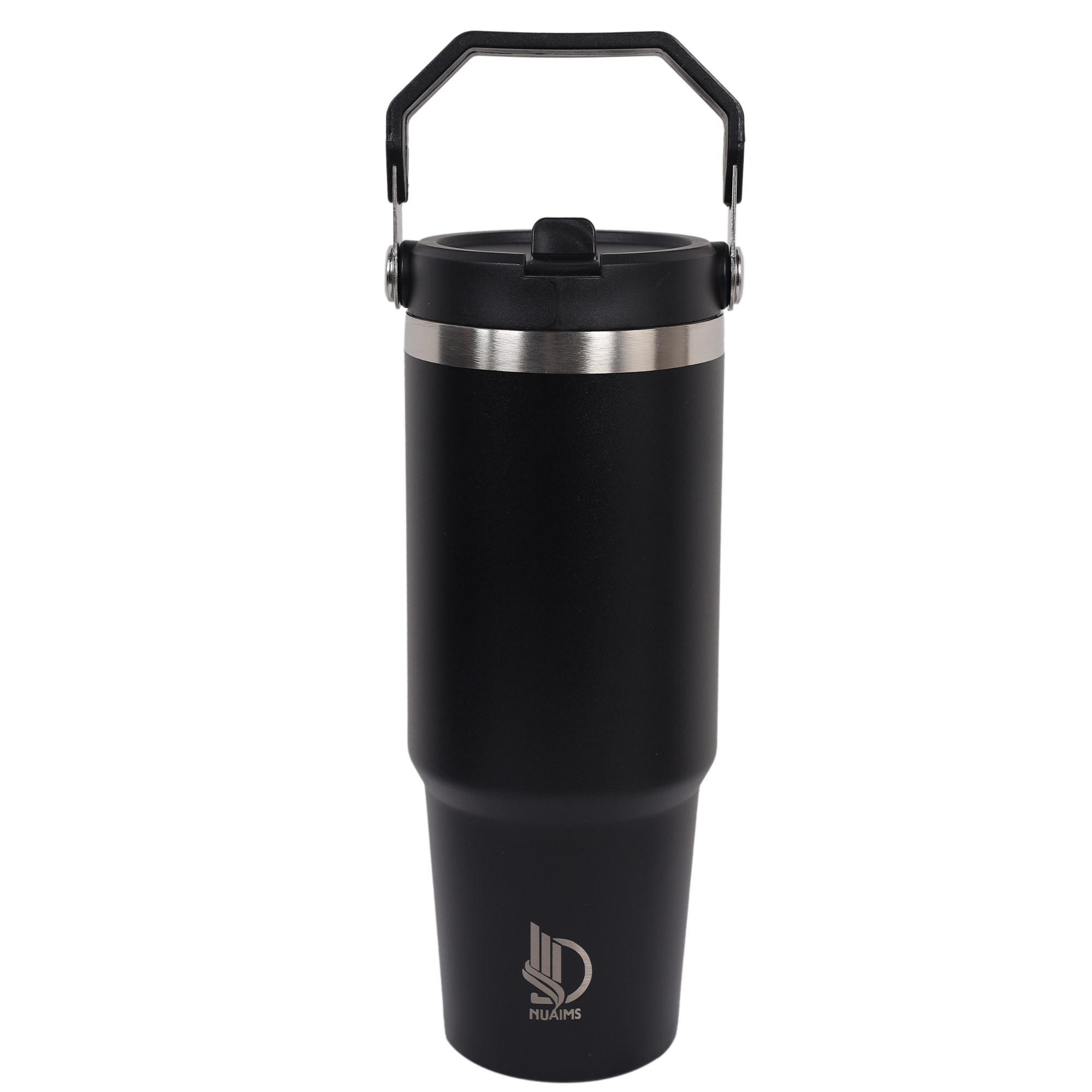
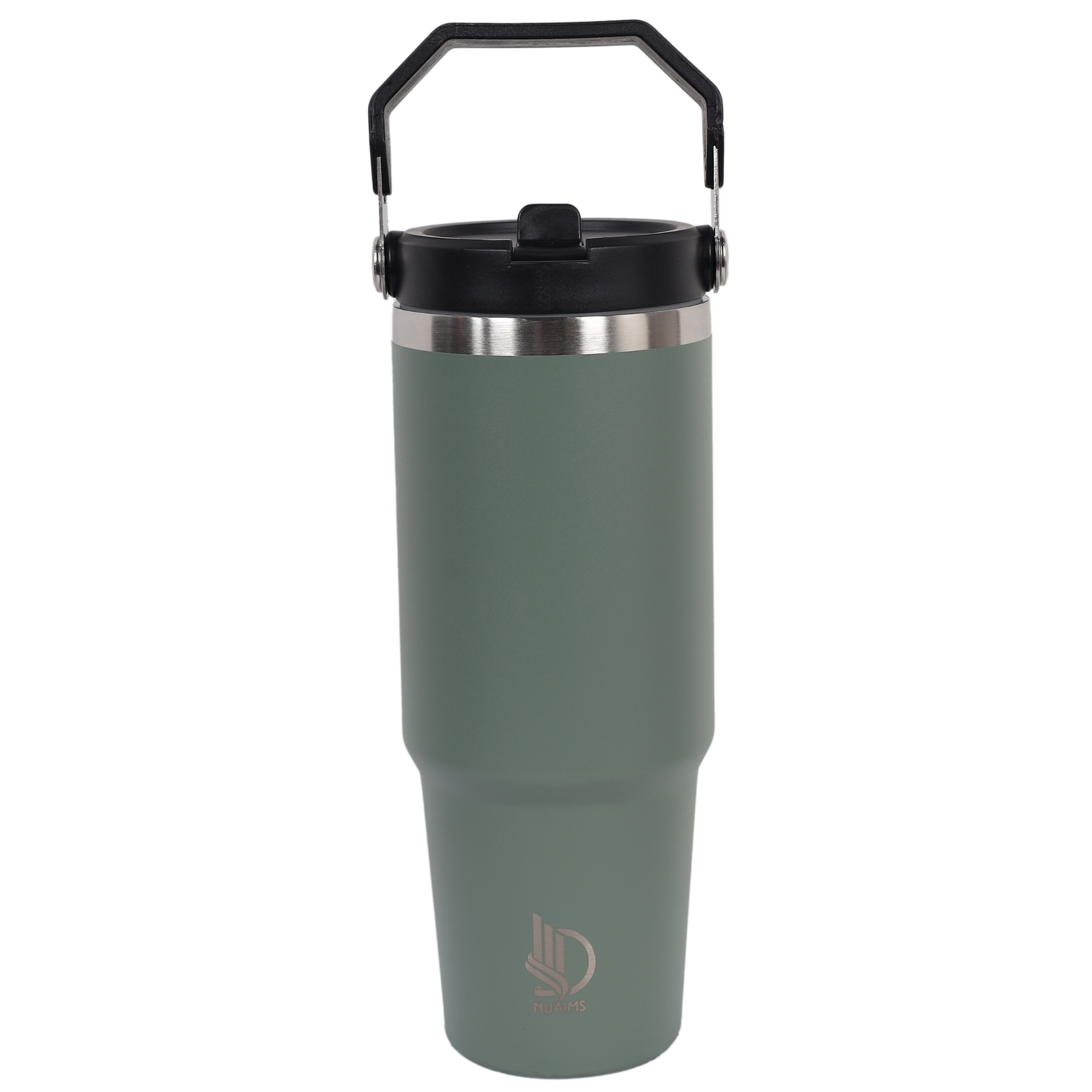
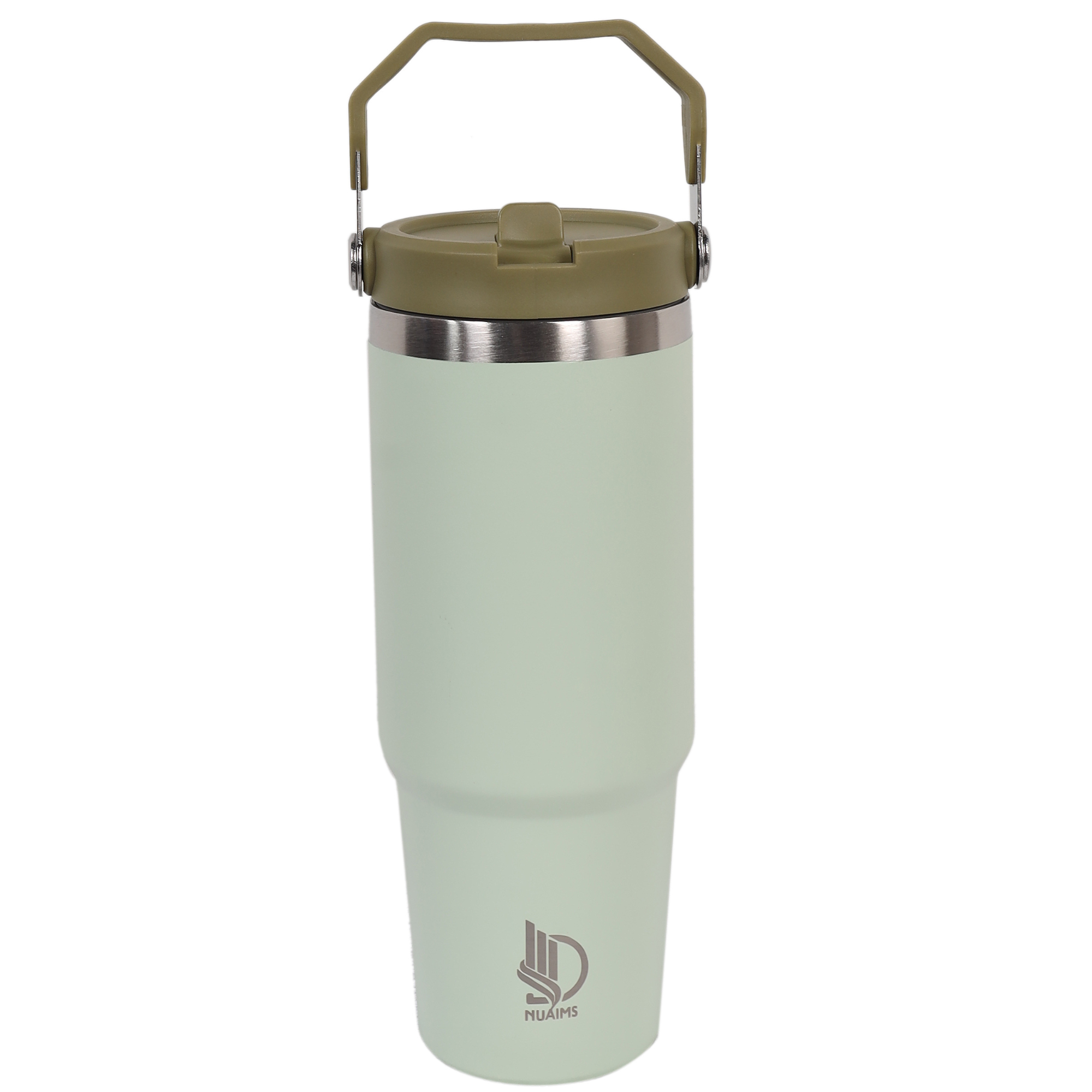
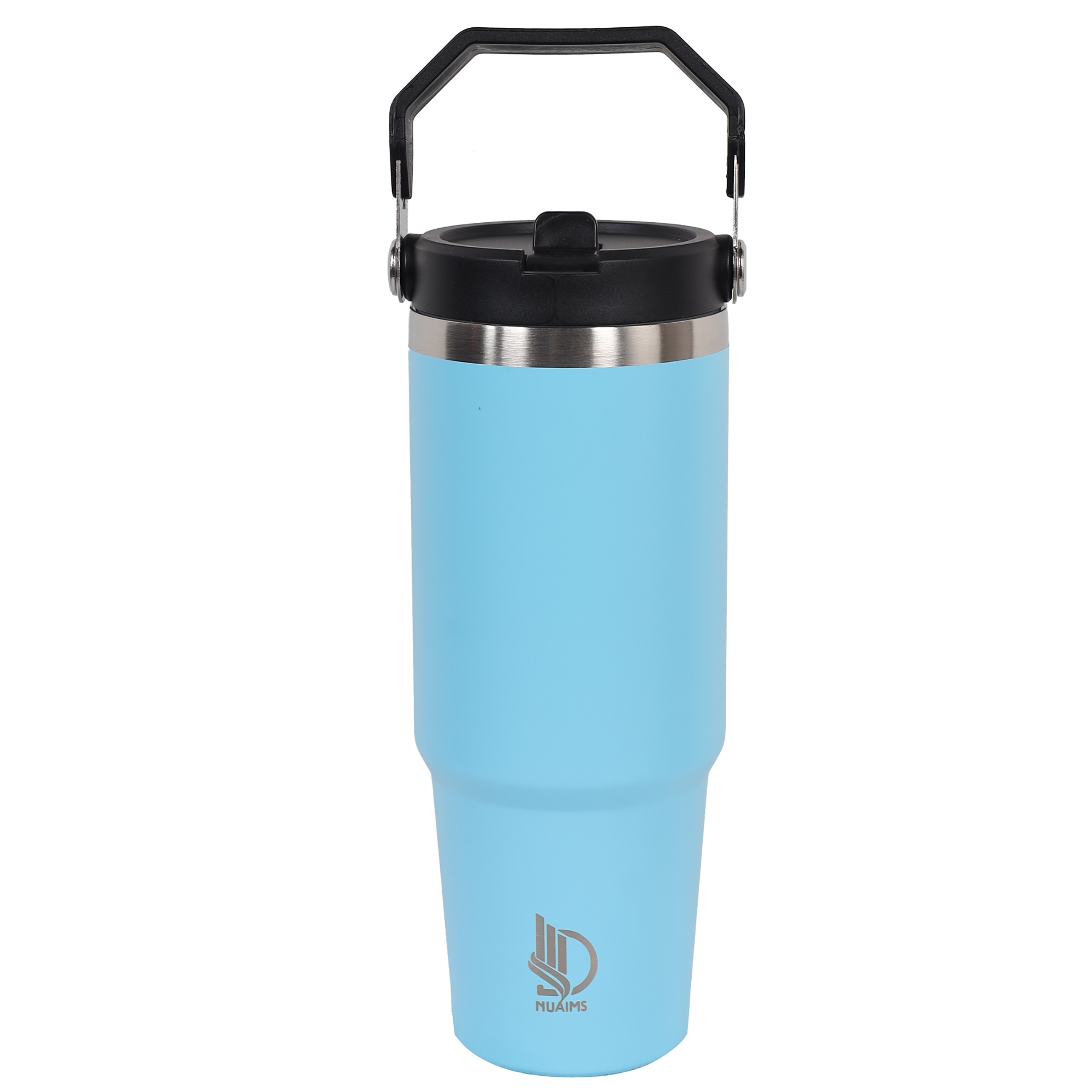
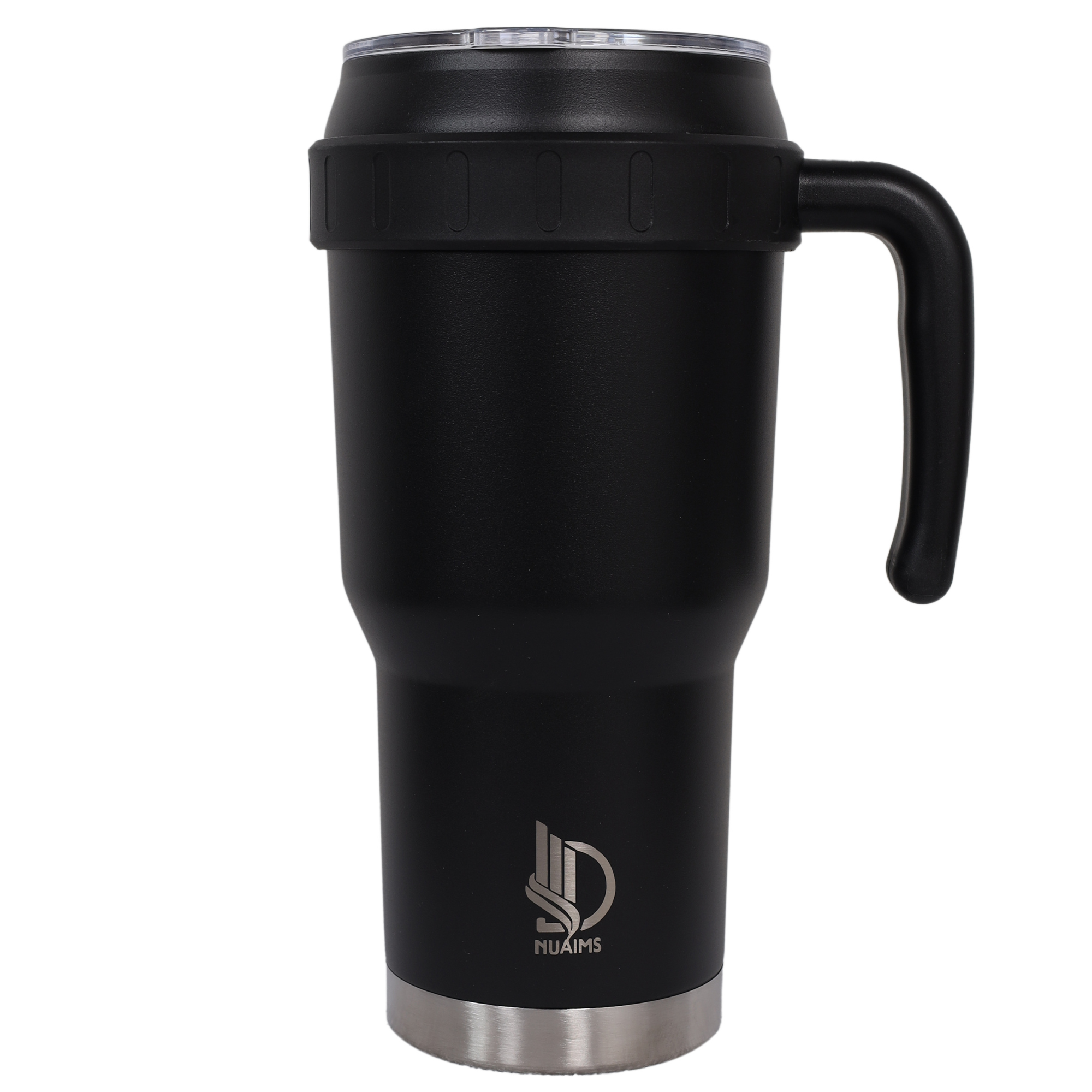
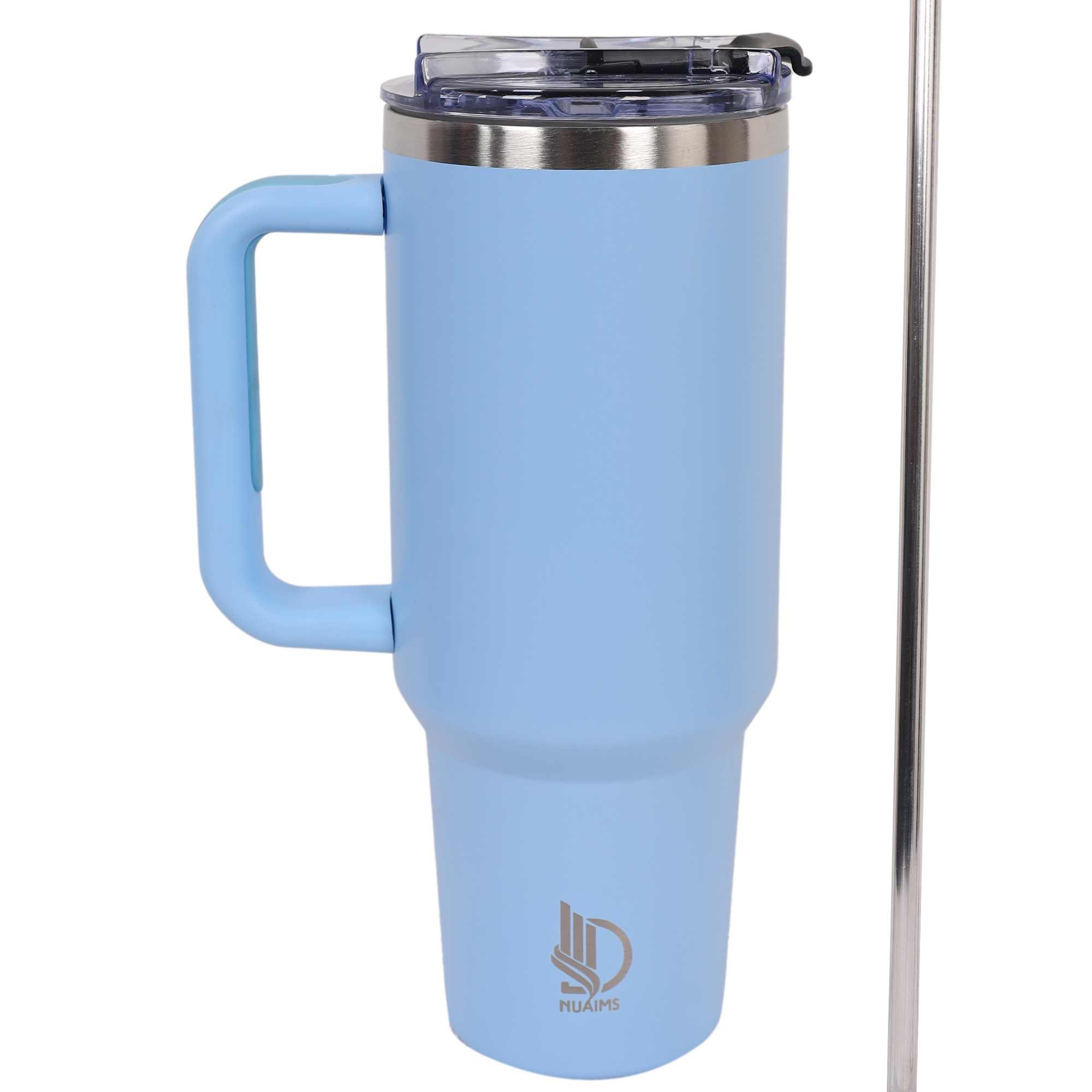
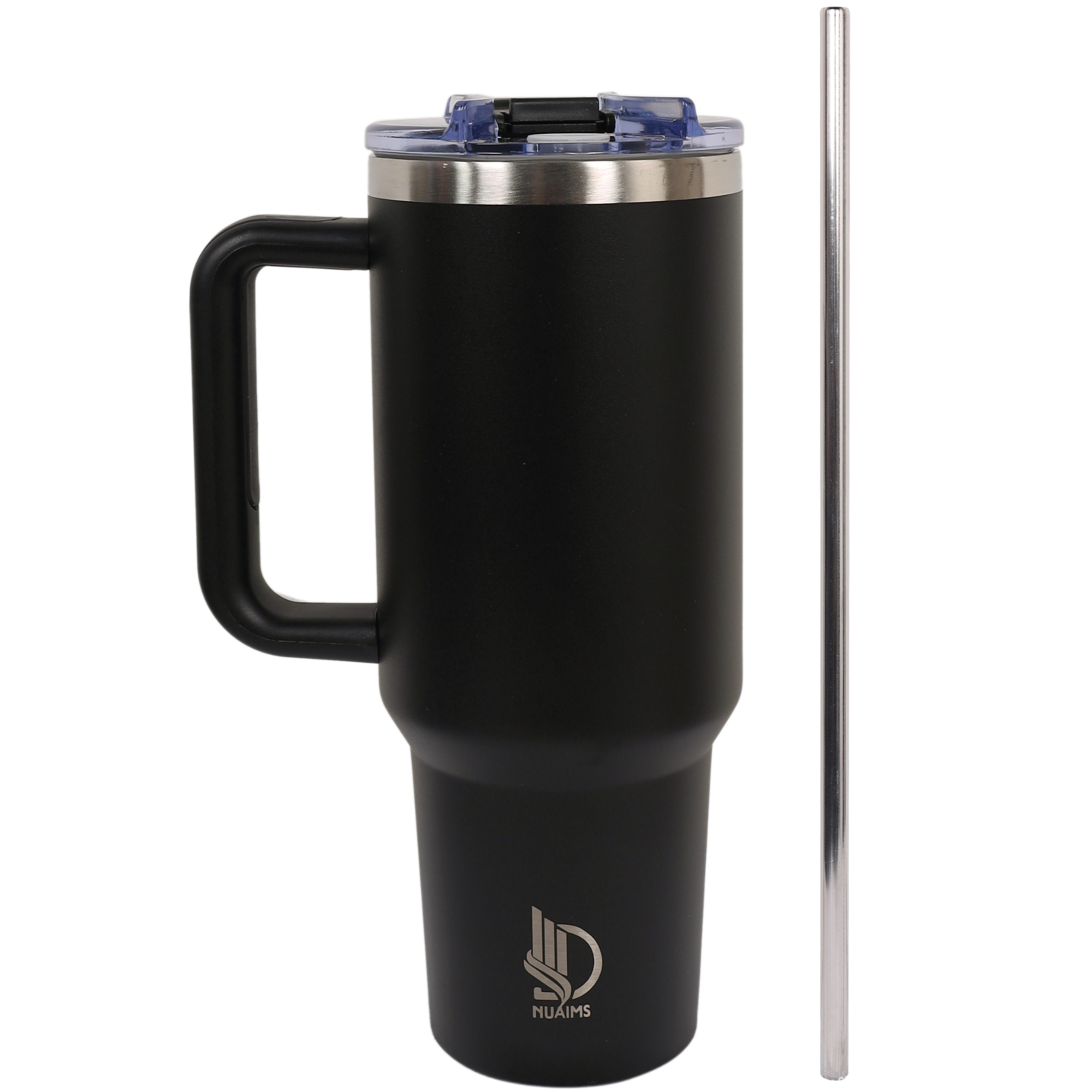
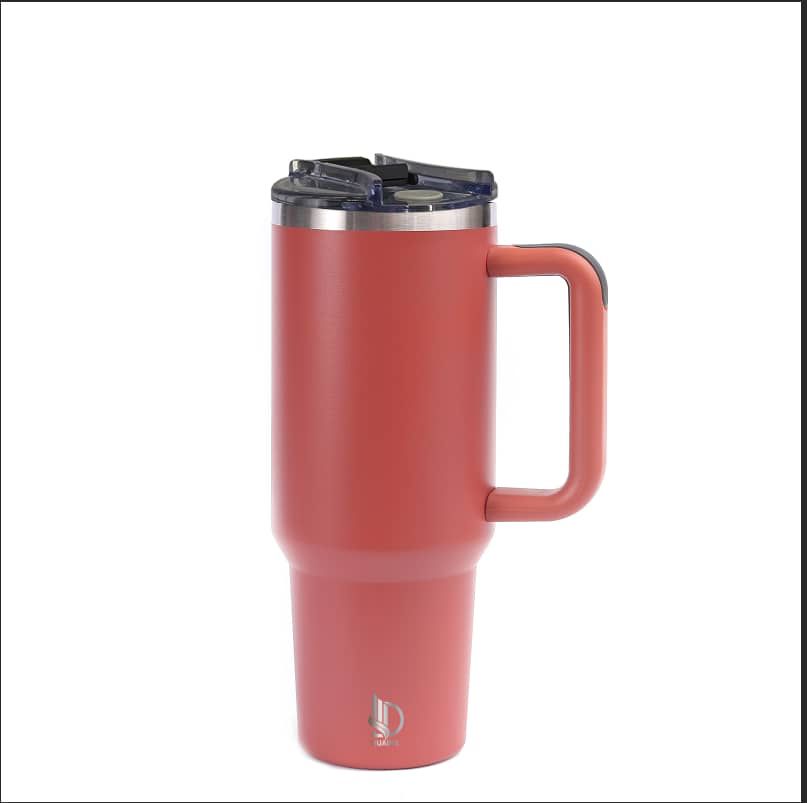
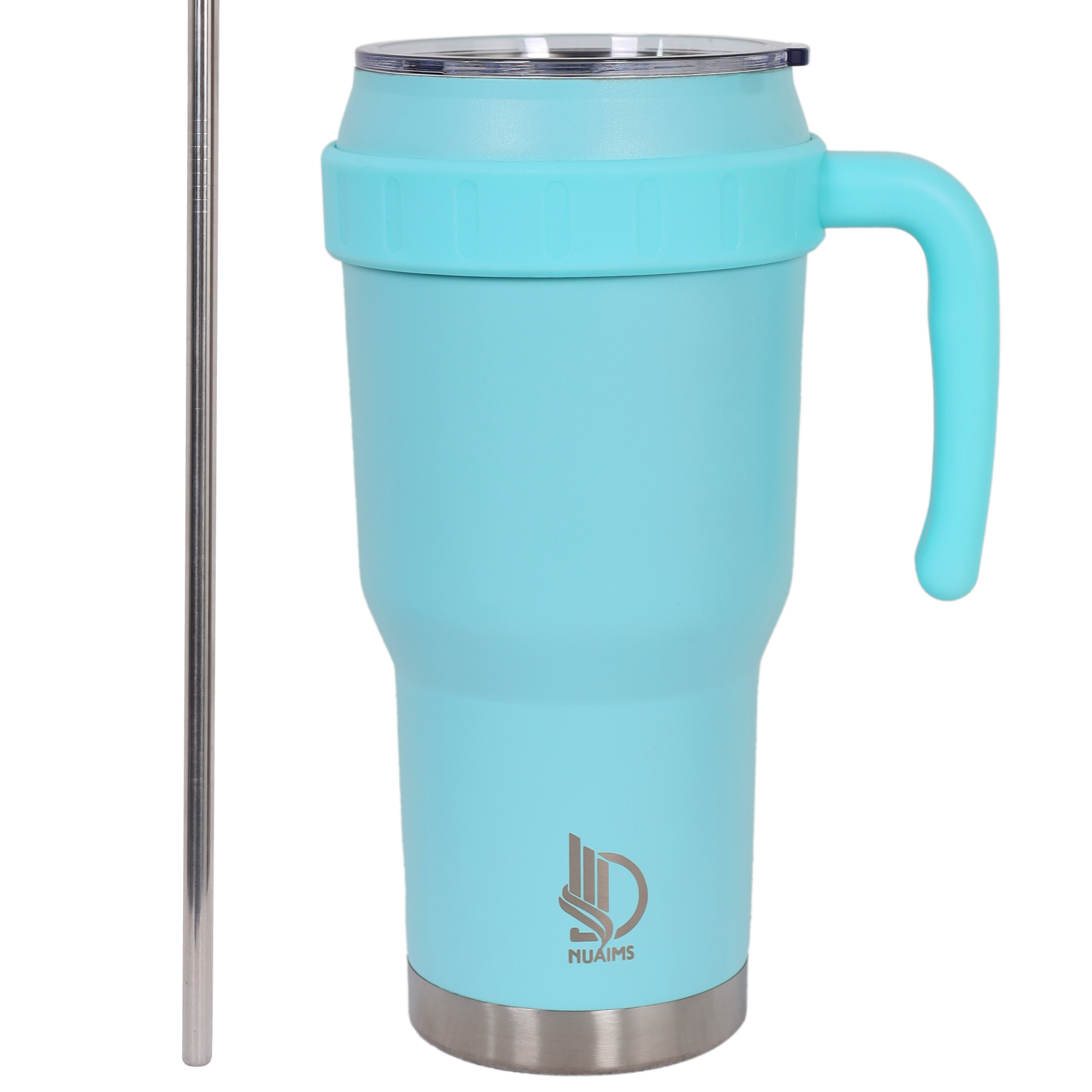
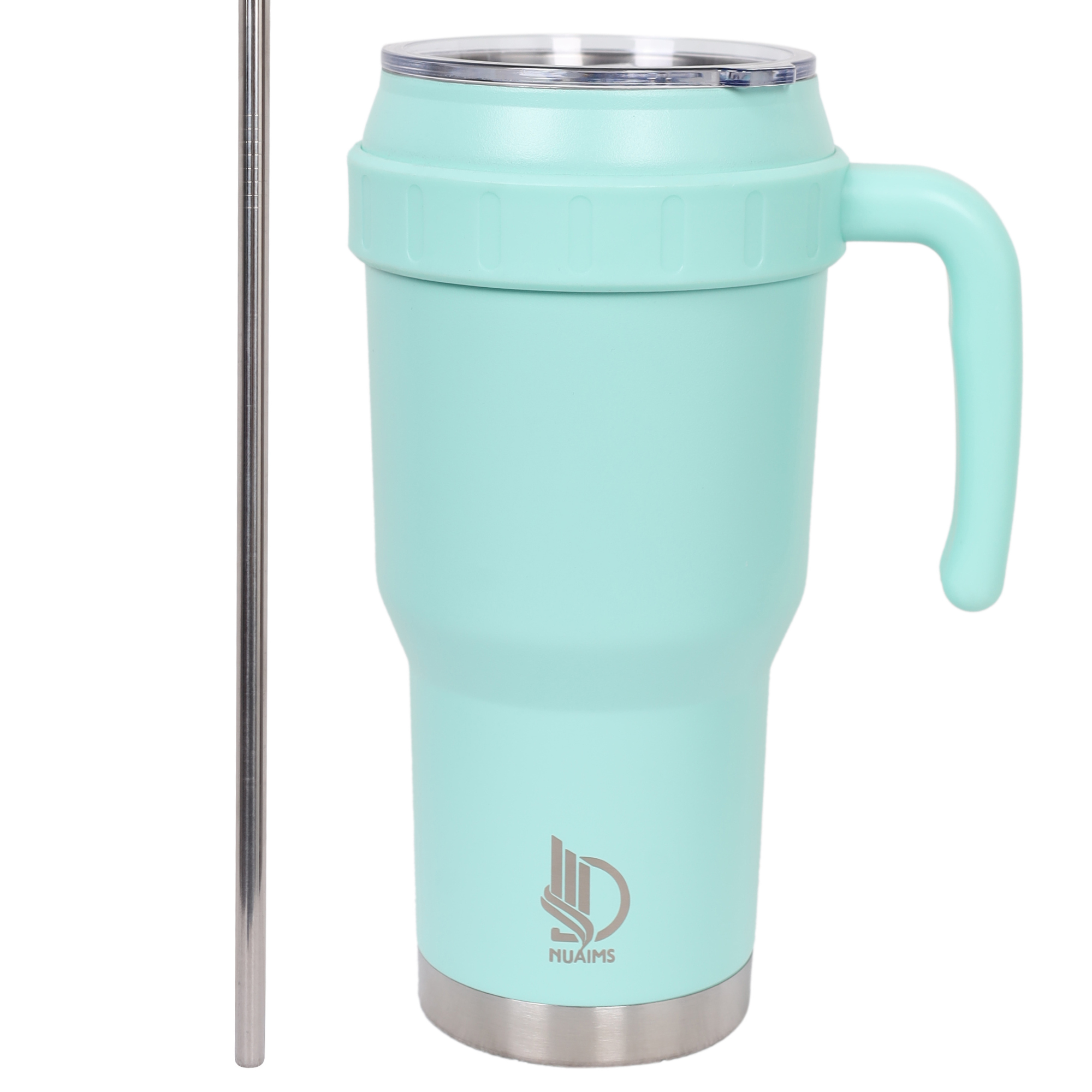
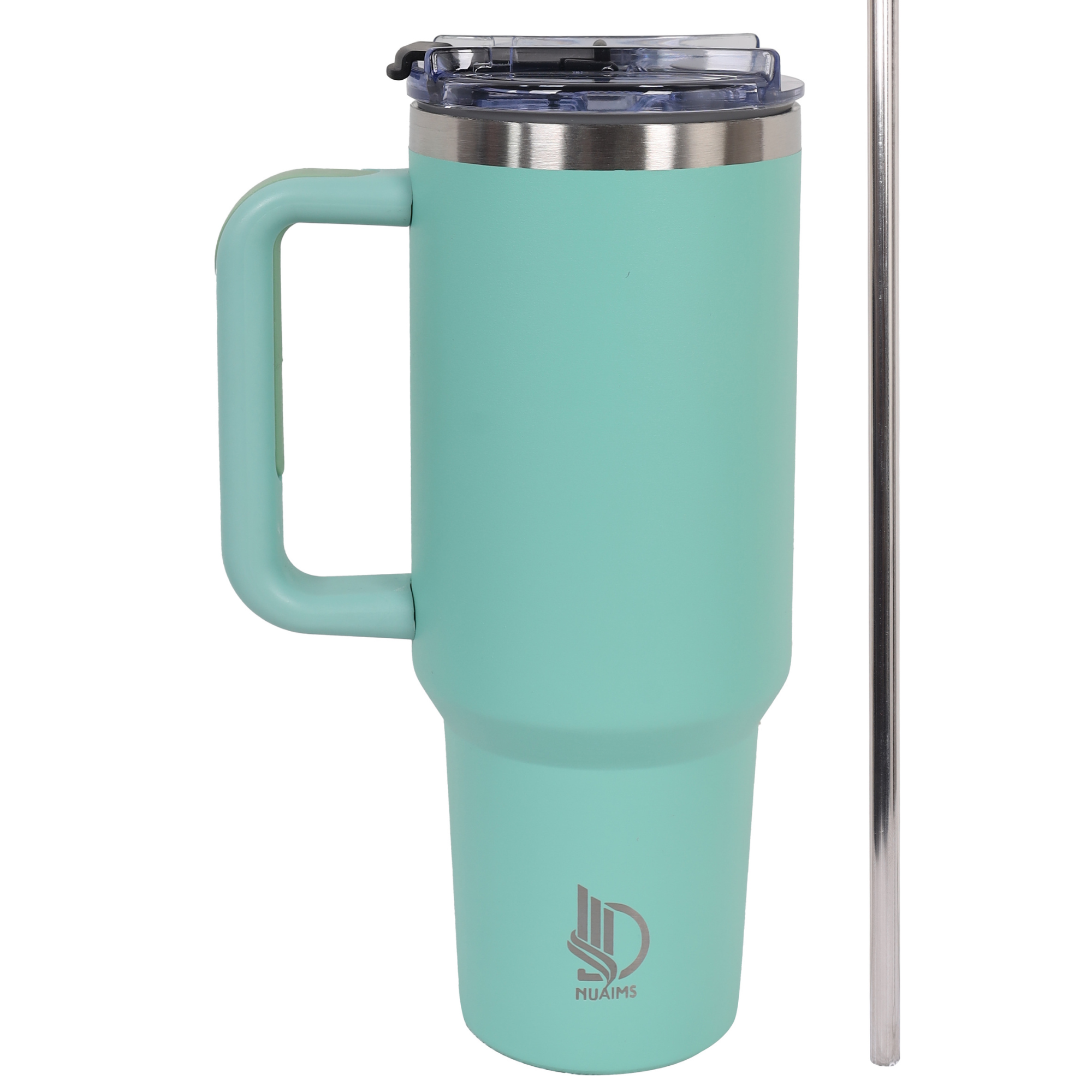
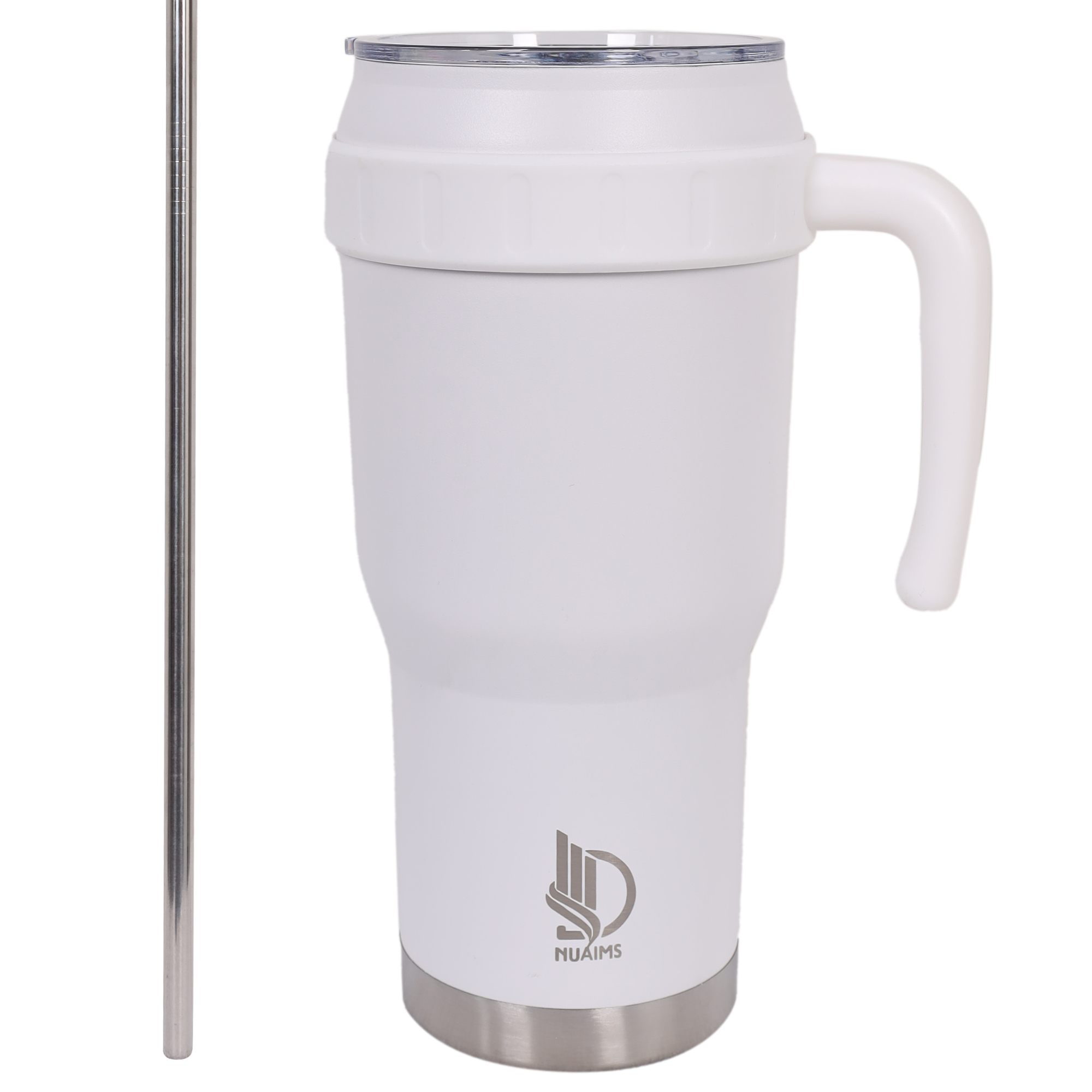
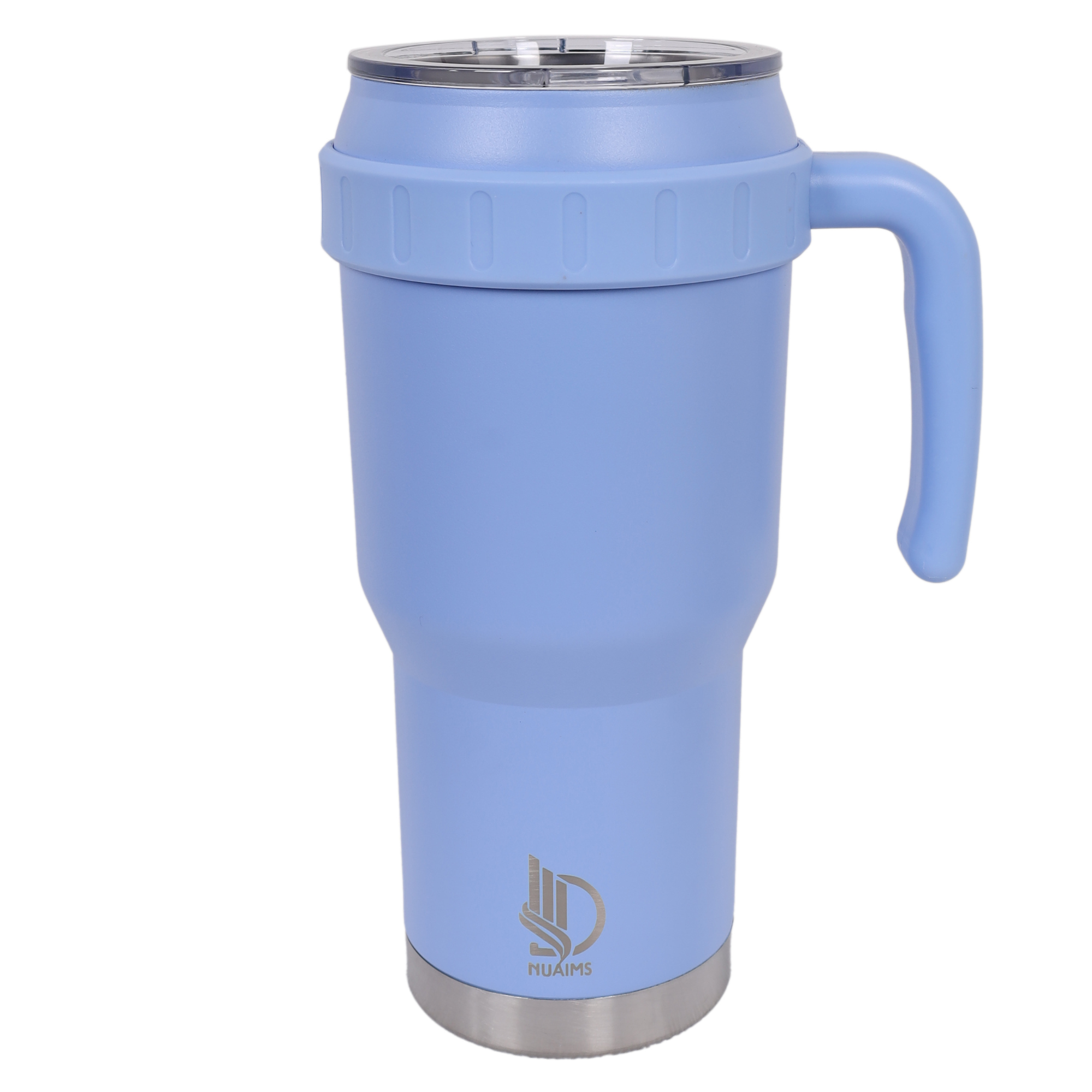
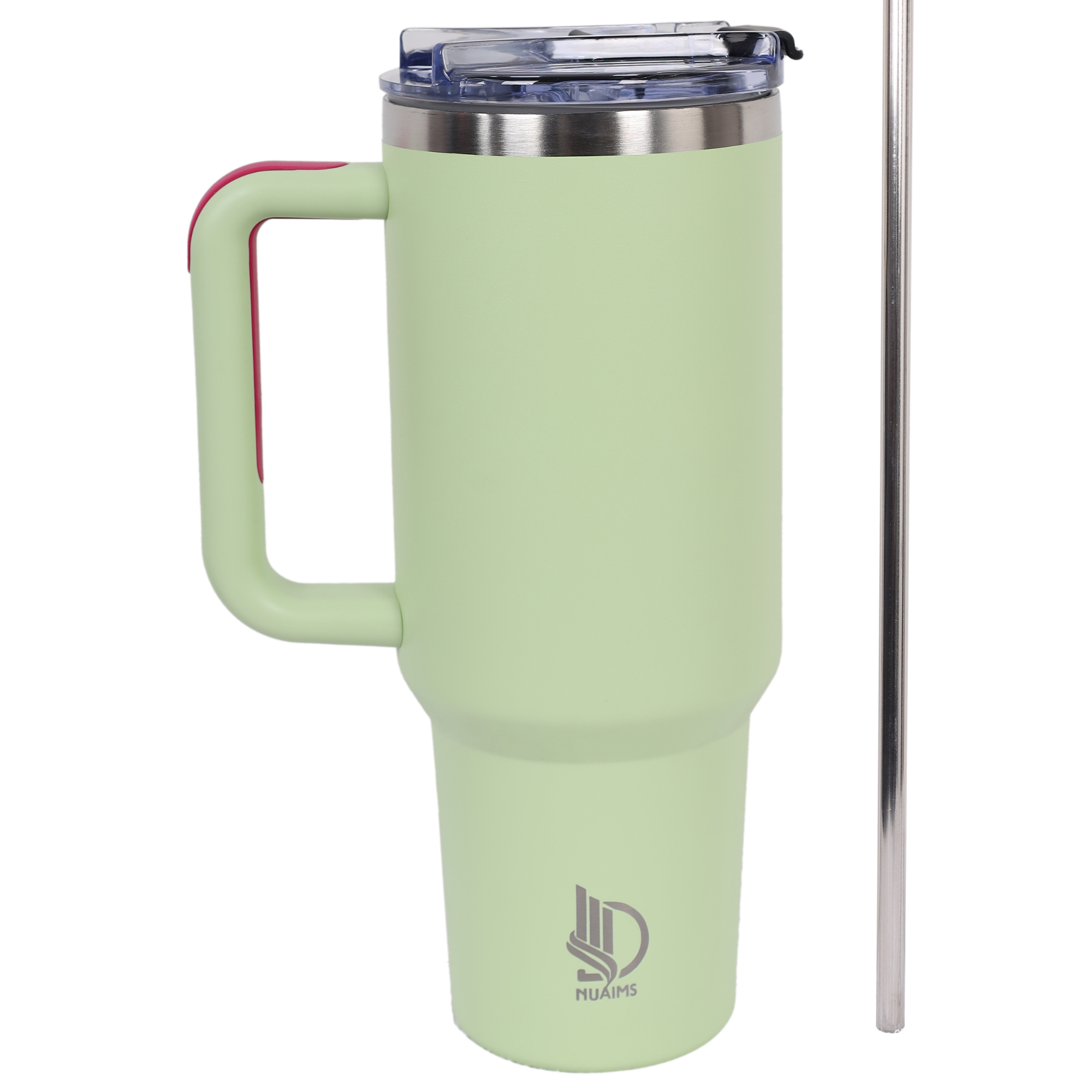
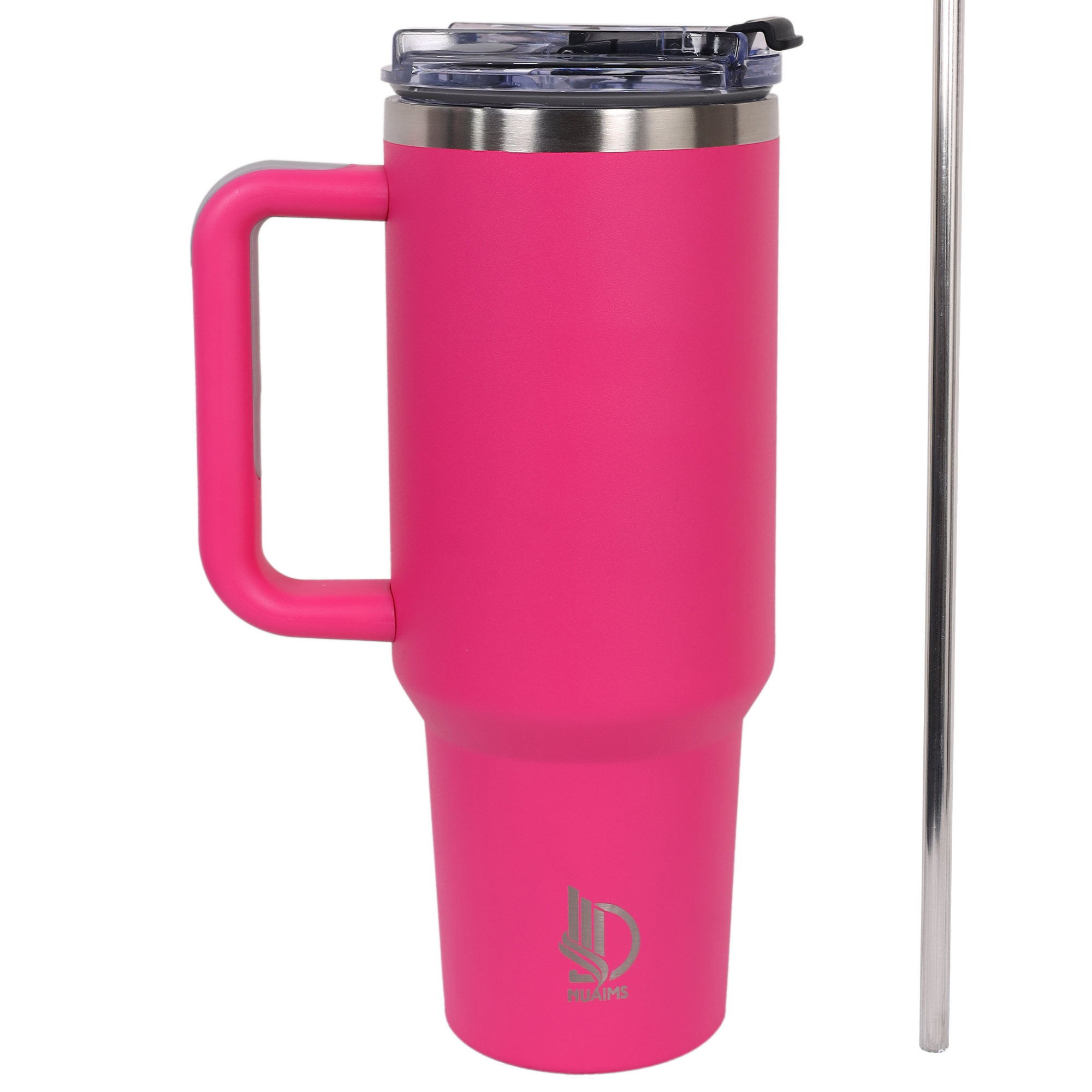
CHECK OUR LATEST TUMBLERS
Discover our latest tumbler bottles. Keep your drinks hot or cold for hours with sleek and durable designs.
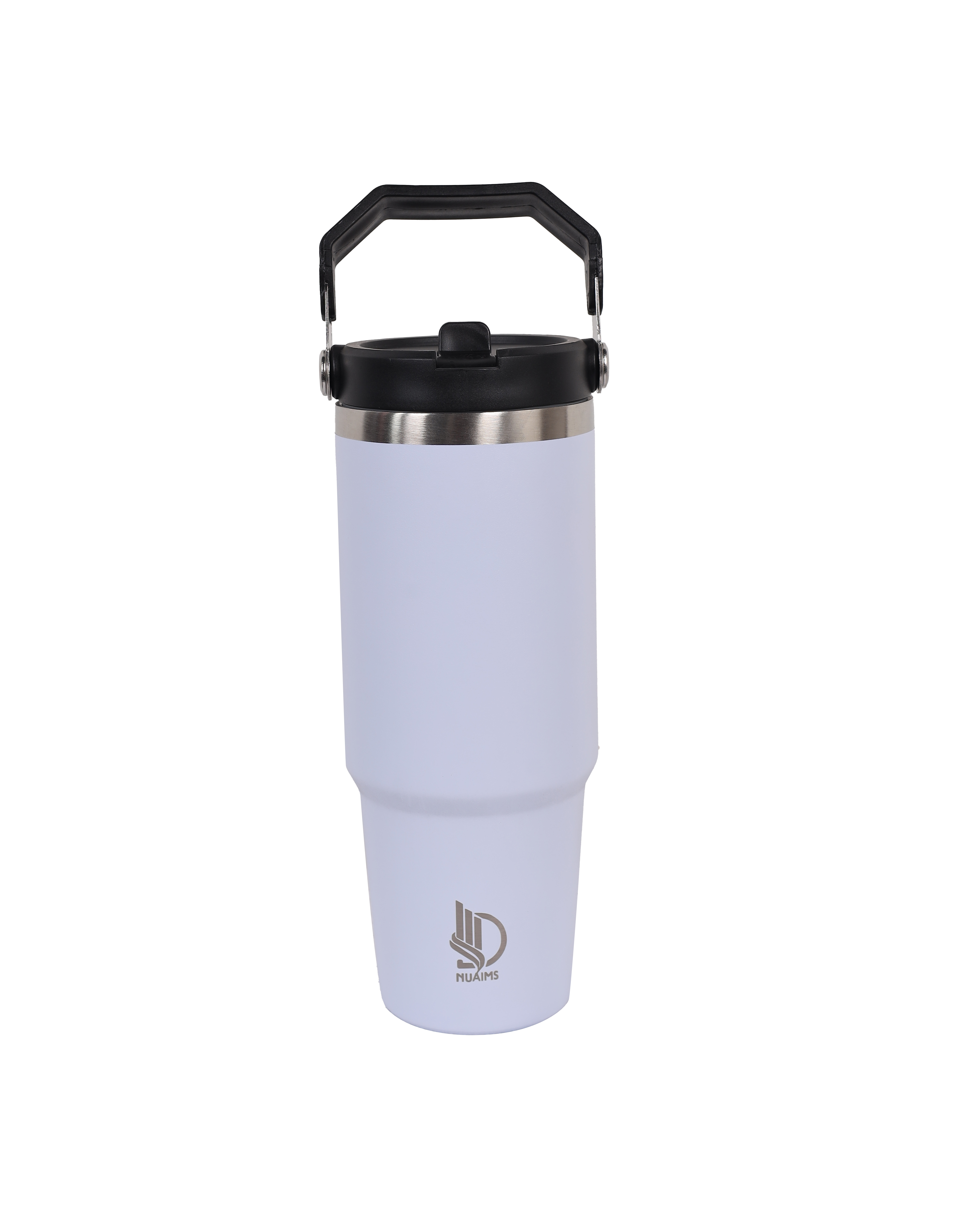
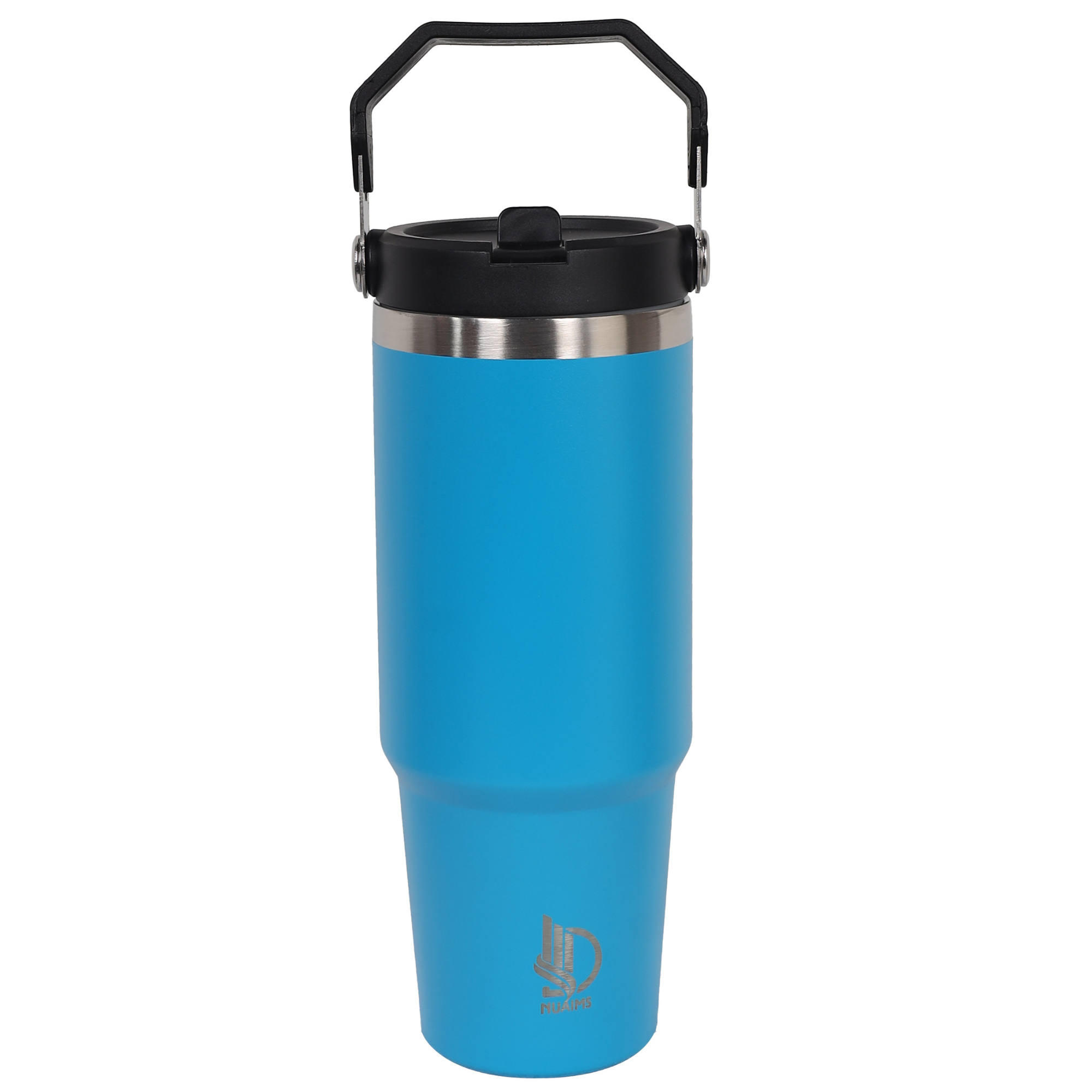
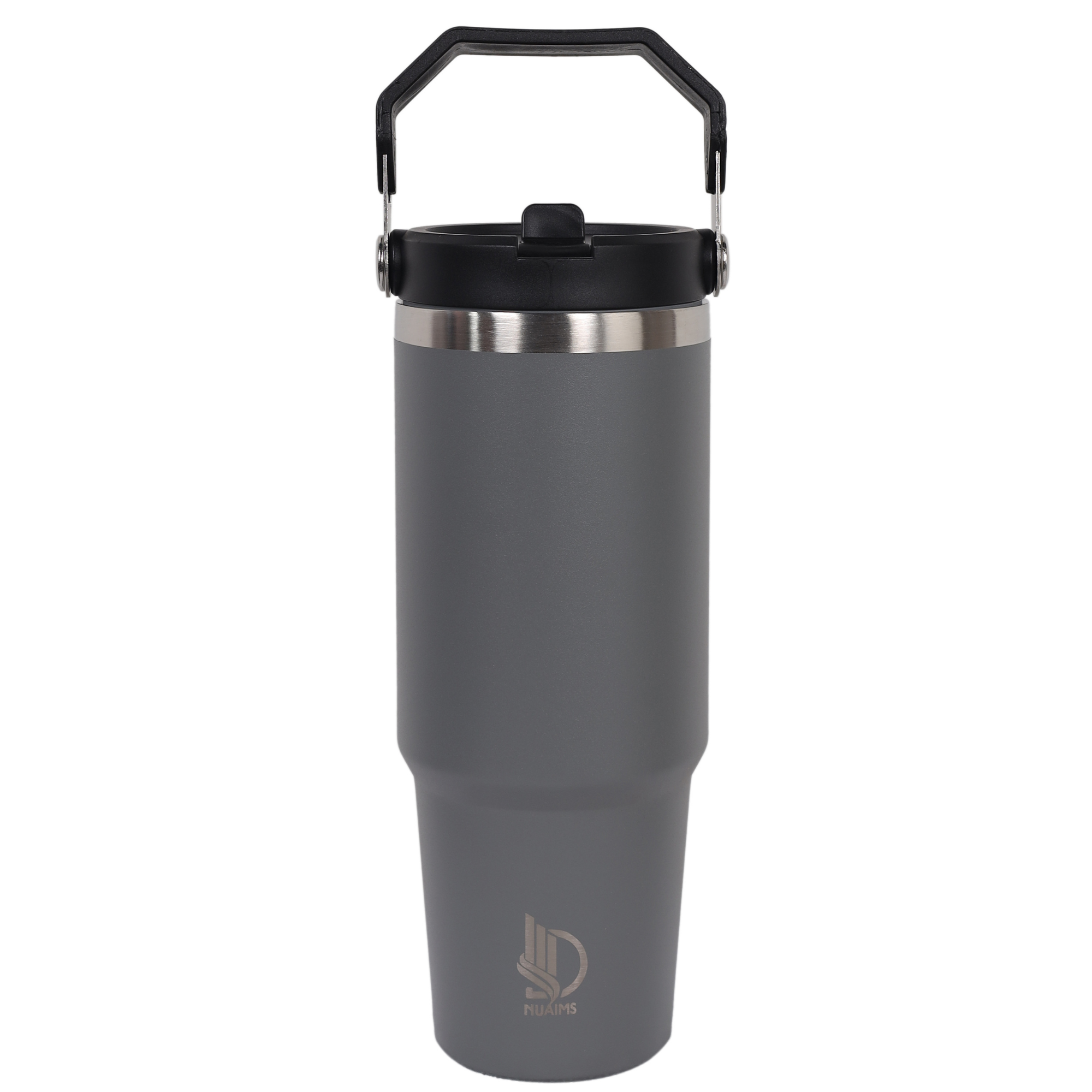
Honest Guidance Over Sales Pressure
At Nuaims Evergreen, we believe in transparent education. While we specialize in premium stainless steel bottles because we believe they offer the best combination of health, durability, and performance for most UAE residents, we recognize that glass has its place. Our mission is to help you make the informed choice that truly serves your needs—even if that means acknowledging when glass might work for specific use cases.
Providing unbiased material comparisons backed by science
Testing products in real UAE environmental conditions
Prioritizing customer needs over sales quotas
Building bottles that last decades, not years
How to Choose: Decision Framework
Use this simple three-step framework to determine which material is the perfect match for your unique needs and daily routine in the UAE.
Assess Your Activity Level
If your bottle travels with you—to the gym, office, car, or outdoors—and faces potential drops or impacts, stainless steel is the safer, more practical choice. If it stays primarily stationary at a home office desk, glass can work well.
Consider Temperature Needs
Do you need drinks to stay cold during long UAE commutes or hot throughout the morning? Insulated stainless steel is essential. If you refill frequently and temperature isn't critical, glass is acceptable.
Evaluate Long-Term Value
Calculate lifetime cost: a quality stainless steel bottle lasts 10+ years without replacement. Glass bottles often need replacing every 1-2 years due to breakage. Factor in replacement costs and environmental impact.
The Complete Glass vs Stainless Steel Breakdown
We've tested both materials extensively in UAE conditions. Here's everything you need to know to make an informed decision based on facts, not marketing hype.
Durability: The Decisive Factor
Why Stainless Steel Wins for Active Lifestyles
Glass bottles are elegant and pure, but they have one critical weakness: they break. And in real-world use, breakage isn't a matter of 'if' but 'when.'
Our field testing showed that glass bottles, even those made from reinforced borosilicate glass, can shatter from falls as low as 2-3 feet onto hard surfaces like tile or concrete—common in UAE homes and offices. The silicone sleeves that come with most glass bottles provide minimal protection against serious impacts. In contrast, <strong>premium 18/8 stainless steel</strong> can survive falls from 6+ feet without damage beyond minor cosmetic dents. For parents, gym-goers, travelers, or anyone with an active lifestyle, this difference is game-changing. A dropped bottle in your gym bag, knocked off your car roof, or dropped by a child doesn't mean purchasing a replacement—it means picking it up and moving on. Over a lifetime, this durability translates to significant cost savings and environmental benefits from not replacing broken bottles.
Temperature Performance: No Contest
Insulation Technology Changes Everything
In the UAE's climate where outdoor temperatures exceed 45°C, temperature retention isn't a luxury—it's essential for enjoying your beverages.
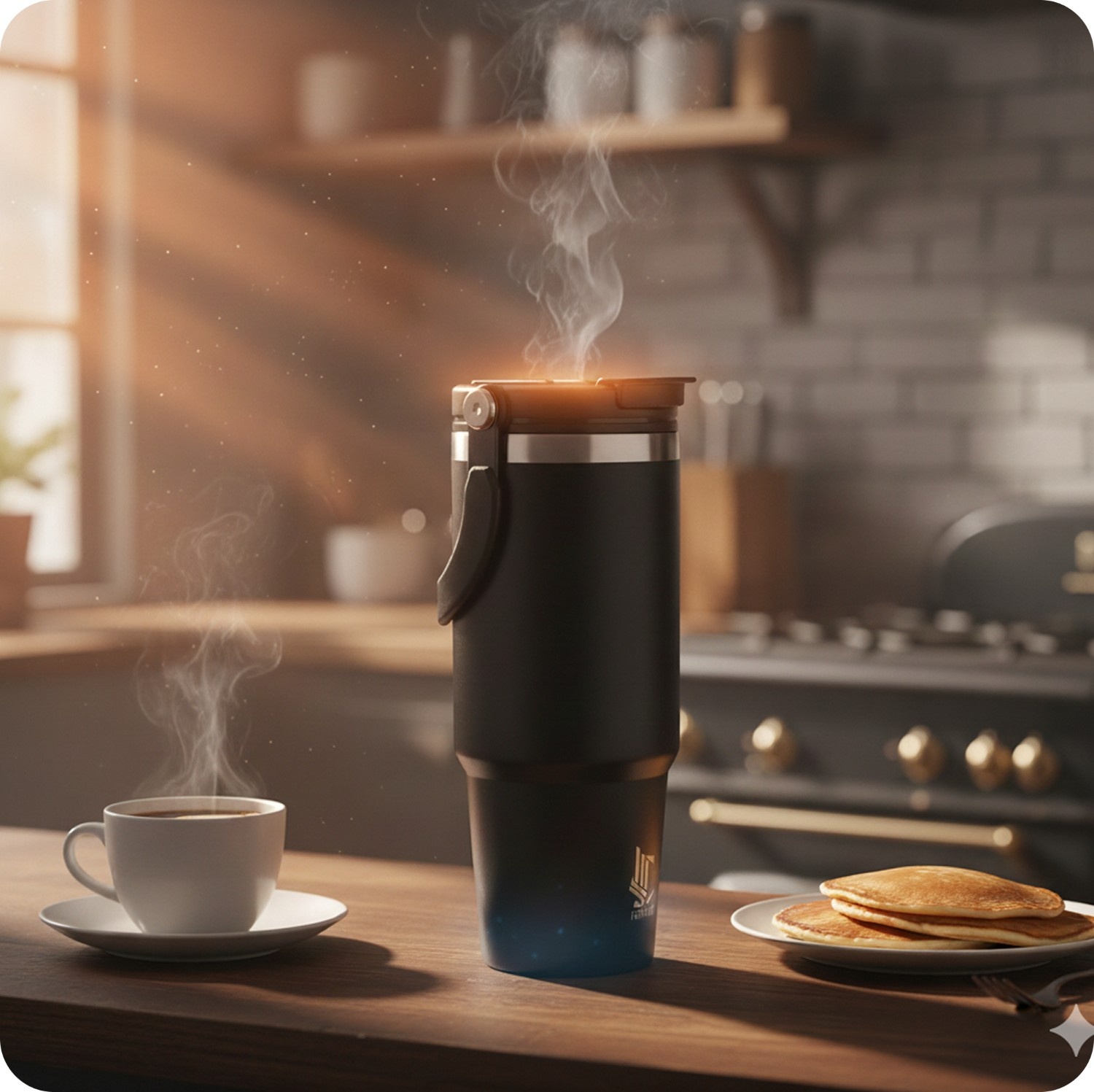
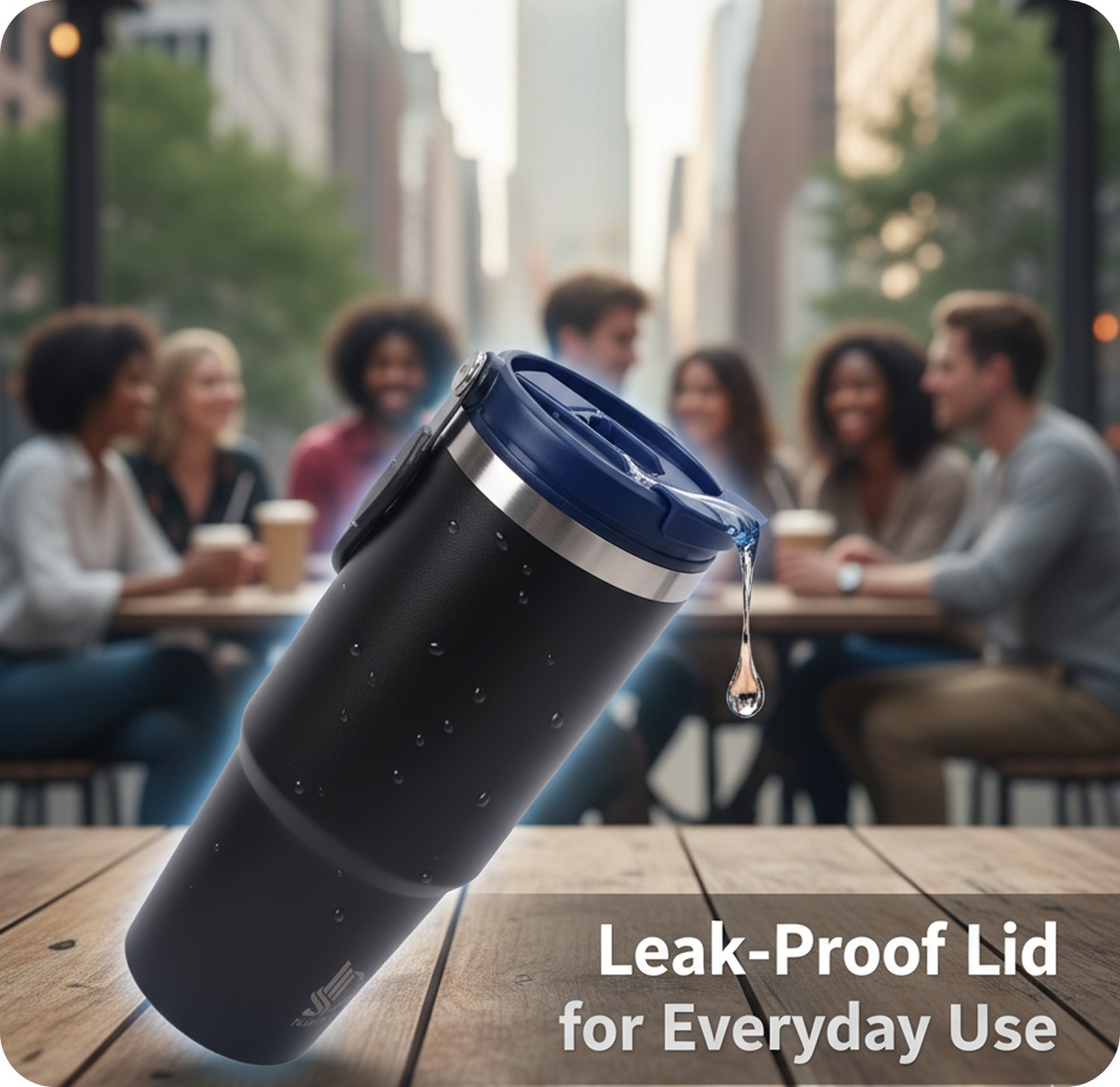
Glass bottles offer zero insulation. Pour cold water into a glass bottle, and it will reach room temperature within 1-2 hours in UAE conditions. Leave it in a car, and your cold drink becomes unpleasantly warm in 30 minutes. <strong>Double-wall vacuum insulated stainless steel</strong> creates an airless barrier between the inner and outer walls that prevents heat transfer through conduction or convection. Our testing shows ice remaining frozen for 24+ hours and hot coffee staying above 65°C for 12+ hours. This isn't just about comfort—it's about safety (preventing bacterial growth in lukewarm water) and enjoyment. For commuters, outdoor workers, or anyone who needs their beverage to maintain temperature throughout the day, stainless steel is the only viable option.
- 24+ Hours Ice Cold Retention
- 12+ Hours Hot Temperature Hold
- Sweat-Free Exterior Design
Practical Considerations for UAE Life
Weight, Portability & Real-World Use
The bottle that's 'best' on paper means nothing if it doesn't fit seamlessly into your daily routine and UAE lifestyle.
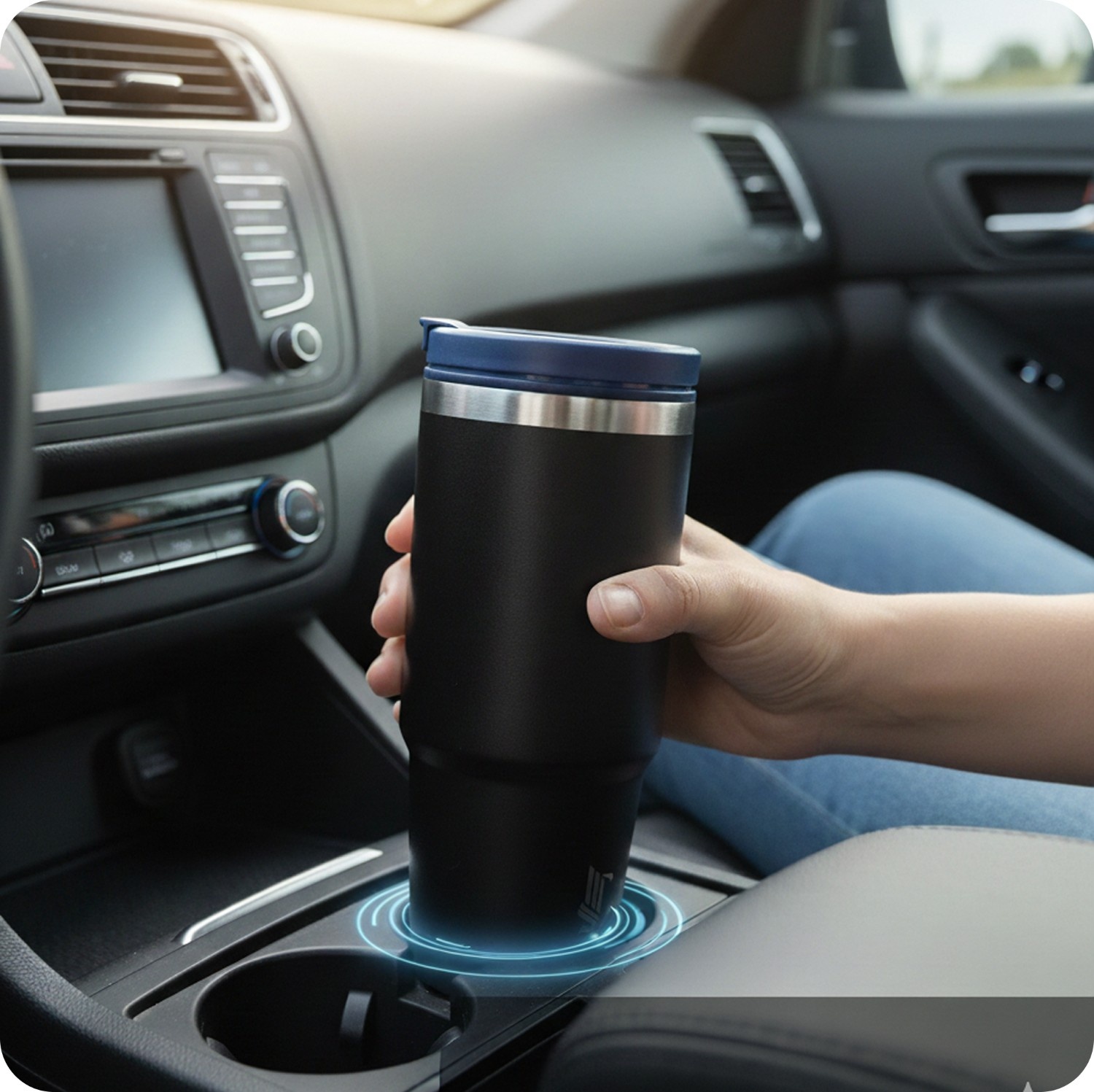
Glass bottles are significantly heavier than stainless steel of equivalent capacity—a 750ml glass bottle typically weighs 400-500g empty, while a comparable stainless steel bottle weighs 250-350g. This weight difference becomes fatiguing during commutes, gym sessions, or when children carry bottles to school. Glass also conducts temperature, meaning a bottle filled with ice water becomes uncomfortably cold to hold, while hot beverages make the exterior dangerously hot. Stainless steel's double-wall construction keeps the exterior at a comfortable temperature regardless of contents. Glass bottles often don't fit standard car cup holders due to their protective sleeves. For anyone who spends time driving in the UAE—which is nearly everyone—this daily inconvenience adds up. Stainless steel bottles are engineered with tapered bases specifically designed for cup holder compatibility.
- 30-40% Lighter Than Glass
- Cup Holder Compatible Design
- Comfortable to Hold at Any Temperature
Ready to choose the bottle that matches your lifestyle?
Get Expert Advice
STAY HYDRATED. STAY STYLISH.
Our premium tumblers keep your drinks at the perfect temperature all day long. Whether you're at work, at the gym, or on the go, experience the perfect sip every time with our leak-proof and durable designs.
Frequently Asked Questions
Everything you need to know about our products. Can’t find the answer you’re looking for? Feel free to contact us.
From a pure toxicology and materials science standpoint, borosilicate glass and food-grade 18/8 stainless steel are both completely inert materials that won't react with your beverages or release any harmful substances. Glass is essentially melted sand (silicon dioxide) that's chemically stable, while quality stainless steel creates a passive chromium oxide layer that prevents any metal ions from entering your water. Neither material contains BPA, phthalates, or other endocrine disruptors found in plastics. The safety difference comes down to physical safety: glass can shatter into sharp fragments that pose injury risks, particularly concerning for children or active use. Stainless steel is virtually indestructible. So while both are equally safe from a chemical exposure perspective, stainless steel adds physical safety that glass cannot match.
This is one of the most common myths about stainless steel bottles. Premium food-grade stainless steel is completely taste-neutral—it's the same material used in professional wine and coffee tasting equipment precisely because it doesn't affect flavor. If you experience a metallic taste from a stainless steel bottle, it indicates one of two problems: either the steel is low-grade (not true 18/8), or the interior wasn't properly electropolished during manufacturing. Our bottles undergo a specialized electropolishing process that removes any surface impurities and creates an ultra-smooth interior that's completely inert. Glass does have a slight advantage in that it's impossible to manufacture poorly from a taste perspective—glass is glass. But when comparing quality products, blind taste tests show no detectable difference between water from glass versus premium stainless steel bottles. Both preserve the pure taste of your beverage perfectly.
This is a genuine concern in the UAE that many people don't consider until it happens. Thermal shock occurs when glass experiences rapid temperature changes, causing different parts of the material to expand or contract at different rates, creating stress fractures. Common UAE scenarios that cause this: taking a glass bottle from a 16°C air-conditioned office to a 45°C+ car, pouring ice water into a bottle that's been sitting in a hot car, or even putting a hot glass bottle into a cold refrigerator. While borosilicate glass (the type used in quality water bottles) is more resistant to thermal shock than regular glass, it's not immune. We've documented several cases of glass bottles cracking simply from being left in hot cars and then filled with cold water. Stainless steel has no such vulnerability—the double-wall vacuum insulation actually prevents the outer wall from experiencing the temperature of the contents, eliminating thermal stress entirely.
Both materials are massive environmental improvements over single-use plastics, so choosing either is a win for the planet. From a manufacturing perspective, glass production requires less energy than stainless steel production, giving glass a slight edge in initial carbon footprint. However, environmental impact isn't just about production—it's about the total lifecycle. Glass bottles, due to their fragility, typically last 1-3 years before breaking and requiring replacement. Quality stainless steel bottles can easily last 10-20+ years with proper care. When you factor in the environmental cost of manufacturing multiple replacement glass bottles versus one stainless steel bottle that lasts decades, stainless steel often comes out ahead in total environmental impact. Additionally, stainless steel is one of the most recycled materials globally (recycling rate above 80%), and recycled steel requires 70% less energy than virgin steel production. Both are excellent choices, but stainless steel's longevity gives it an edge for long-term environmental impact.
Glass actually performs poorly for hot beverages for several reasons. First, glass conducts heat rapidly, meaning the exterior of a glass bottle becomes dangerously hot when filled with coffee or tea—creating a burn risk and making it uncomfortable or impossible to hold without a protective sleeve. Second, glass offers zero insulation, so your hot beverage cools to lukewarm within 30-60 minutes, even faster in air-conditioned environments. Third, the rapid temperature change can cause thermal stress in the glass. Double-wall vacuum insulated stainless steel solves all these problems: it keeps beverages hot for 12+ hours, maintains a comfortable exterior temperature (you can hold it normally even with boiling water inside), and the vacuum barrier prevents any thermal stress. For morning coffee that stays hot during your entire commute, or tea that remains drinkable throughout a long meeting, insulated stainless steel is the clear winner.
We believe in honest guidance, so here are scenarios where glass might be the right choice: 1) Stationary desktop use – If your bottle never leaves your desk and isn't around children or pets, glass's breakability becomes less concerning. 2) Aesthetic preference – Some people simply love seeing their water or infused drinks through clear glass and prioritize this visual appeal over practical considerations. 3) Frequently refilled – If you work from home with easy access to your refrigerator and refill every hour, temperature retention becomes less important. 4) Chemical sensitivity – While rare, some individuals with extreme chemical sensitivities feel more comfortable with glass's absolute certainty of zero metal content. However, for the vast majority of UAE residents who commute, exercise, travel, have children, need temperature control, or want a bottle that lasts years without replacement, stainless steel is the more practical choice. It's not that glass is bad—it's just optimized for a narrower range of use cases.
OUR PRODUCTS
Discover our complete range of premium tumbler bottles designed for eco-conscious hydration on the go.
Shop Tumbler BottlesFIND A RETAILER
Nuaims Evergreen tumbler bottles are available to purchase online at www.nuaimsevergreen.com and in-store at retailers across the United Arab Emirates. Contact your preferred retailer to confirm product availability before visiting.
Find a RetailerCONTACT US
Get in touch with us at [email protected] to ask a question or share your experience with our tumbler bottles.
Contact Us