
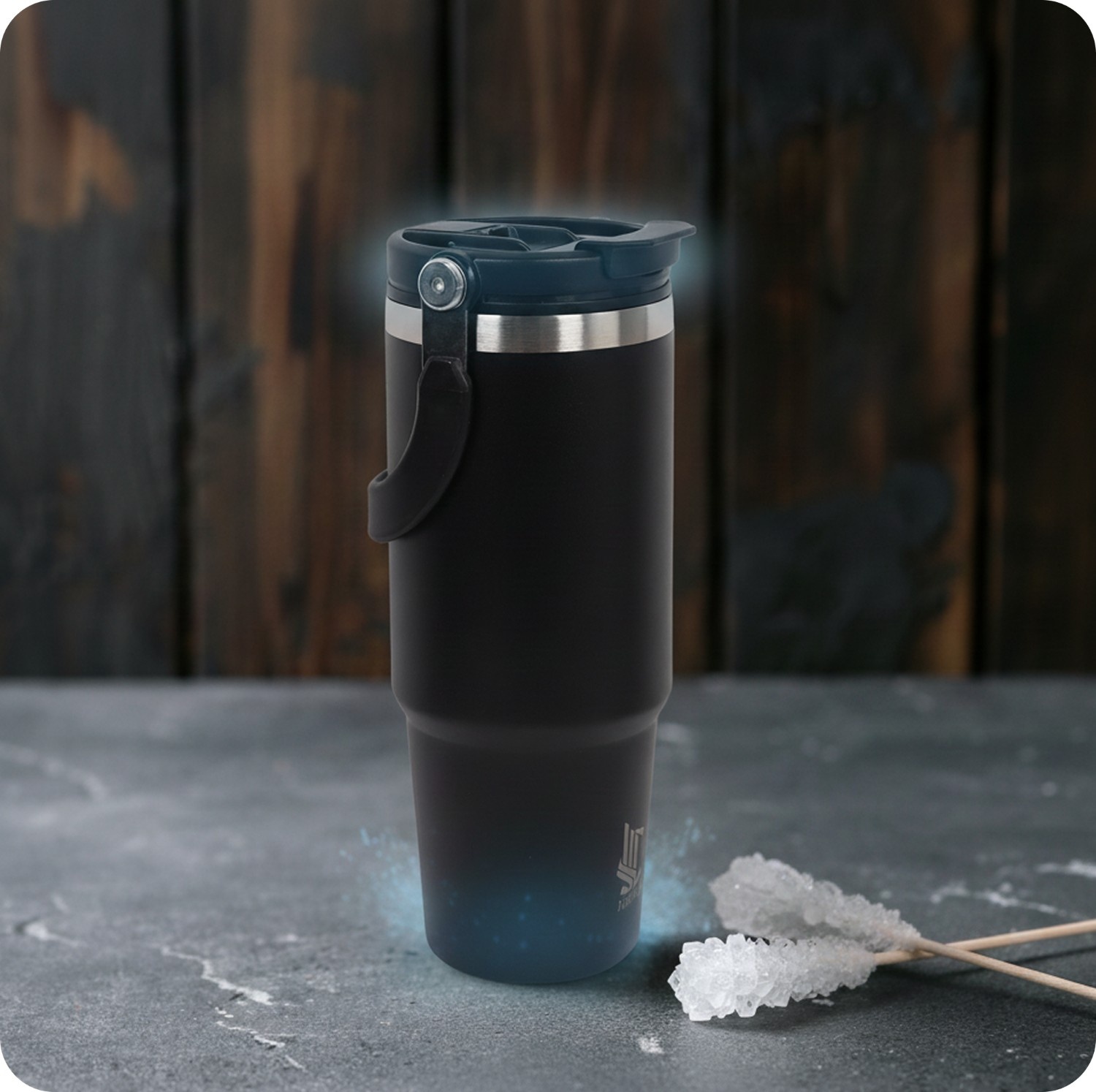
YOUR HEALTH STARTS WITH
Not all water bottles are created equal. In fact, your choice of hydration vessel can significantly impact your health. Learn what makes a water bottle truly safe, which materials to avoid, and why stainless steel is the gold standard for healthy hydration in the UAE.
Explore Safe Options
The Complete Guide to Safe & Healthy Water Bottles
Understanding Materials, Safety Standards & Your Health
Every day, you consume beverages from your water bottle multiple times. But have you ever stopped to consider what that bottle is made of and whether it's leaching chemicals into your drink? With rising awareness about plastic pollution and chemical contamination, choosing the safest and healthiest water bottle has never been more critical. This comprehensive guide will help you make an informed decision that protects both your health and the environment.
The UAE's extreme heat adds an extra layer of concern. When plastic bottles are exposed to high temperatures—whether in your car, at the beach, or during outdoor activities—they can accelerate the release of harmful chemicals into your water. This makes the choice of bottle material even more crucial for residents of Dubai, Abu Dhabi, and across the Emirates.
Scientific research has shown that certain plastics contain endocrine-disrupting chemicals like BPA, BPS, and phthalates that can migrate into beverages, especially when heated. These substances have been linked to various health concerns, making it essential to choose bottles made from inert, non-reactive materials that keep your drinks pure and uncontaminated.
Chemical-Free Hydration
Stainless steel bottles contain zero BPA, BPS, phthalates, or other harmful chemicals that can leach into your beverages.
No Plastic Taste
Food-grade stainless steel is completely non-reactive, ensuring your water tastes exactly as it should—pure and clean.
Heat-Safe Material
Unlike plastic, stainless steel doesn't break down or release toxins when exposed to UAE's extreme temperatures.
Bacteria Resistant
The smooth, non-porous surface of stainless steel naturally resists bacterial growth, making it more hygienic than plastic alternatives.
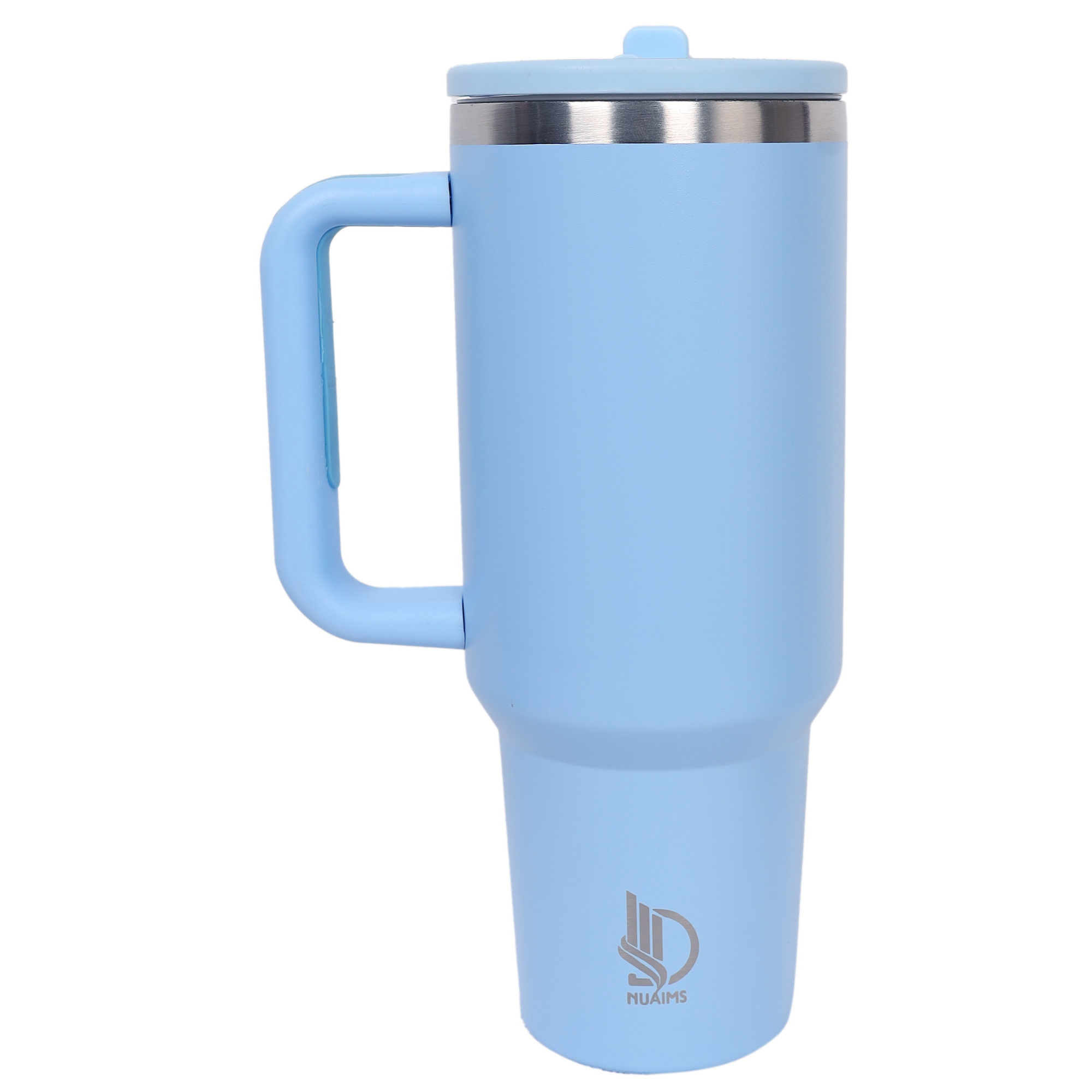
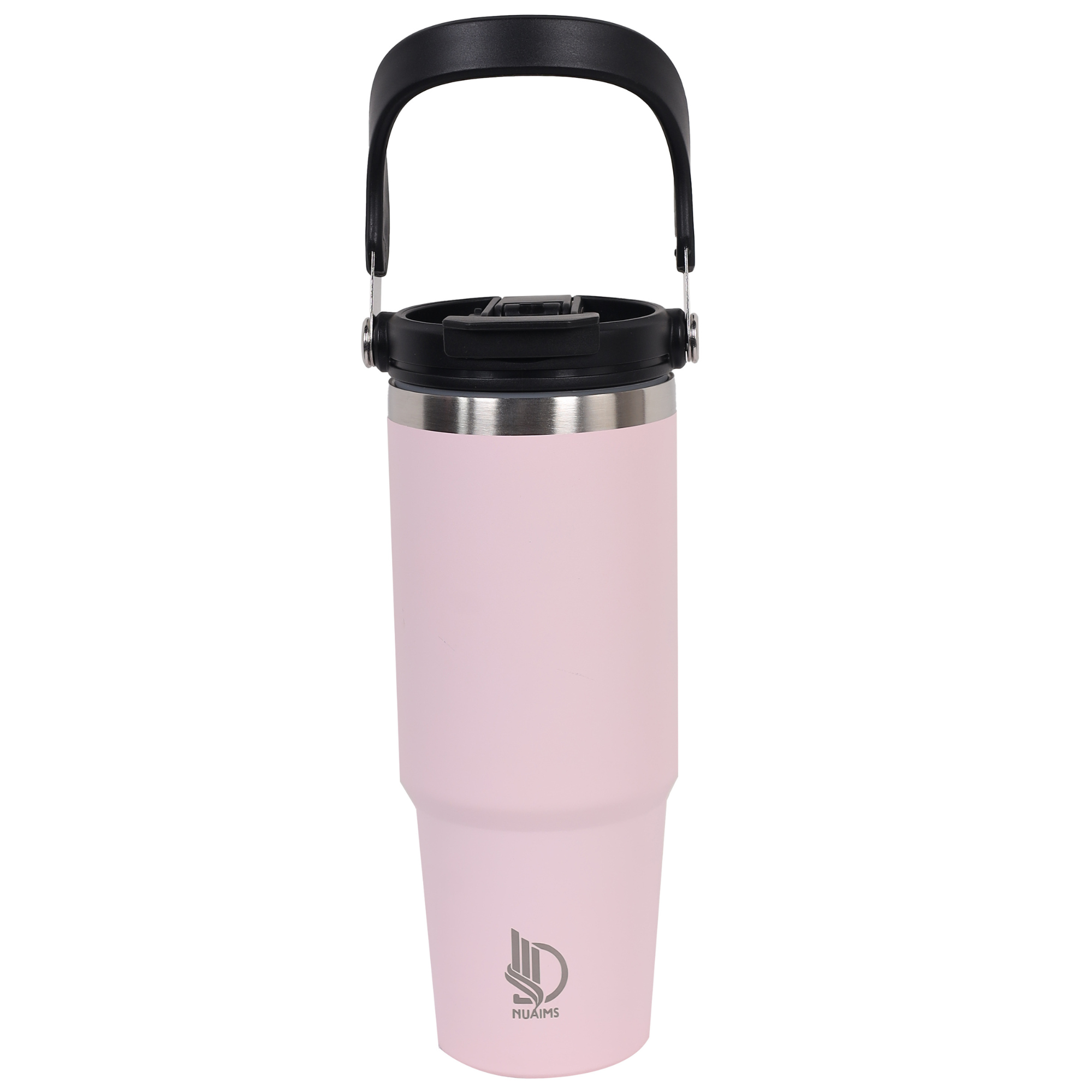
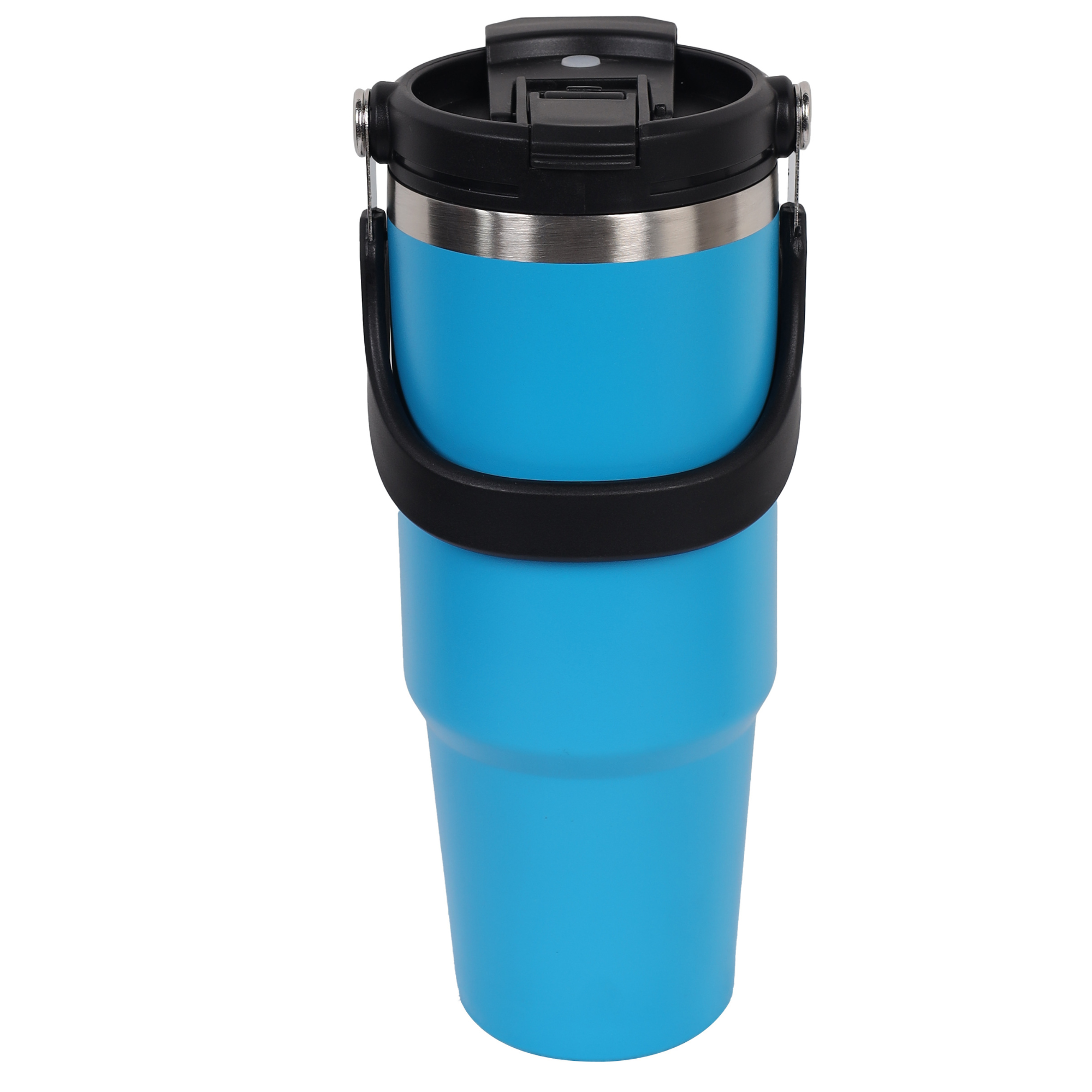
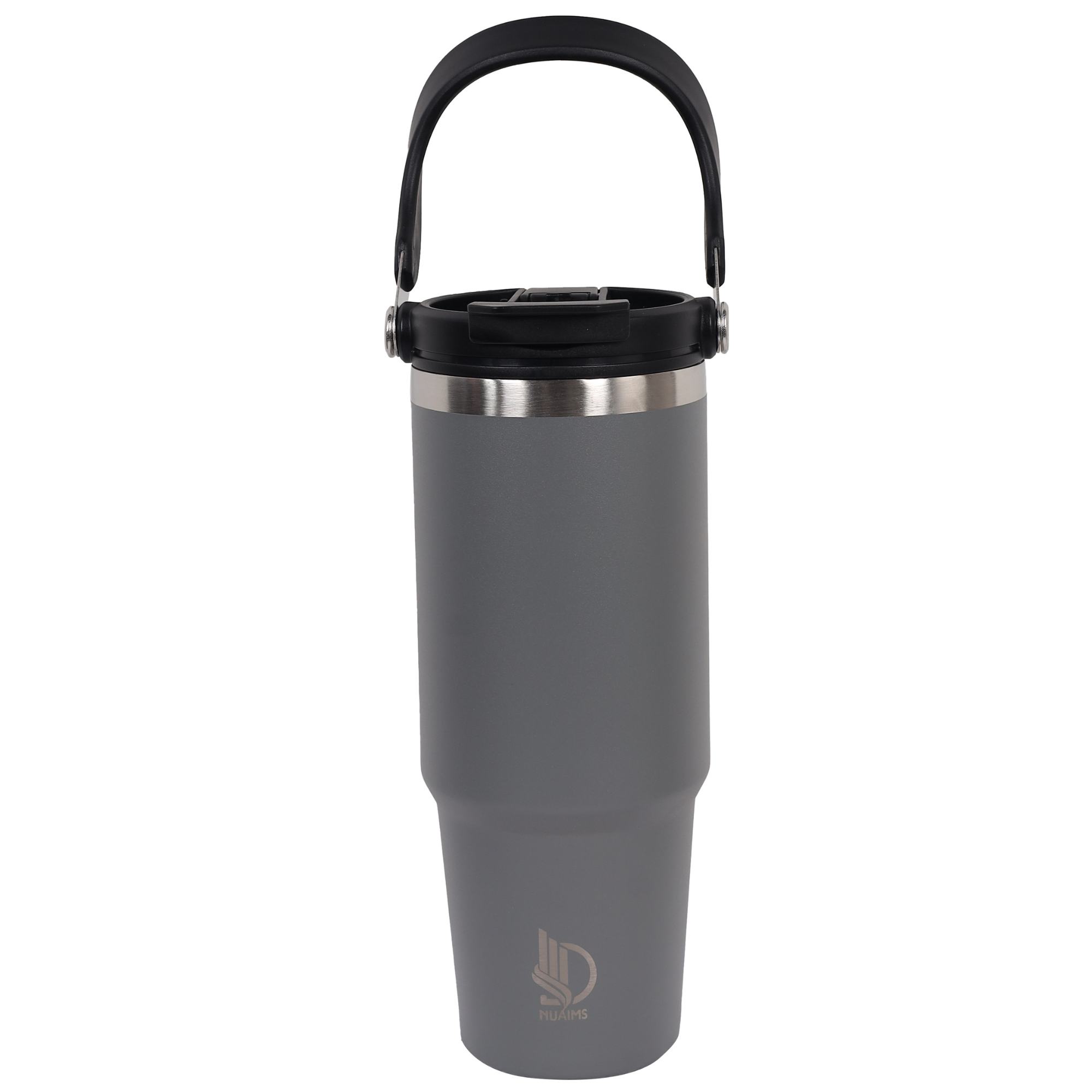
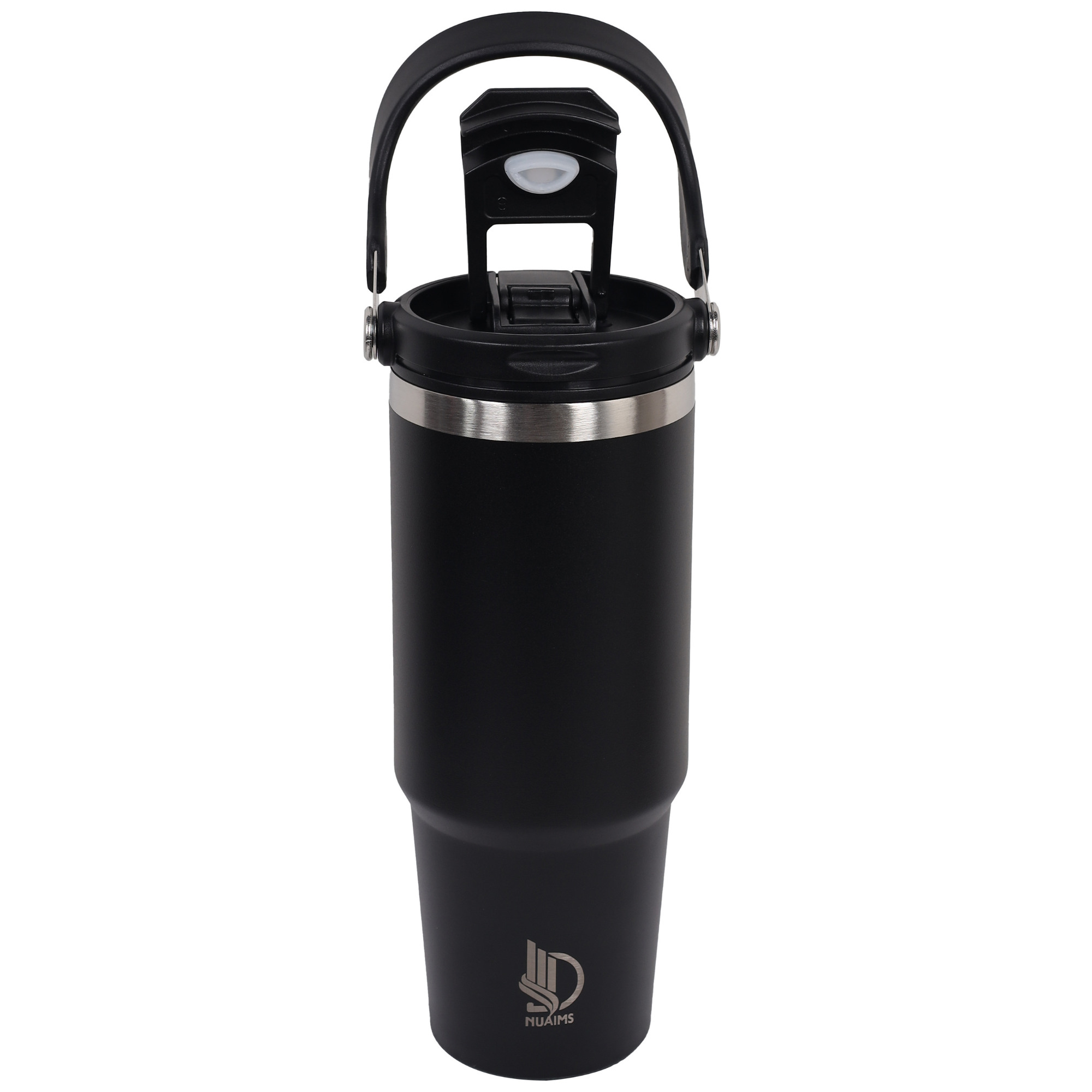
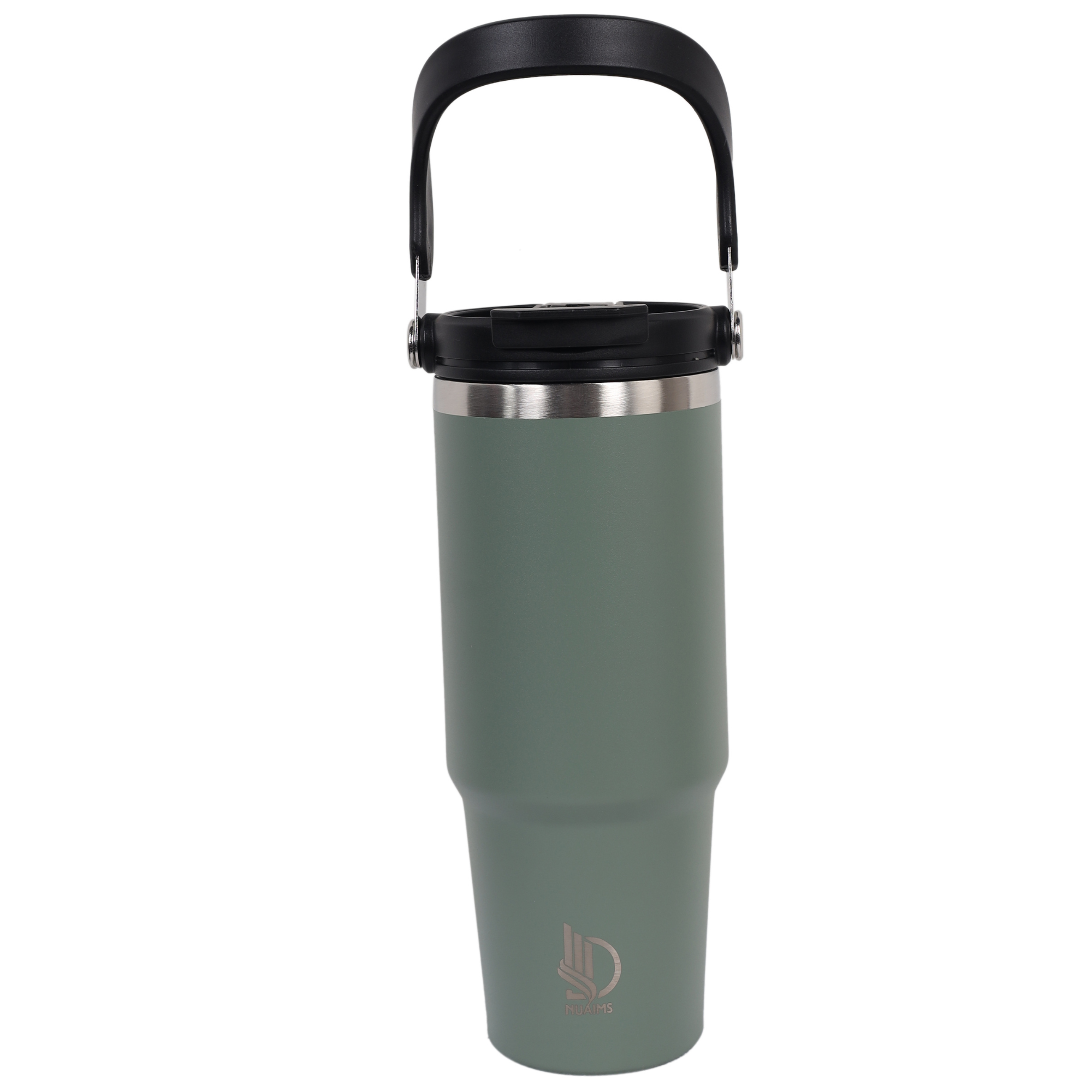
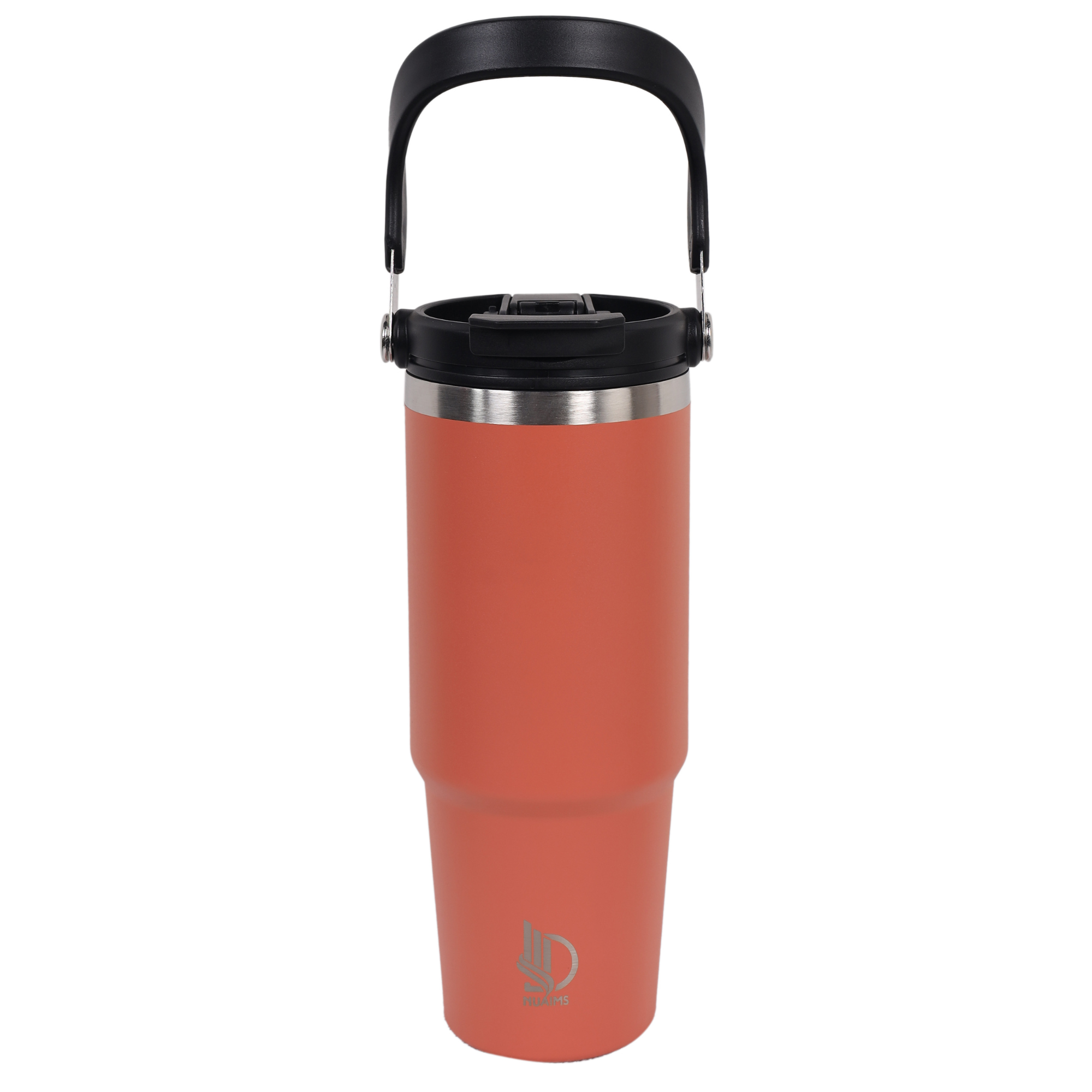
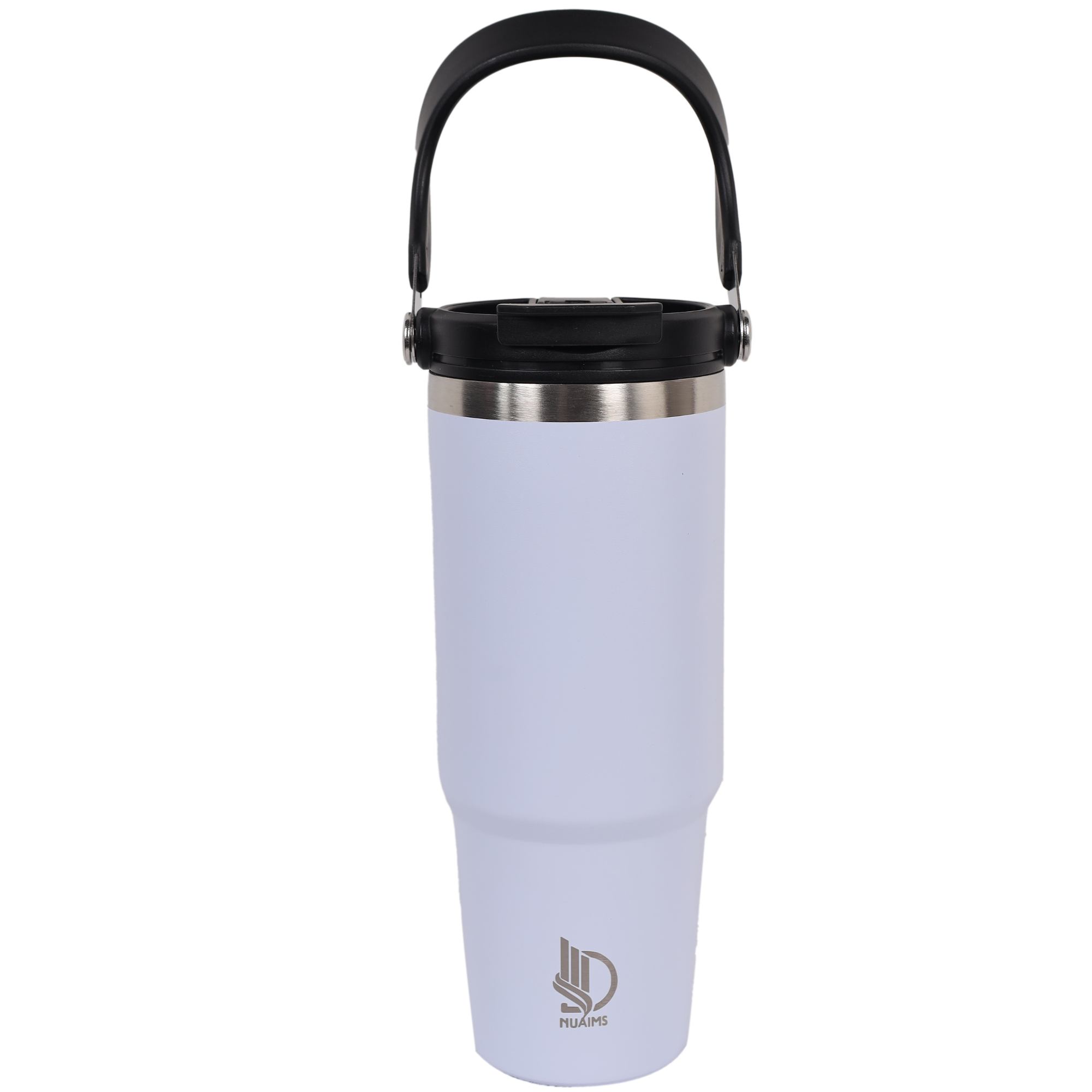
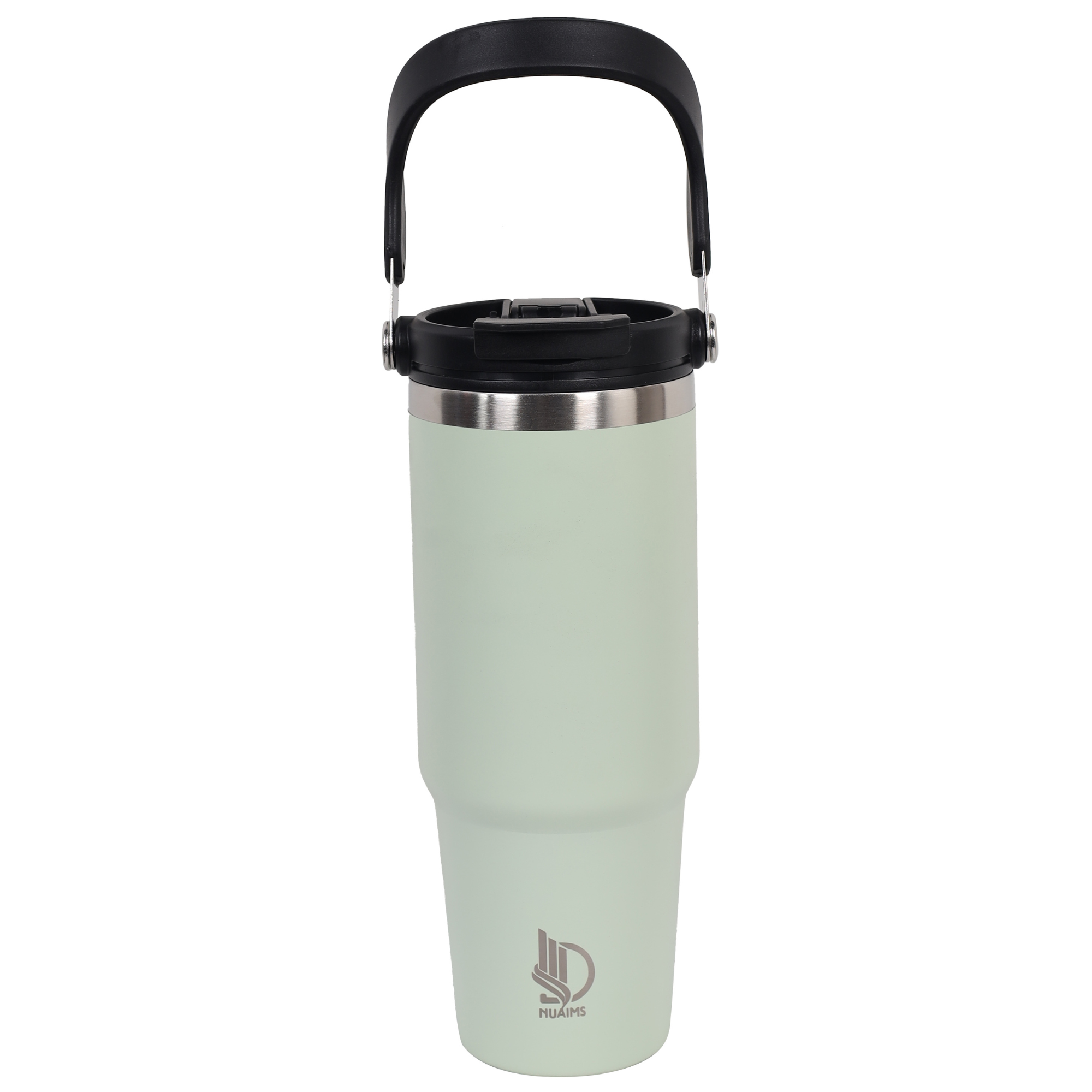
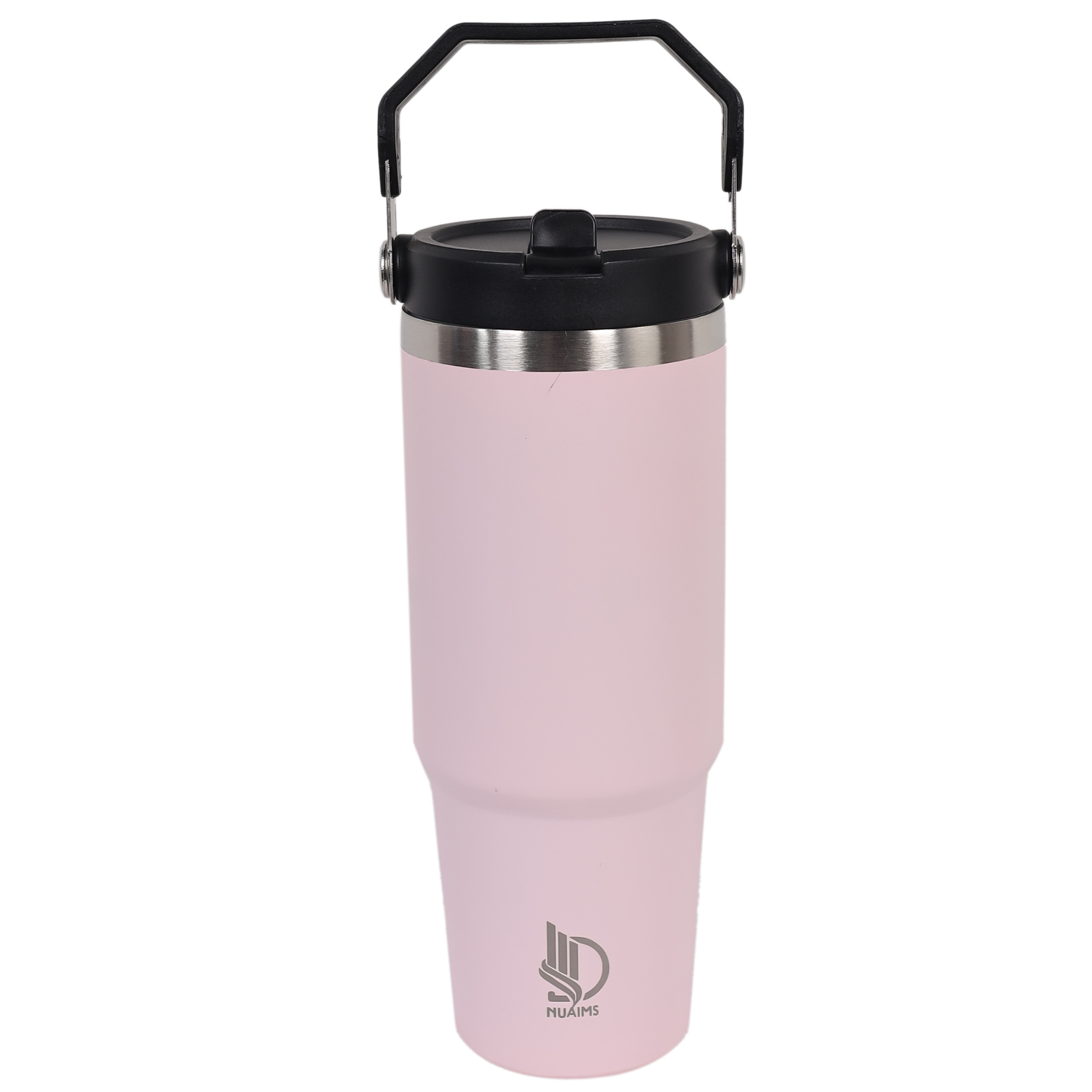
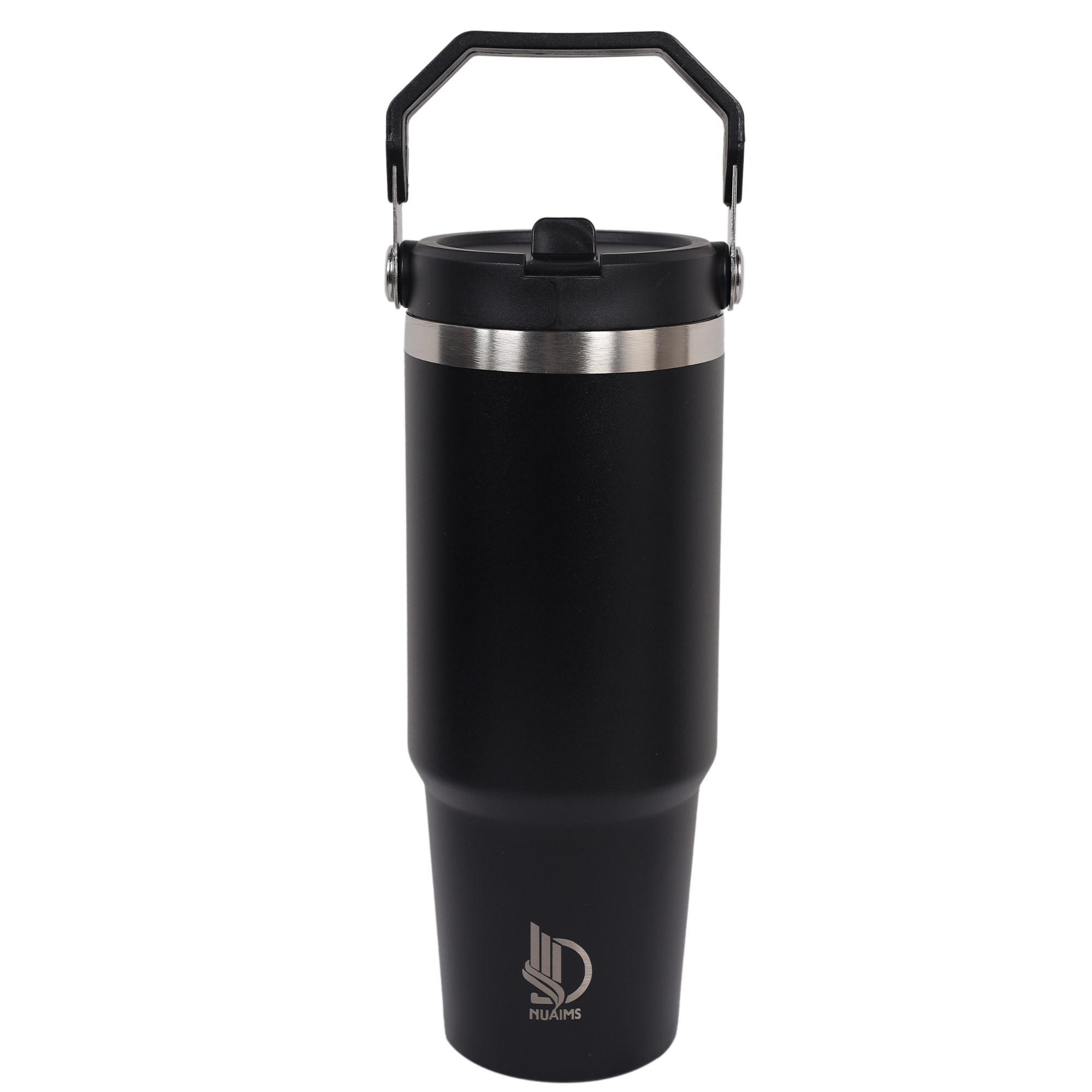
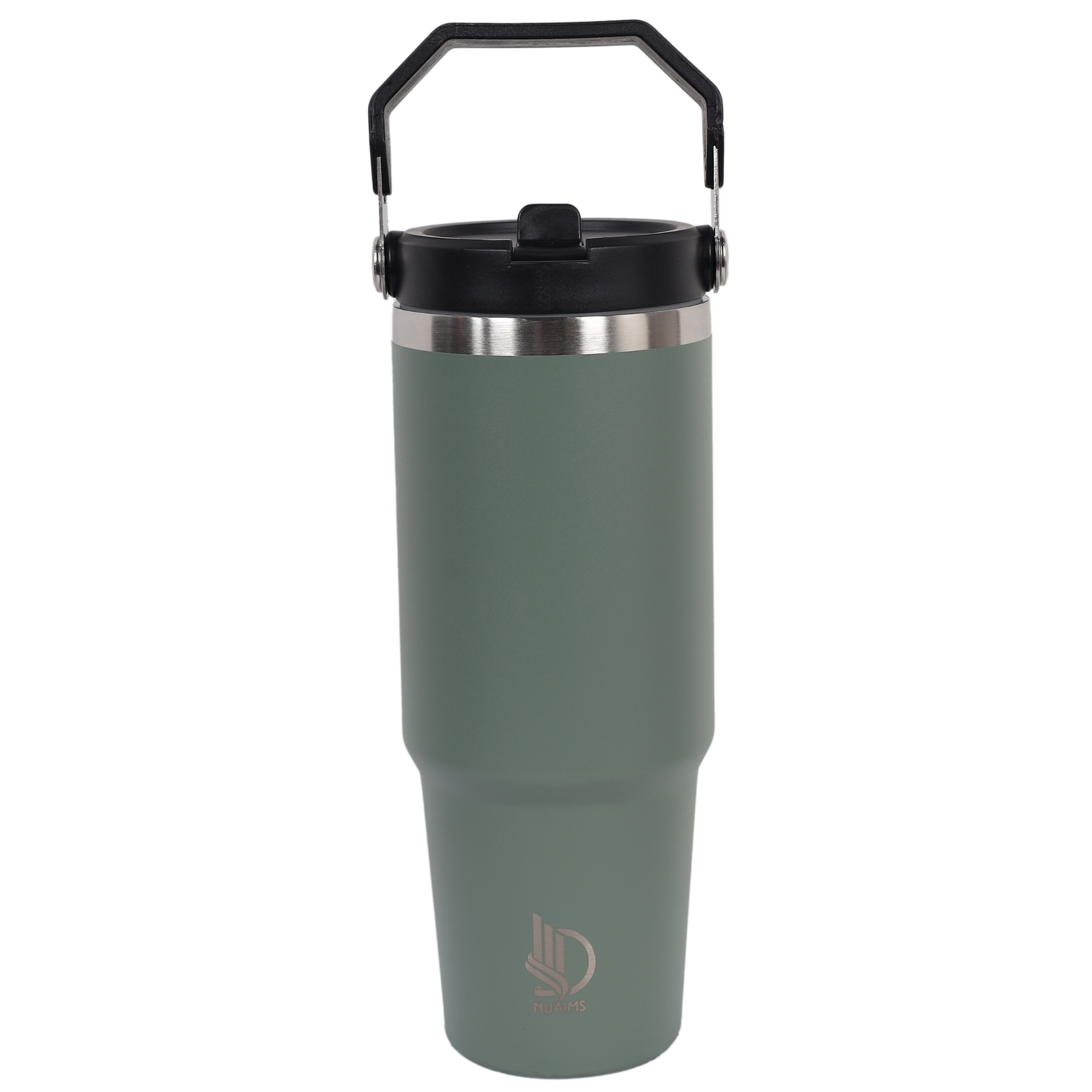
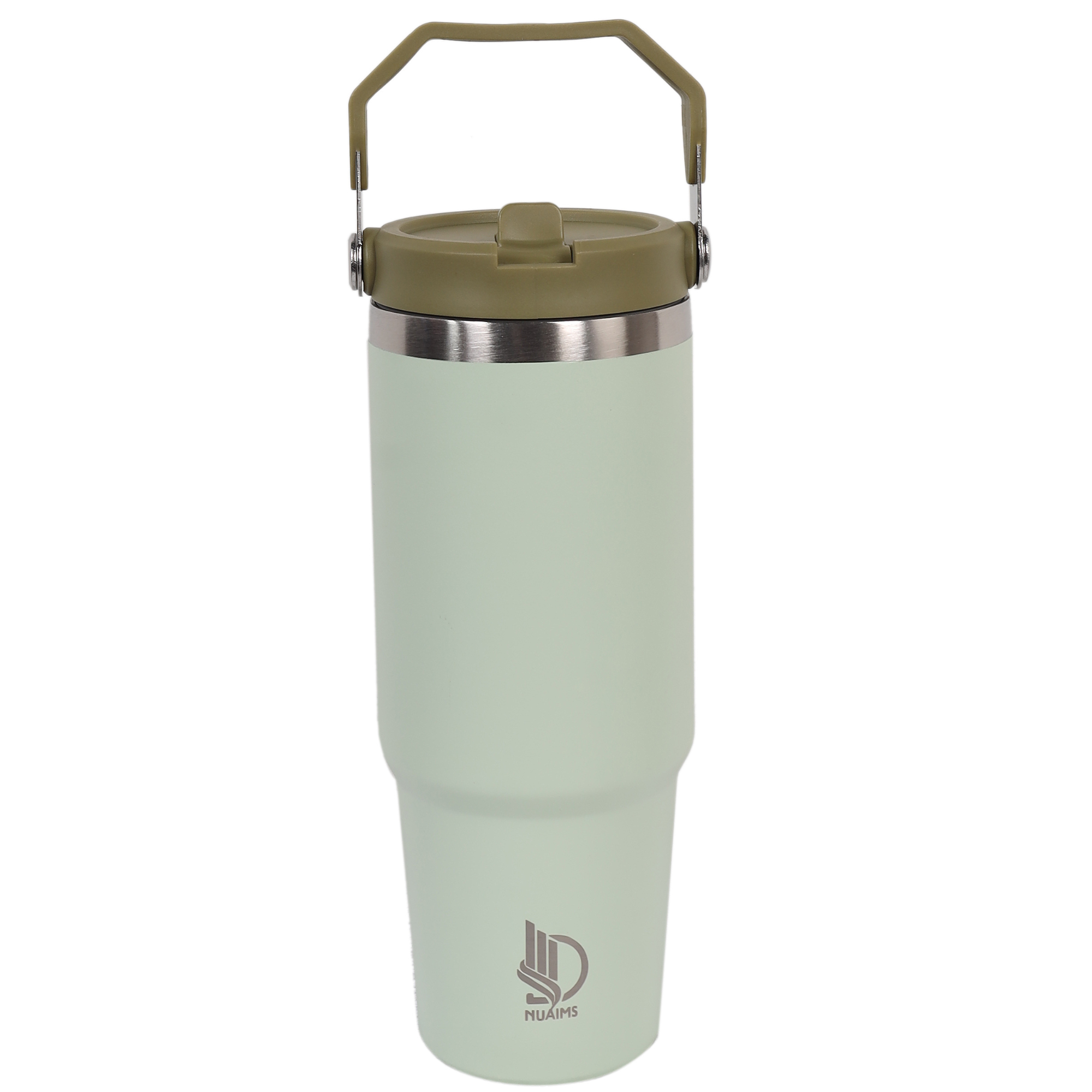
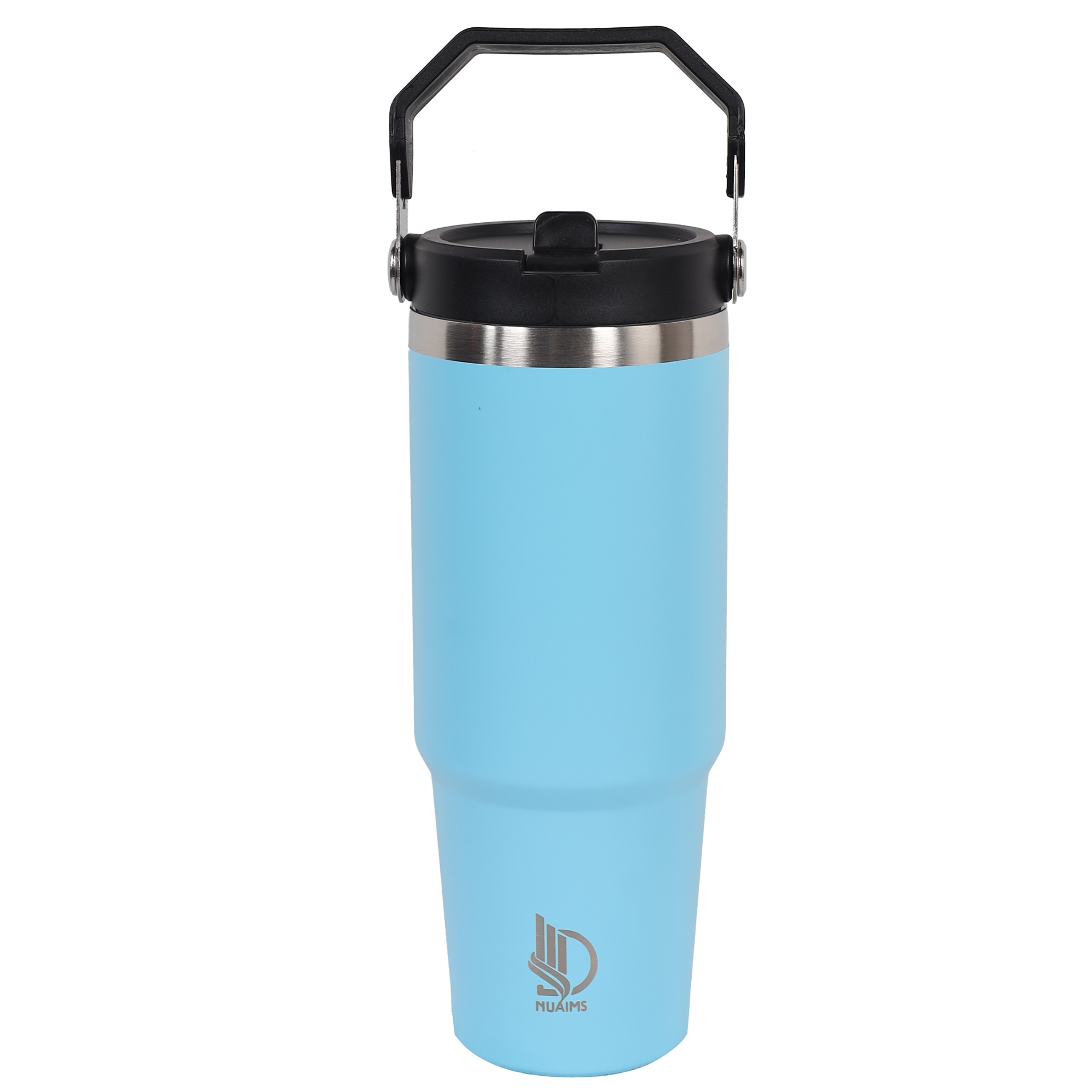
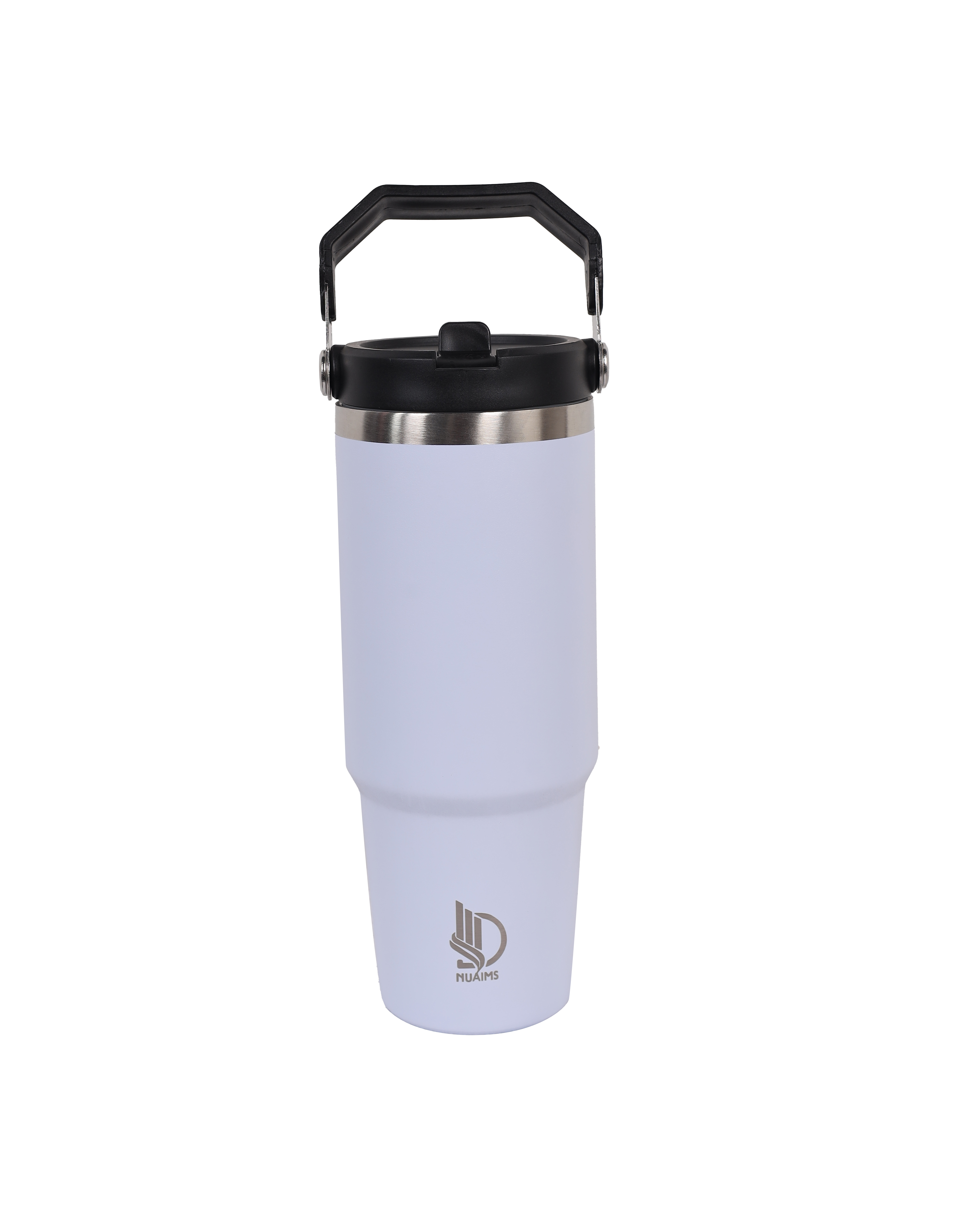
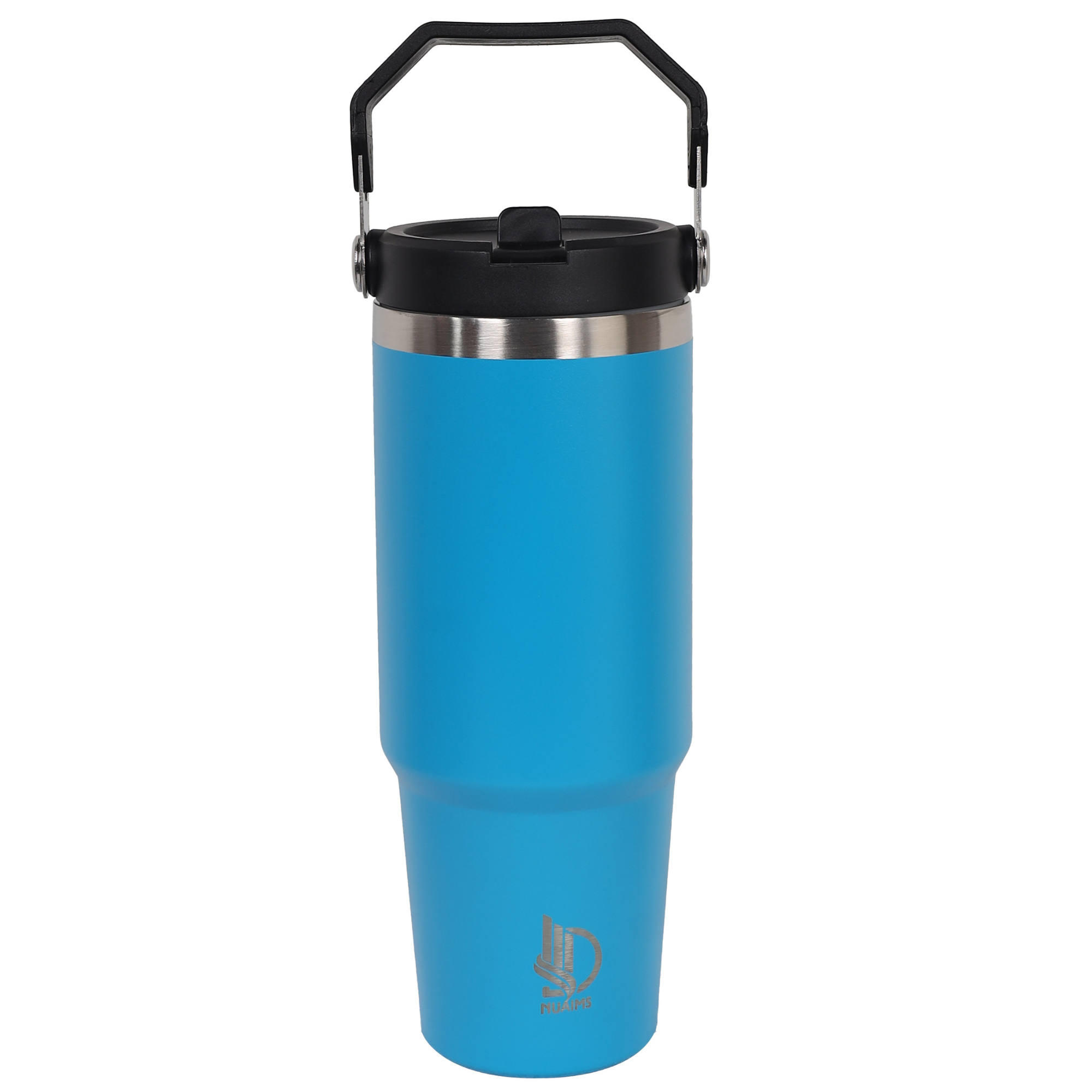
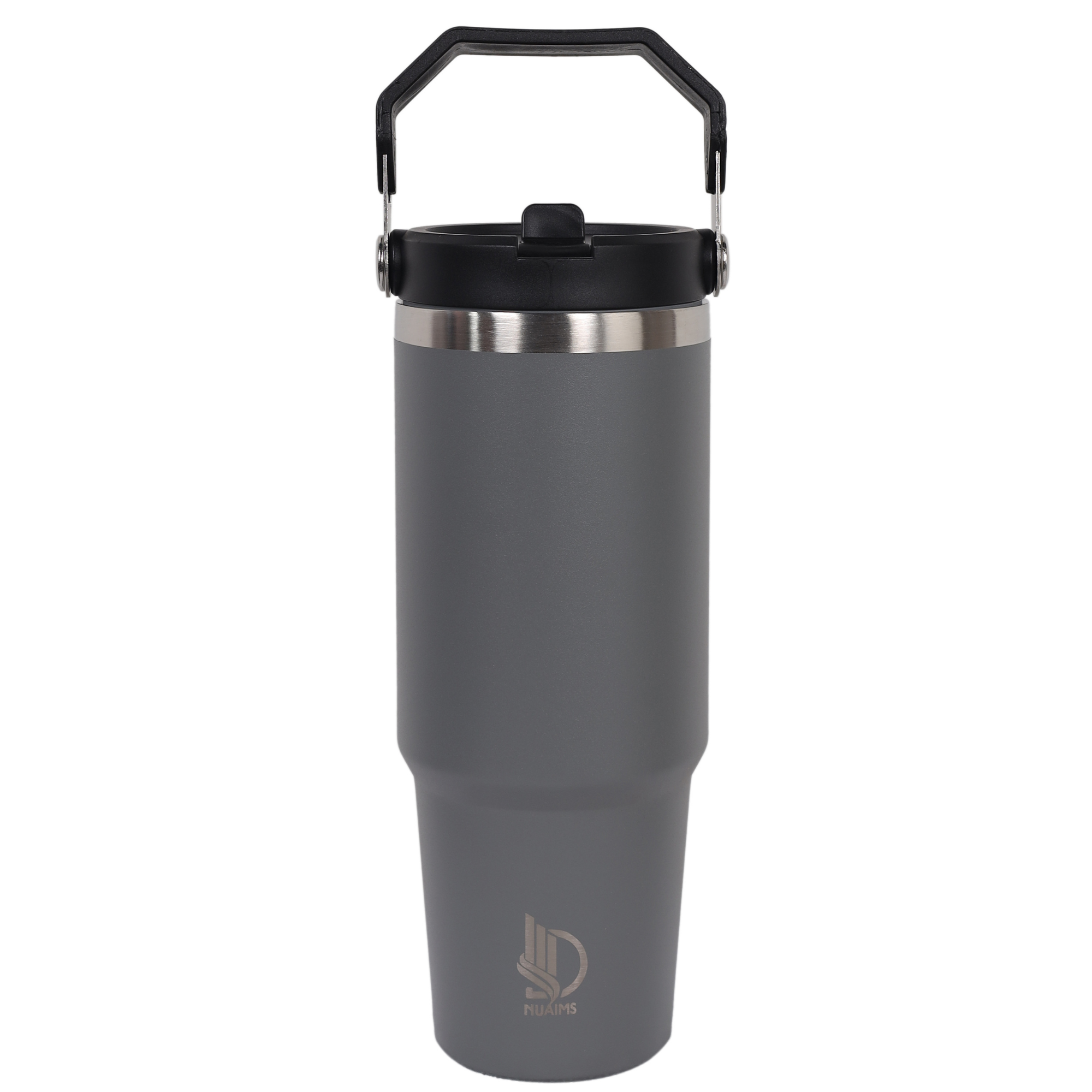
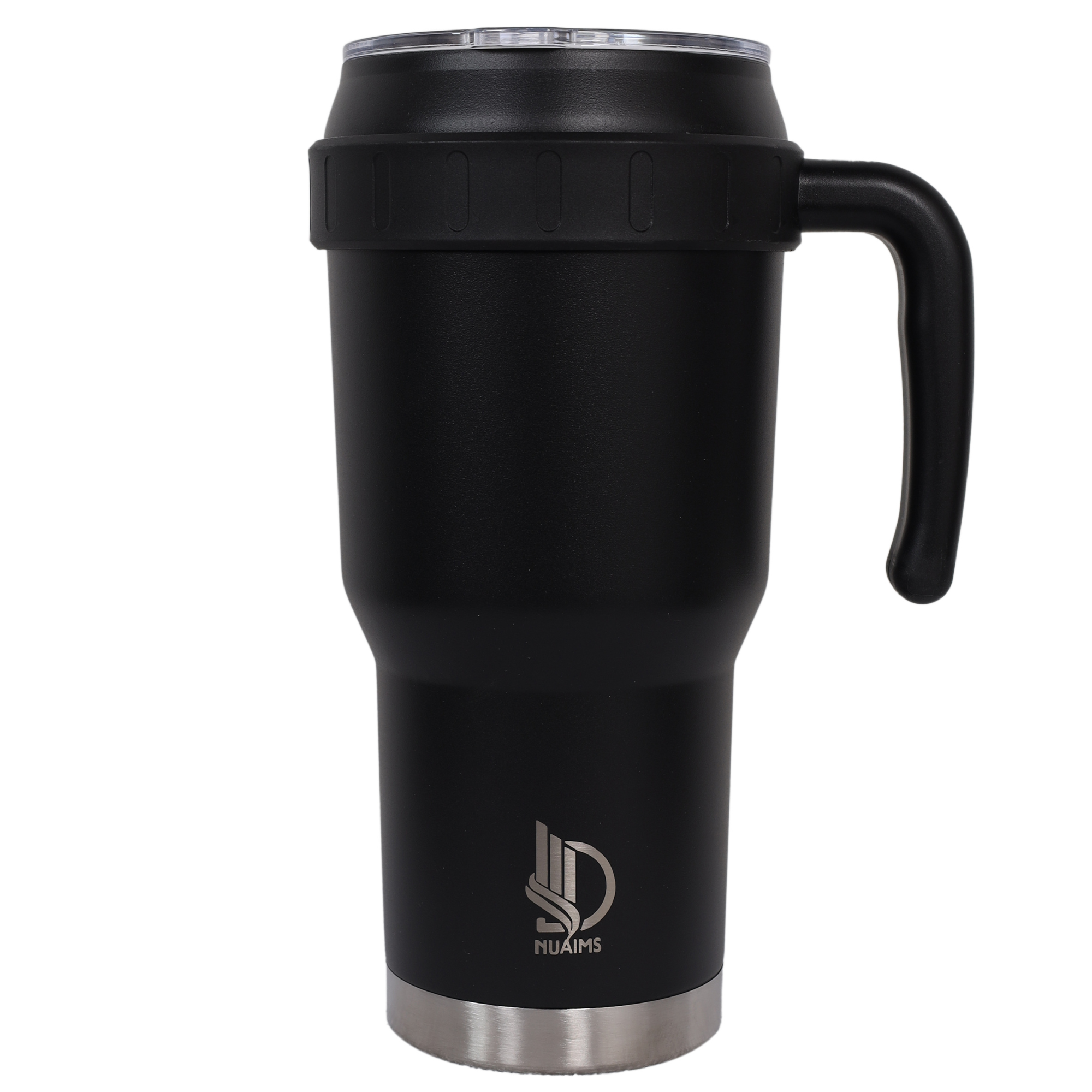
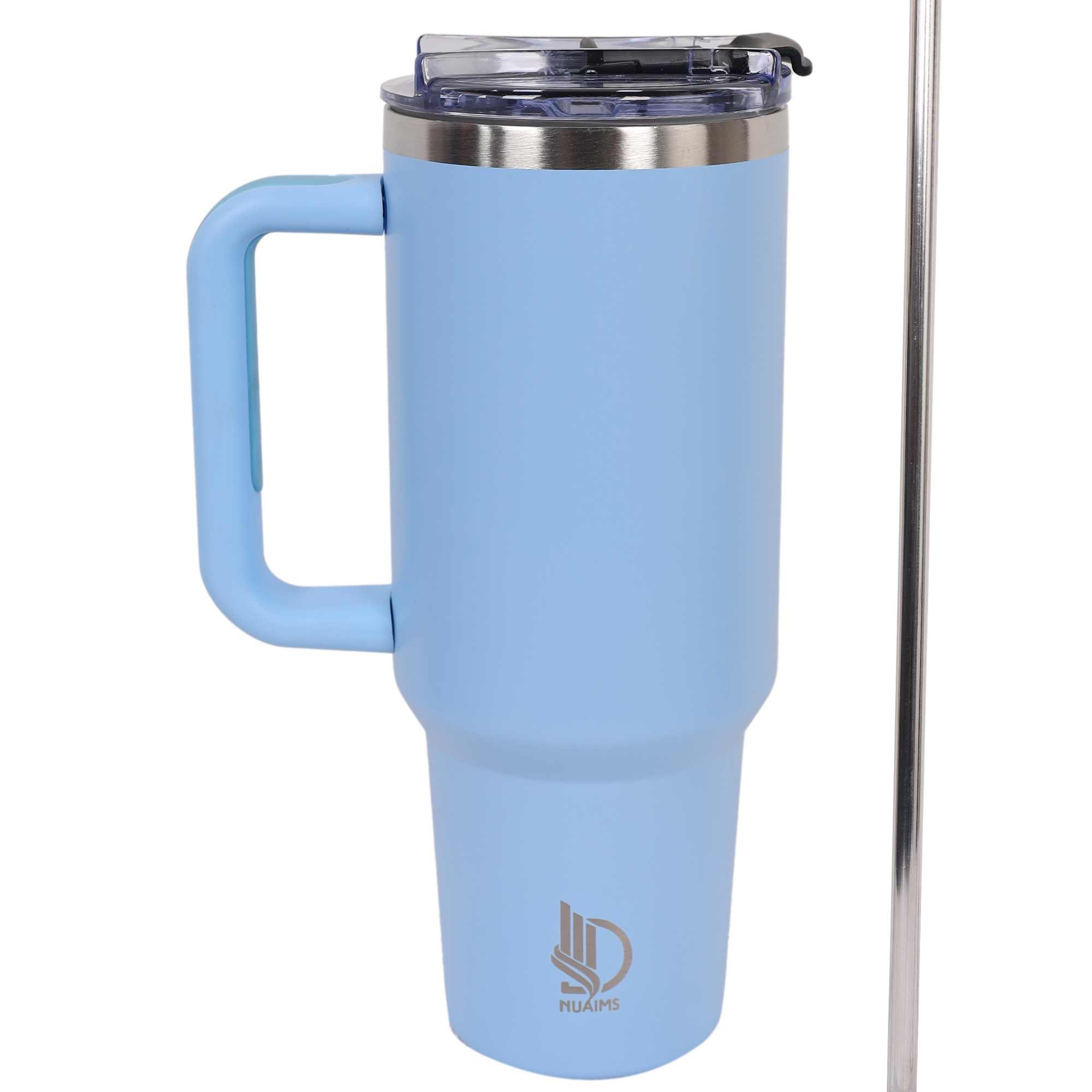
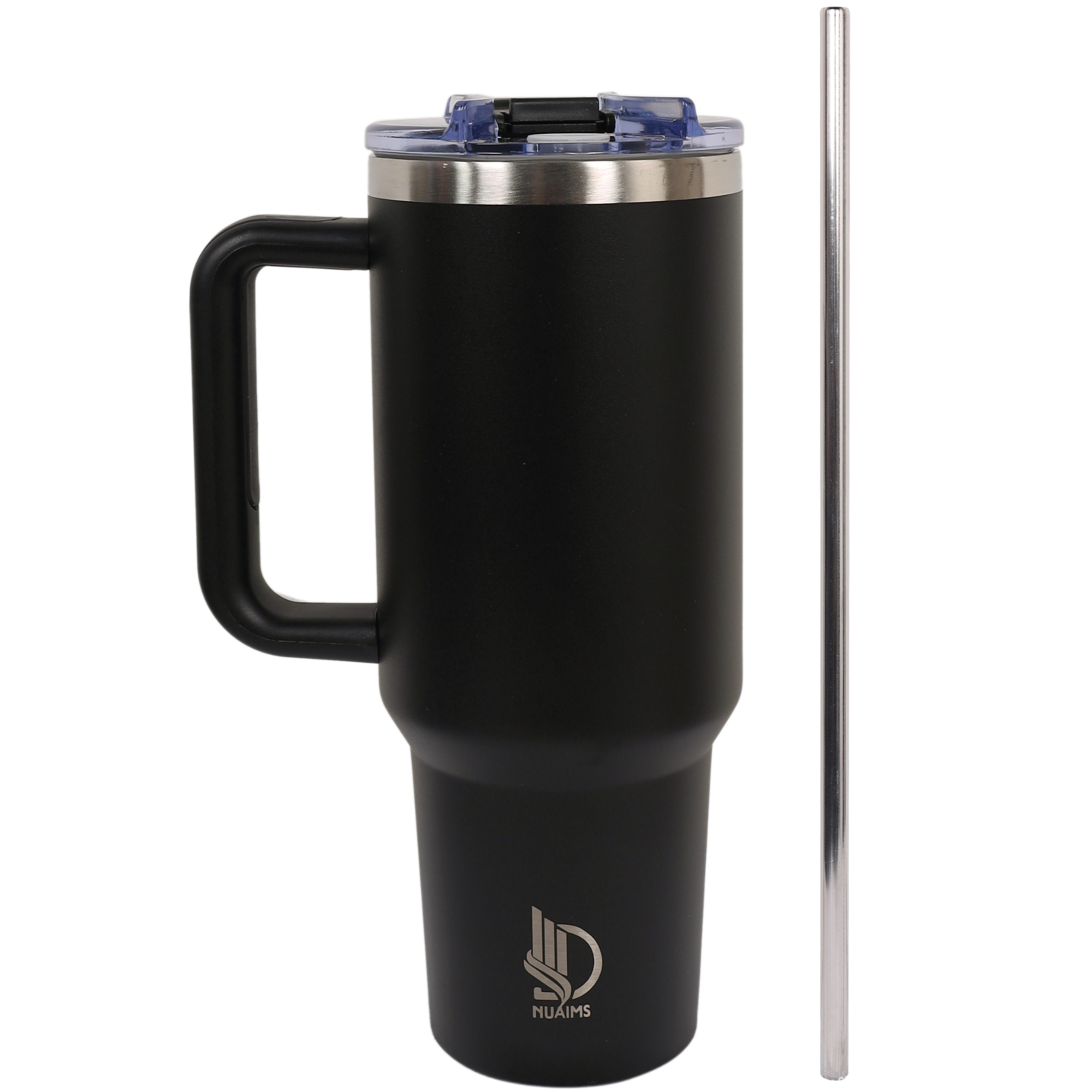
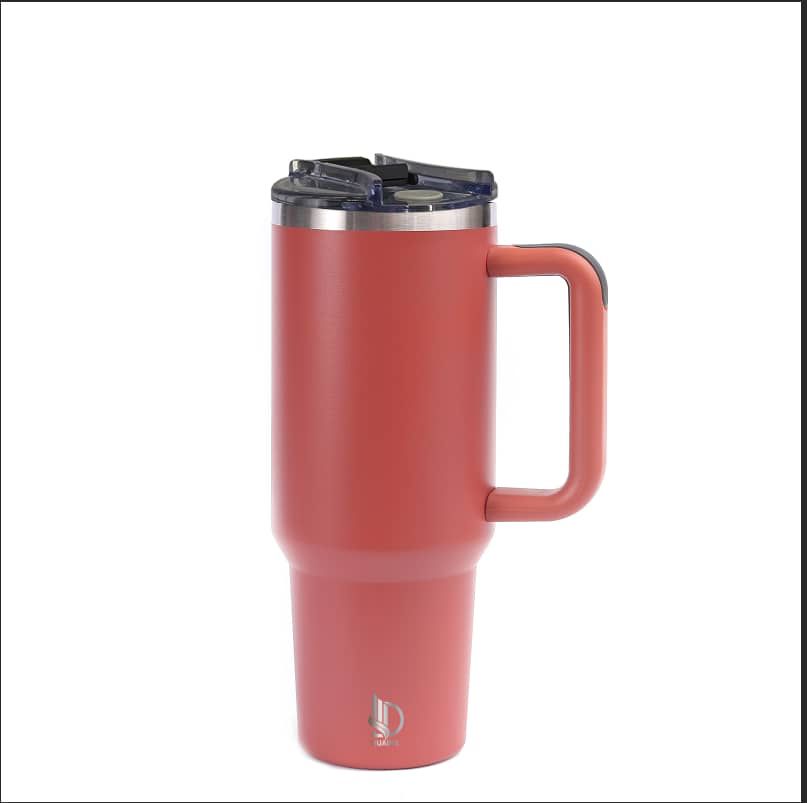
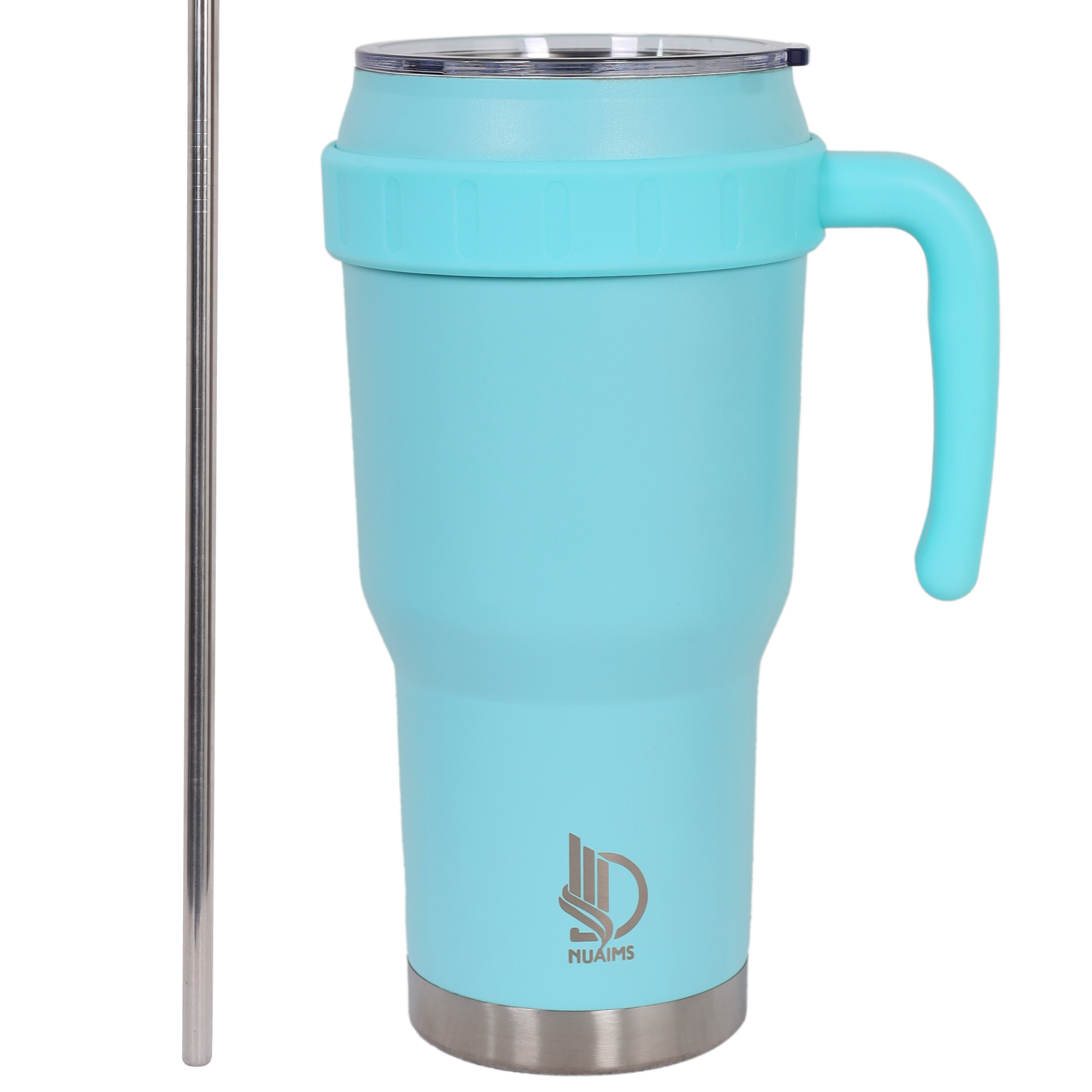
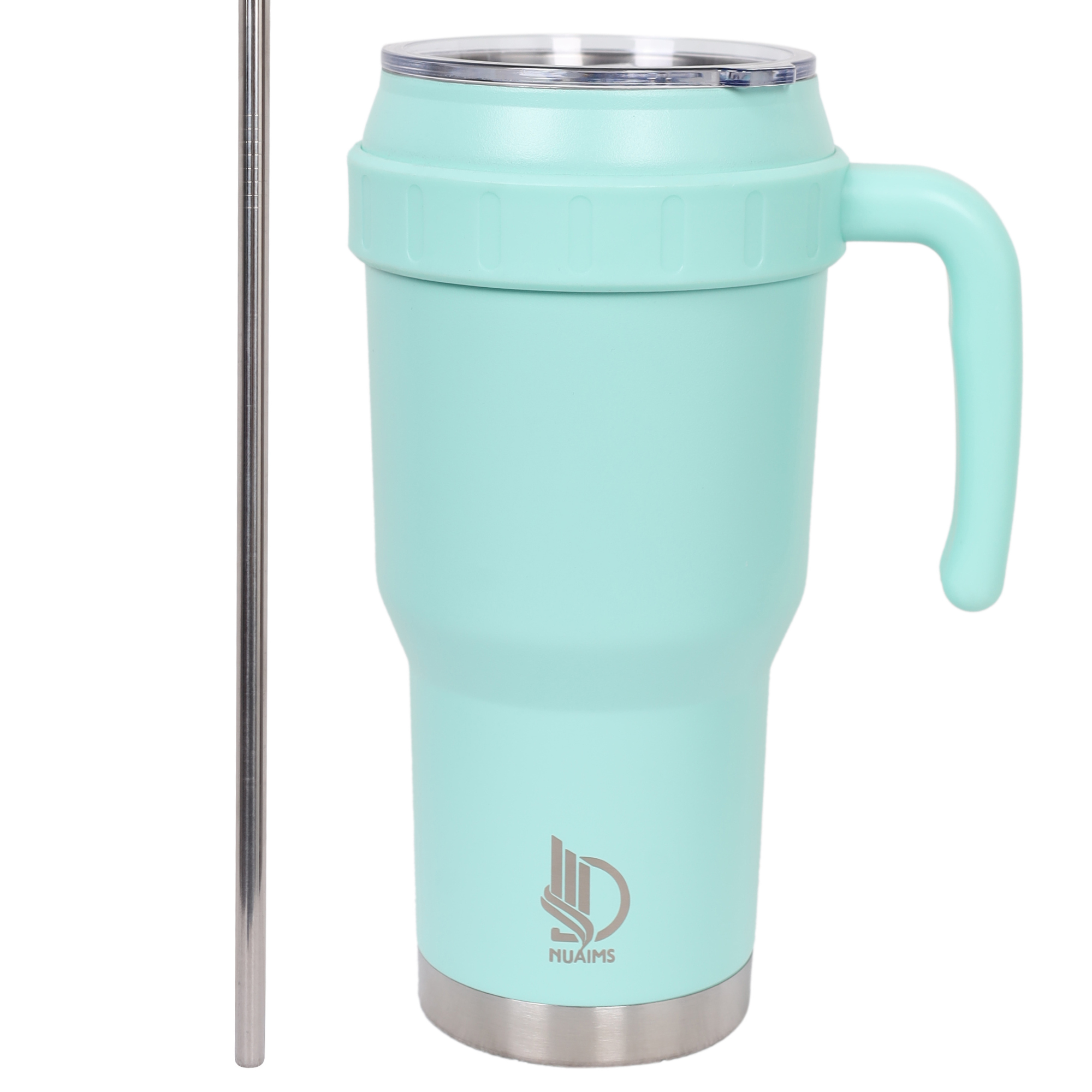
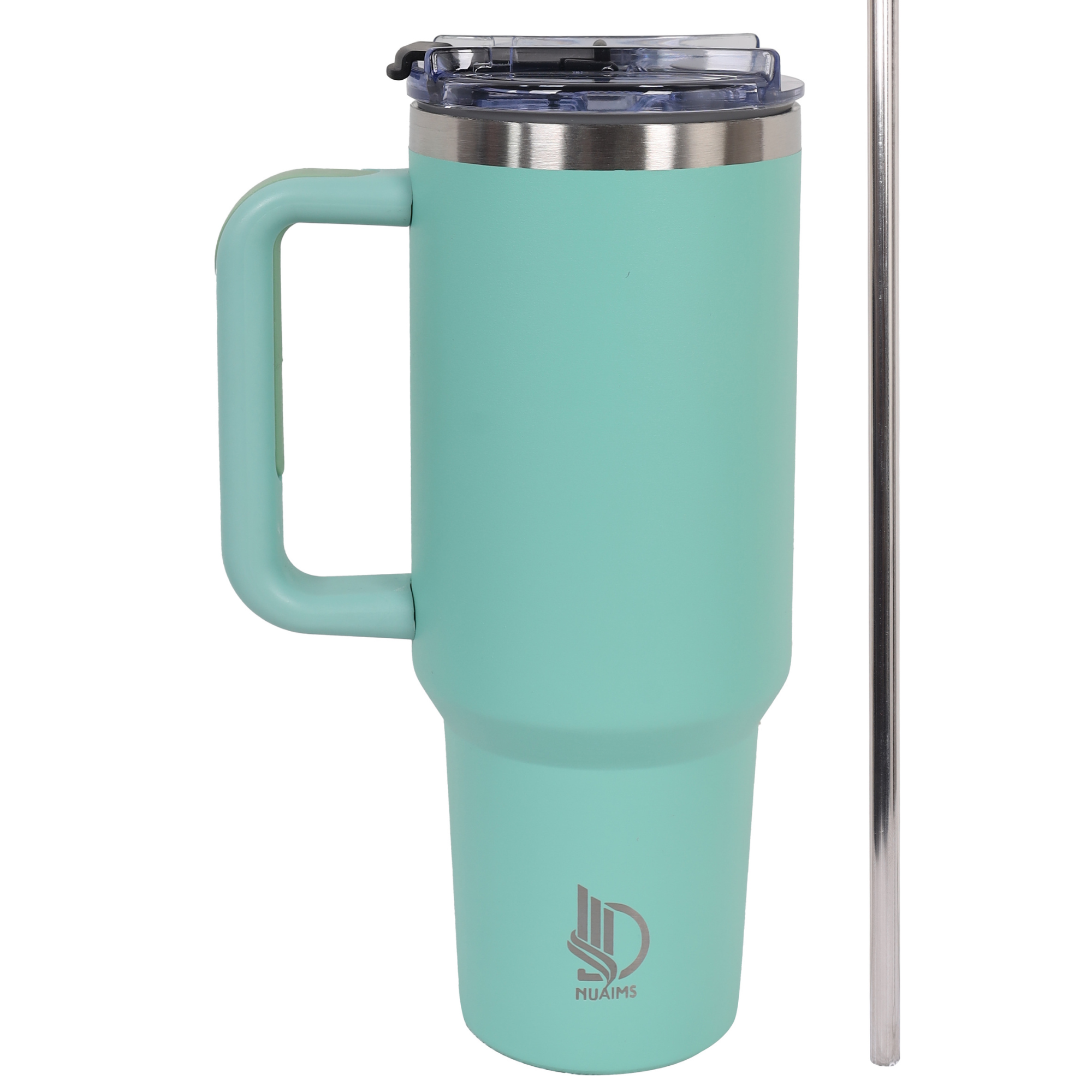
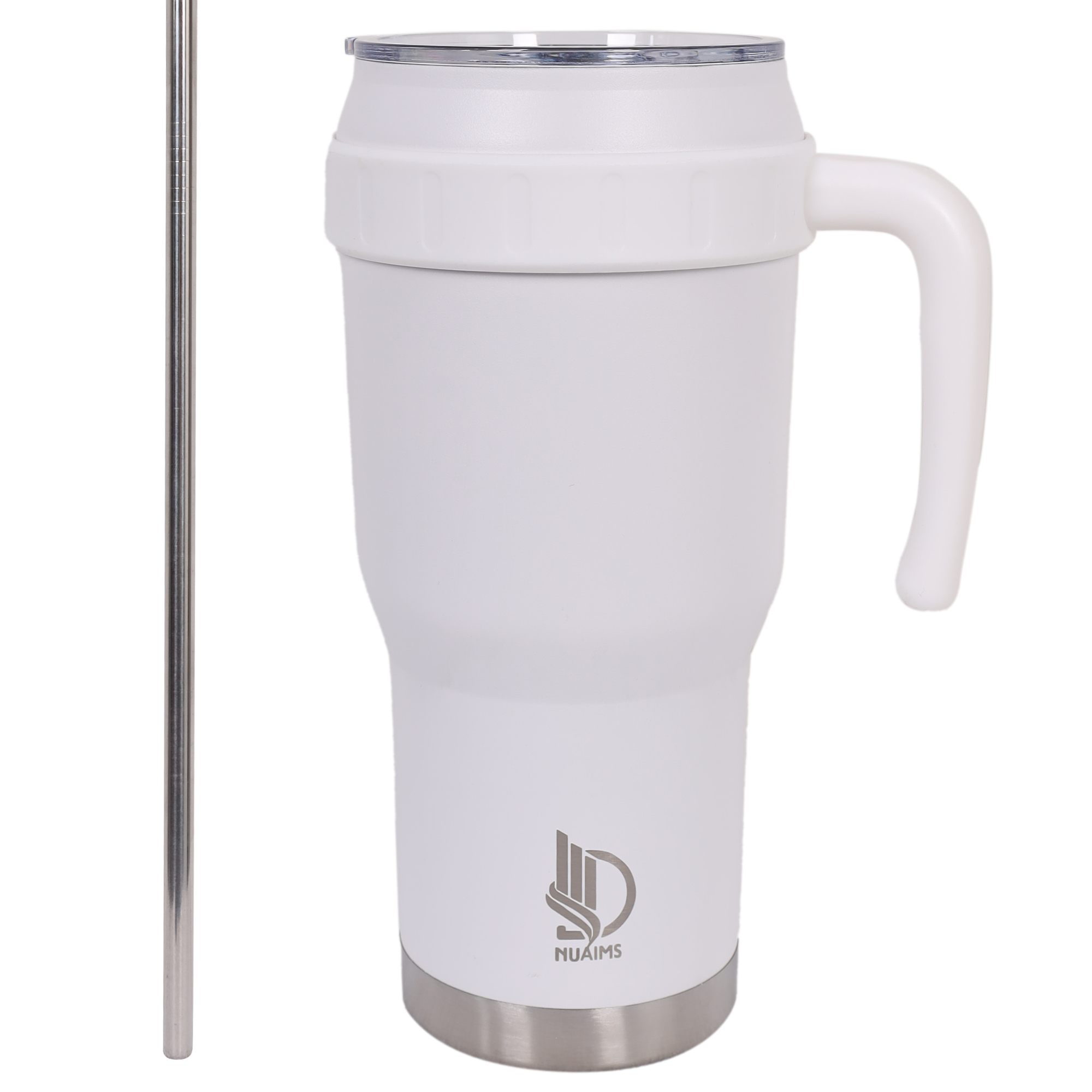
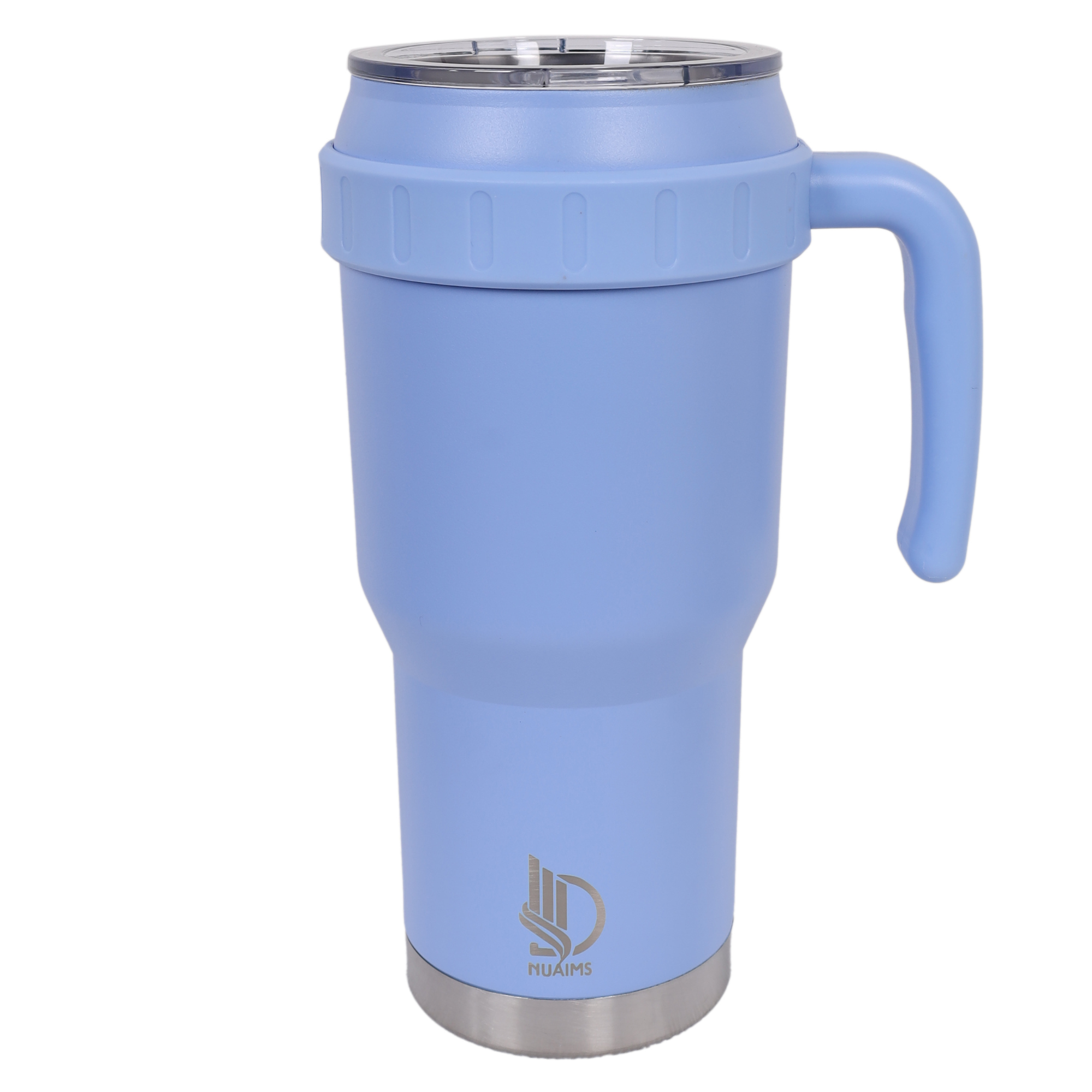
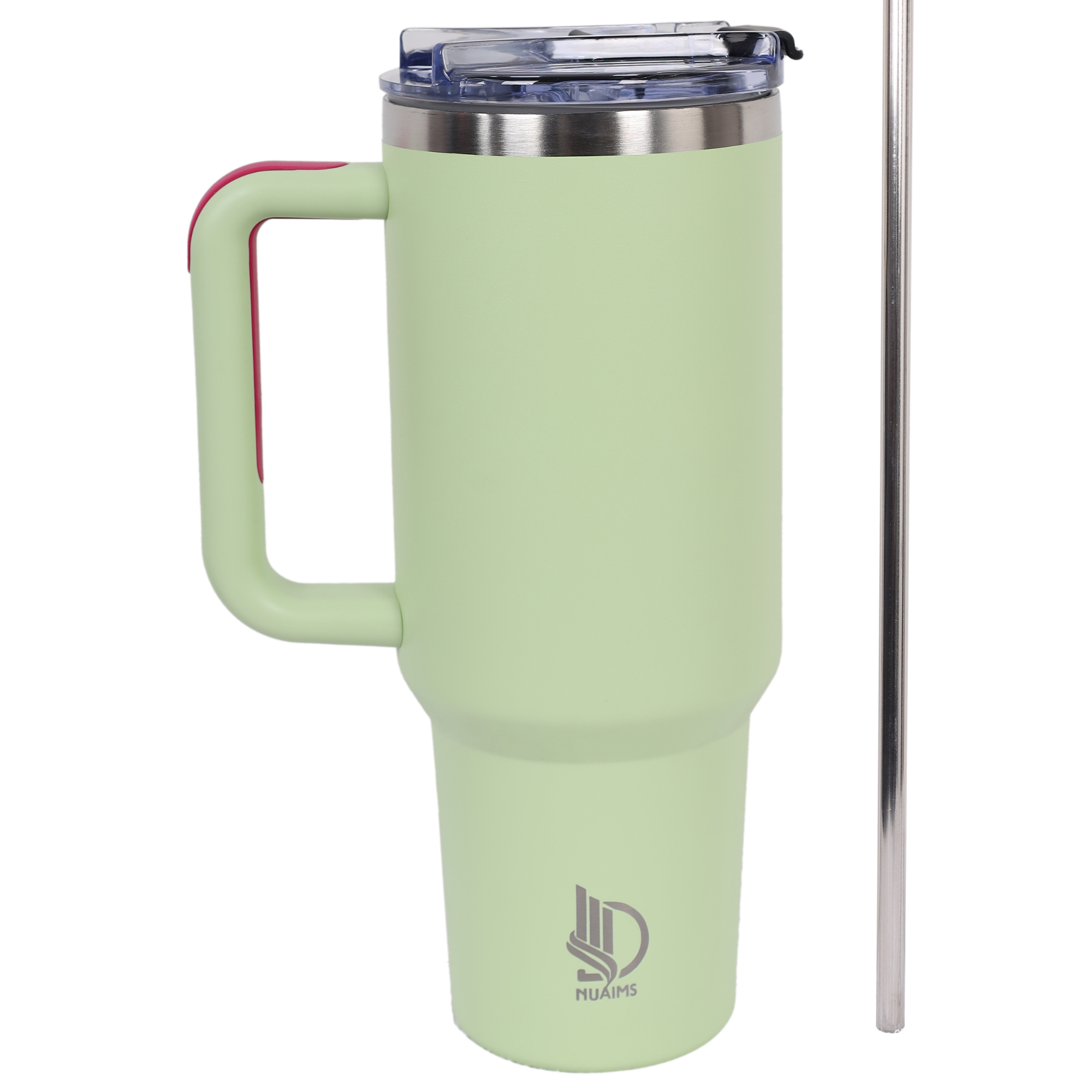
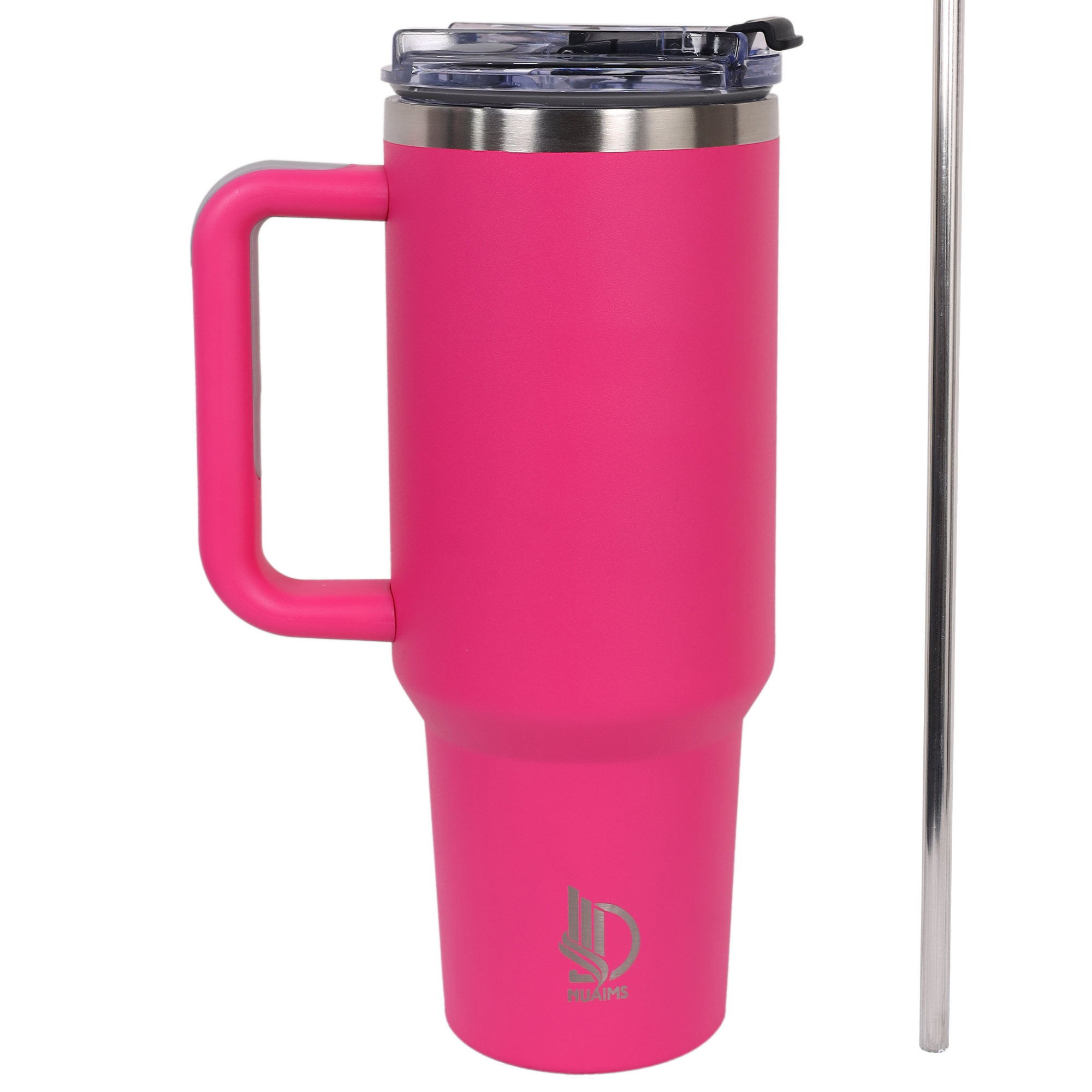
CHECK OUR LATEST TUMBLERS
Discover our latest tumbler bottles. Keep your drinks hot or cold for hours with sleek and durable designs.
What to Look for When Choosing a Bottle
Not all bottles claiming to be 'safe' actually meet rigorous health standards. Here's what certifications and features truly matter when selecting the healthiest water bottle for your daily hydration.
BPA-Free Certification: Ensure the entire bottle, including lid and gaskets, is certified BPA-free
Food-Grade Materials: Look for 18/8 or 304 stainless steel designation, the standard for food contact
FDA Approval: Materials should meet FDA food safety requirements for beverage containers
Easy Disassembly: All parts should be removable for thorough cleaning and sanitization
Warranty: Quality manufacturers stand behind their products with solid warranty coverage
Third-Party Testing: Independent lab testing for chemical migration and material safety
Comparing Water Bottle Materials
Let's break down the most common water bottle materials and examine their safety profiles to help you make an informed choice.
Plastic Bottles: Convenient but Concerning
While lightweight and inexpensive, plastic bottles raise serious health concerns. Even 'BPA-free' plastics often contain substitute chemicals like BPS or BPF that may pose similar risks. Plastic degrades with repeated use and washing, creating microscopic cracks where bacteria thrive. When exposed to heat or sunlight—common in UAE—plastics can leach chemicals into your beverages. Environmental impact is another major concern, as plastic bottles contribute to massive pollution problems.
Aluminum Bottles: Better but Not Perfect
Aluminum bottles are lighter than stainless steel and don't contain BPA. However, aluminum itself can leach into acidic beverages, so these bottles require an interior epoxy resin lining. The problem? These linings can chip or degrade, potentially exposing you to both aluminum and the chemicals in the lining itself. They're also prone to dents and damage that can compromise the protective liner.
Stainless Steel: The Gold Standard
Food-grade 18/8 stainless steel is the clear winner for health-conscious consumers. It's completely non-reactive and inert, meaning zero chemical leaching regardless of beverage type or temperature. It's naturally antimicrobial, extremely durable, easy to clean, and requires no interior lining. Stainless steel bottles last for decades, making them the most economical and eco-friendly choice long-term. This is why Nuaims Evergreen exclusively uses premium 18/8 stainless steel.
What Makes a Water Bottle Safe and Healthy?
Understanding the key factors that determine water bottle safety will help you make the healthiest choice for you and your family.
Material Safety: The Foundation of Health
Why 18/8 Food-Grade Stainless Steel Wins
The material your bottle is made from is the single most important factor in determining its safety and health impact.
Premium 18/8 food-grade stainless steel (also known as 304 stainless steel) is widely recognized by health experts as the safest material for beverage containers. The '18/8' designation means it contains 18% chromium and 8% nickel, making it highly resistant to corrosion and completely inert. This means absolutely no chemicals, flavors, or metallic tastes will ever leach into your drinks, regardless of temperature or acidity. Unlike plastic bottles that degrade over time and aluminum bottles that require potentially harmful interior linings, stainless steel remains stable and safe for decades. It's the same material used in surgical instruments and food processing equipment—trusted by medical and food safety professionals worldwide.
Temperature Control for Safety
Keep Beverages in the Safe Zone
Proper temperature retention isn't just about convenience—it's a critical safety feature that prevents bacterial growth and chemical leaching.
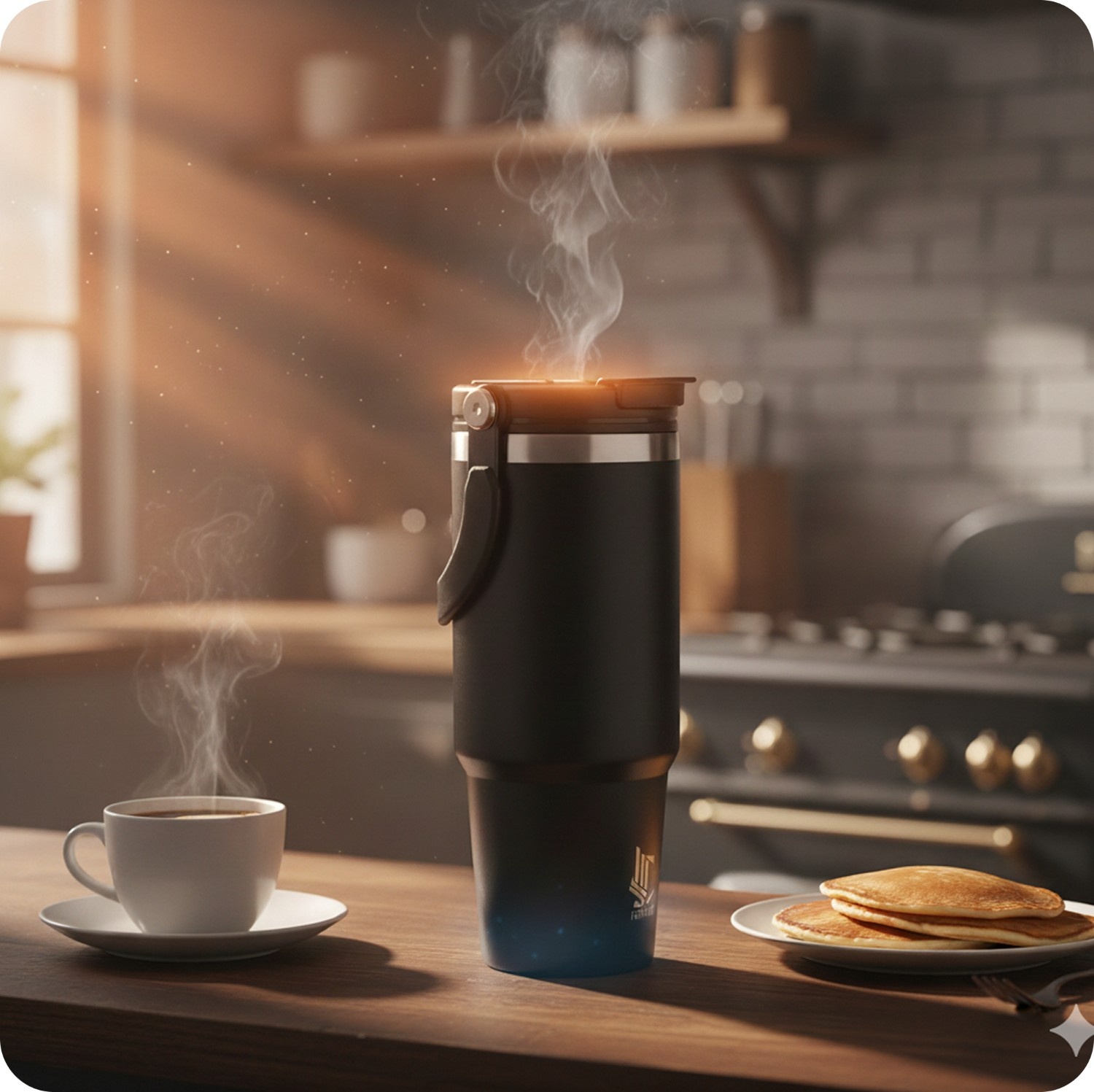
Bacteria thrive in the 'danger zone' between 40°F and 140°F (4°C to 60°C). A quality insulated bottle keeps cold drinks cold and hot drinks hot, preventing them from lingering in this temperature range where harmful bacteria can multiply rapidly. Additionally, when water sits in plastic bottles at warm temperatures, chemical migration increases significantly. Our double-wall vacuum insulation keeps your beverages at safe temperatures for extended periods, protecting you from both bacterial contamination and chemical exposure.
- Prevents Bacterial Multiplication
- No Heat-Induced Chemical Release
- Maintains Drink Integrity & Freshness
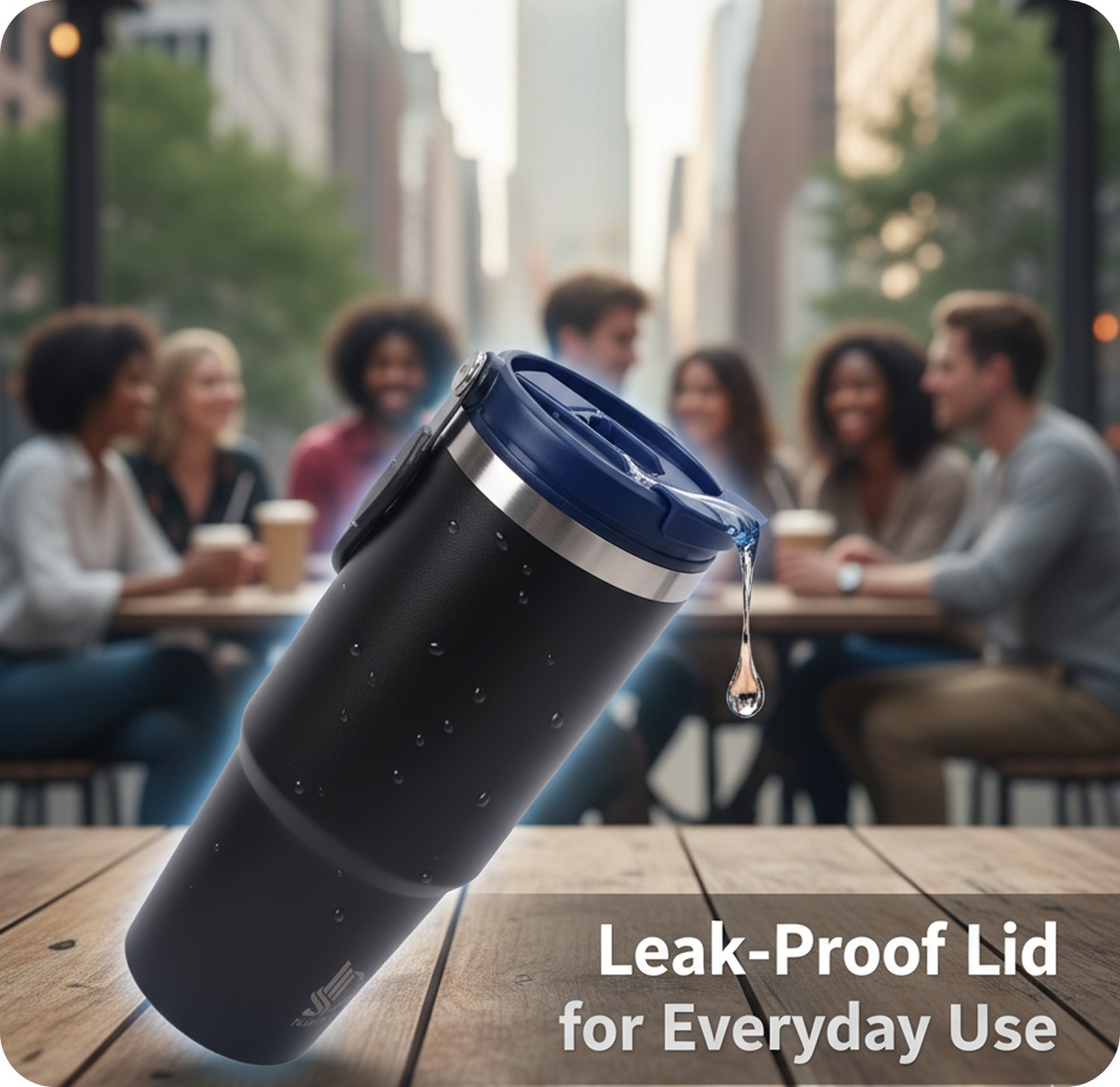
Easy to Clean = Healthier Long-Term
Hygiene That Lasts
A bottle that's difficult to clean becomes a breeding ground for bacteria, mold, and unpleasant odors—no matter how safe the material.
The smooth, non-porous interior of stainless steel doesn't harbor bacteria or retain odors like plastic does. Plastic bottles develop scratches and tiny crevices where bacteria hide, making them nearly impossible to fully sanitize even with thorough washing. Our tumblers feature a wide opening that allows you to easily reach every corner with a brush, and they're dishwasher safe for convenient, thorough cleaning. This design ensures that your bottle remains as hygienic on day 1,000 as it was on day one.
- Wide Mouth for Easy Access
- Dishwasher Safe Components
- Non-Porous Surface Resists Buildup
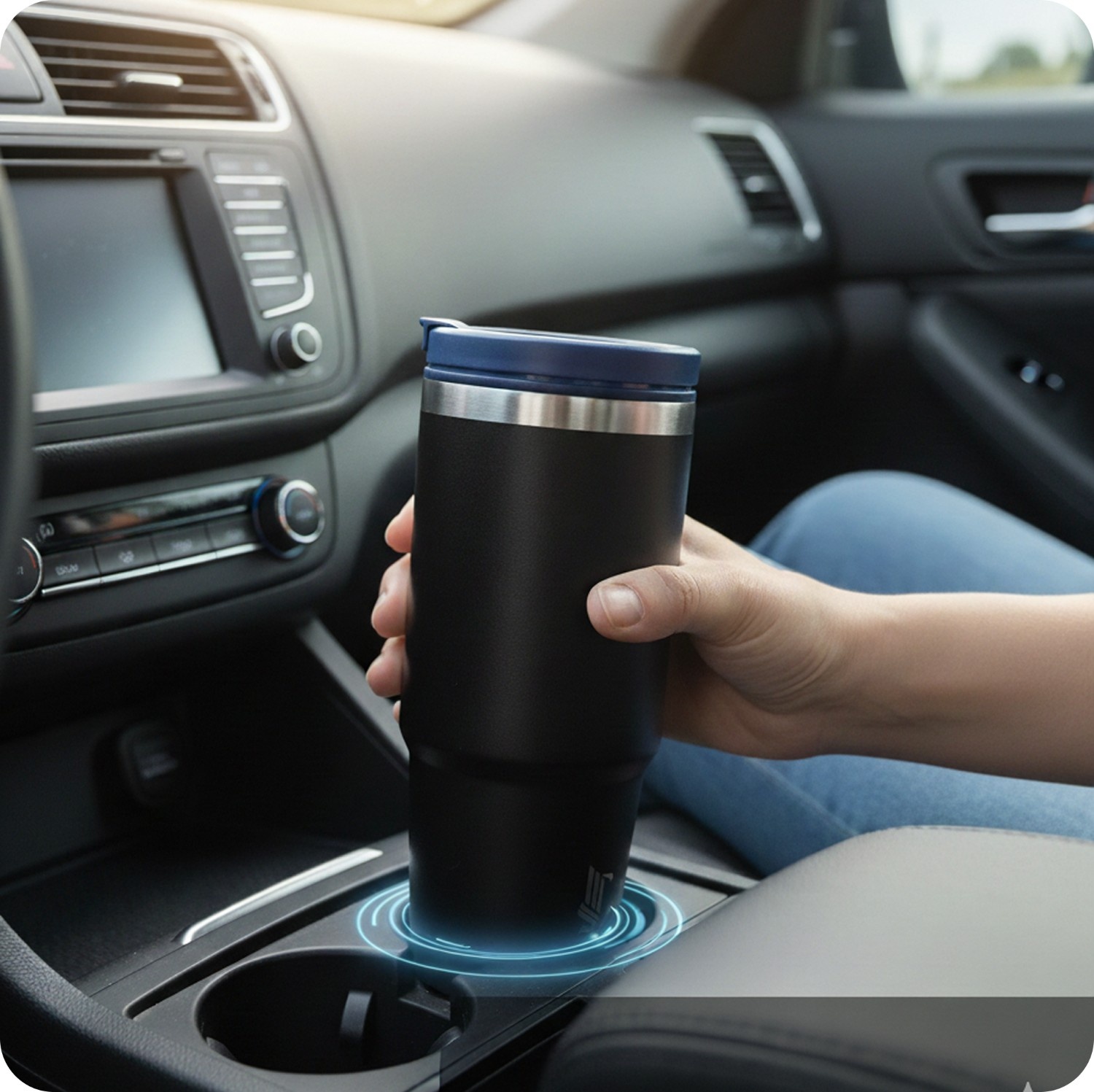
Ready to make the switch to safer hydration?
Get Your Healthy Bottle Today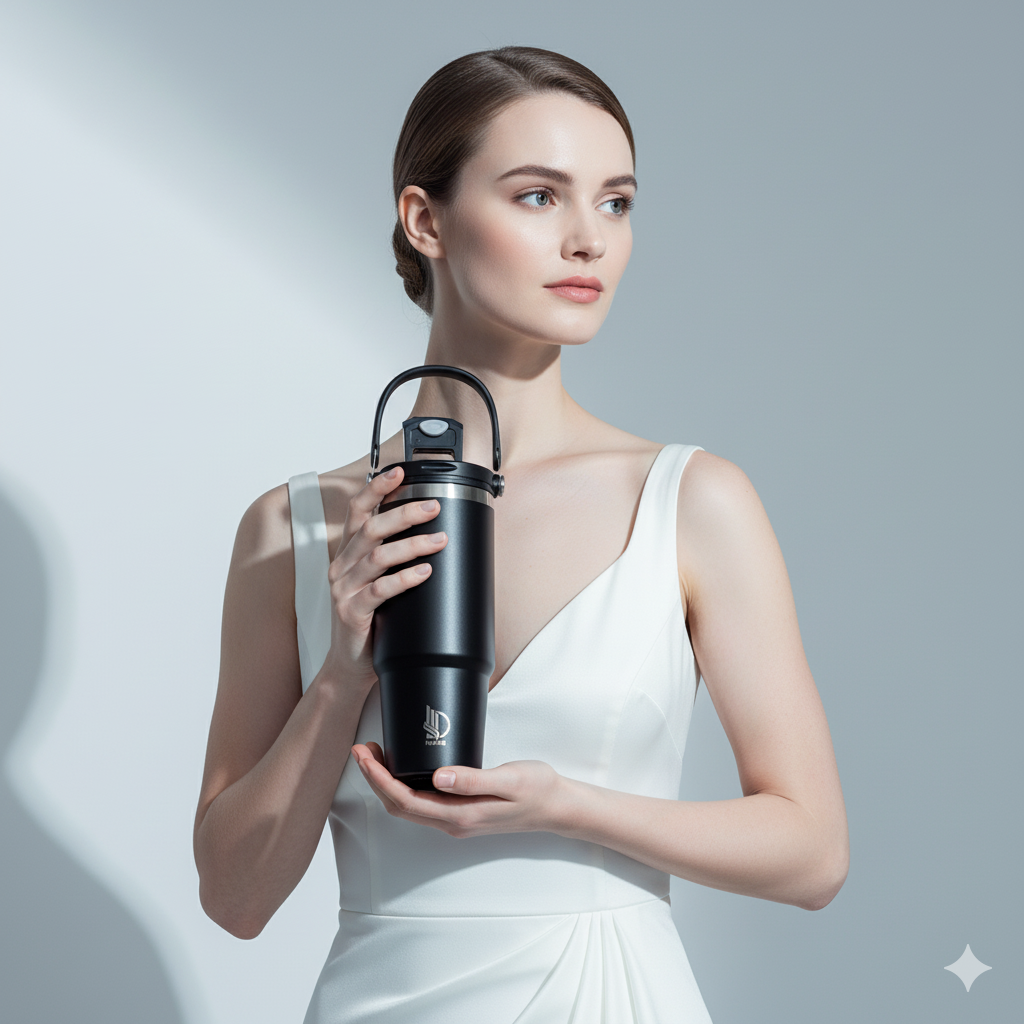
STAY HYDRATED. STAY STYLISH.
Our premium tumblers keep your drinks at the perfect temperature all day long. Whether you're at work, at the gym, or on the go, experience the perfect sip every time with our leak-proof and durable designs.
Frequently Asked Questions
Everything you need to know about our products. Can’t find the answer you’re looking for? Feel free to contact us.
Stainless steel (particularly 18/8 food-grade) is completely non-reactive and inert, meaning it will never leach chemicals into your drinks regardless of temperature or beverage acidity. Plastic bottles, even those labeled 'BPA-free,' can release harmful chemicals like phthalates, BPS, and microplastics into your water, especially when exposed to heat or repeated use.
Multiple studies have shown that plastic bottles left in hot cars or exposed to sunlight show increased chemical migration into the water. In the UAE's extreme heat, this risk is amplified. Stainless steel eliminates this concern entirely while also resisting bacterial growth and maintaining beverage purity.
When manufacturers removed BPA from plastics due to health concerns, many replaced it with similar chemicals like BPS (Bisphenol S) or BPF (Bisphenol F). Unfortunately, emerging research suggests these substitutes may pose similar health risks as BPA, including endocrine disruption.
A 'BPA-free' label only guarantees that specific chemical isn't present—it doesn't mean the product is free from all potentially harmful substances. This is why health experts increasingly recommend avoiding plastic altogether and choosing materials like stainless steel that are inherently free from all bisphenols and phthalates.
Studies have found that unwashed reusable water bottles can contain more bacteria than a pet's water bowl or even a toilet seat! When you drink from a bottle, bacteria from your mouth transfer to the rim and interior. In warm conditions, these bacteria multiply rapidly, especially in plastic bottles with scratches and crevices where microorganisms hide.
Common contaminants found in dirty water bottles include E. coli, Staphylococcus, and various molds, which can cause gastrointestinal issues, infections, and allergic reactions. This is why choosing a bottle that's easy to clean and naturally resistant to bacterial growth—like stainless steel—is so important. We recommend washing your bottle daily with hot, soapy water and letting it air dry completely.
A metallic taste usually comes from one of two issues: aluminum bottles where the interior lining has worn away, allowing the reactive aluminum to contact your beverage, or low-grade stainless steel that contains impurities. Premium 18/8 food-grade stainless steel is completely taste-neutral because it's non-reactive.
At Nuaims Evergreen, we use only certified 18/8 stainless steel throughout our bottles—no interior linings needed, no coatings to wear off, and absolutely no metallic taste. Your water will taste exactly as pure as when you poured it, whether it's been in the bottle for 10 minutes or 10 hours. If you experience any taste from a stainless steel bottle, it typically means the bottle isn't true food-grade quality.
The UAE's extreme temperatures present unique challenges for hydration. Plastic bottles can reach dangerous temperatures when left in cars or outdoors, accelerating chemical migration into your water. Single-wall metal bottles quickly adopt the ambient temperature, giving you hot water when you want cold.
The ideal solution is a double-wall vacuum-insulated stainless steel bottle that maintains your water's temperature regardless of external conditions. Our premium tumblers keep drinks ice-cold for over 24 hours, even in a hot car on Sheikh Zayed Road. The vacuum insulation creates a thermal barrier that also prevents the exterior from sweating or becoming too hot to hold. This isn't just about comfort—it's about safety, ensuring your water remains refreshing and free from heat-induced contamination all day long.
The replacement timeline depends entirely on material. Plastic bottles degrade with use, developing scratches, cloudiness, and persistent odors that indicate bacterial colonization and material breakdown. Most experts recommend replacing plastic bottles every 6-12 months, making them costly over time despite the low initial price.
Stainless steel bottles, however, don't degrade. The material remains stable indefinitely, doesn't scratch easily, and won't harbor bacteria in the same way. A high-quality stainless steel bottle is a one-time investment that can serve you for decades. We've heard from customers still using their Nuaims Evergreen bottles after years of daily use, with the bottles looking and performing like new. This durability makes stainless steel not only healthier but also more economical and environmentally sustainable.
OUR PRODUCTS
Discover our complete range of premium tumbler bottles designed for eco-conscious hydration on the go.
Shop Tumbler BottlesFIND A RETAILER
Nuaims Evergreen tumbler bottles are available to purchase online at www.nuaimsevergreen.com and in-store at retailers across the United Arab Emirates. Contact your preferred retailer to confirm product availability before visiting.
Find a RetailerCONTACT US
Get in touch with us at [email protected] to ask a question or share your experience with our tumbler bottles.
Contact Us